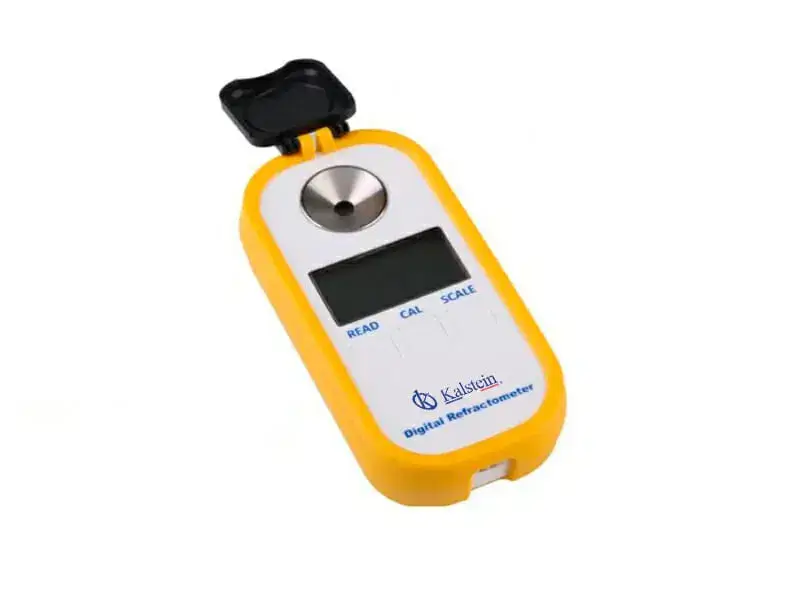
How to Implement Predictive Maintenance and Calibration for Digital BRIX+ Salinity Refractometers
Maintaining the accuracy of laboratory instruments is crucial for achieving reliable results. Digital BRIX+ Salinity Refractometers, such as the YR05961, YR05962, YR05963, YR05964, and YR05965, play a vital role in measuring sugar concentrations and salinity levels in various solutions. Implementing a predictive maintenance strategy, coupled with regular calibration, not only enhances performance but also extends the lifespan of these devices.
Understanding Predictive Maintenance
Predictive maintenance is a proactive approach that utilizes data analysis tools and techniques to predict equipment failures before they occur. This strategy relies on various indicators, including the operating conditions and historical performance data of equipment.
For refractometers, predictive maintenance involves monitoring parameters such as temperature variations and usage frequency. This allows for timely interventions, ensuring that instruments like the YR05961 remain accurate over time. By focusing on predictive maintenance, laboratories can minimize downtime and reduce the risk of inaccurate readings due to equipment failure.
Calibration Intervals for Refractometers
Calibration is the process of adjusting the output or indication of a measuring instrument to agree with an accepted standard. For Digital BRIX+ Salinity Refractometers, calibration should be performed regularly to ensure precise measurements.
Typically, the recommended calibration interval is every three months; however, this can vary based on usage and specific laboratory conditions. For instance, the YR05962 model, which measures salinity levels, might require more frequent calibration in high-use environments. Establishing a calibration schedule helps maintain compliance with quality standards and ensures that laboratory results are reliable.
Temperature Compensation in Digital Refractometers
Many Digital BRIX+ Salinity Refractometers, including the YR05961, come equipped with Automatic Temperature Compensation (ATC). This feature allows for accurate readings regardless of temperature fluctuations, which is particularly important when working with varying liquid samples.
Understanding how ATC works can aid in creating a maintenance schedule. Regular checks and calibrations should include validating the ATC function to ensure that the refractometer provides accurate readings across temperature ranges. This aspect is vital for laboratories that conduct experiments in environments with fluctuating temperatures.
Key Performance Indicators for Predictive Maintenance
Establishing Key Performance Indicators (KPIs) is crucial for any predictive maintenance program. For Digital BRIX+ Salinity Refractometers, relevant KPIs might include Mean Time Between Failures (MTBF) and Mean Time to Repair (MTTR).
Monitoring these KPIs helps laboratories evaluate the effectiveness of their maintenance strategies. For example, if the MTTR of the YR05963 model is consistently high, it may indicate the need for a reassessment of maintenance procedures or additional training for laboratory personnel.
Common Calibration Standards
Calibration of refractometers should adhere to recognized standards to ensure accuracy and reliability. The use of standard solutions, such as sucrose solutions for Brix measurements, is essential for maintaining calibration integrity.
| Model Code | Calibration Standard | Recommended Frequency |
|---|---|---|
| YR05961 | Sucrose Solution | Every 3 months |
| YR05962 | NaCl Solution | Every 3 months |
| YR05963 | NaCl Solution | Every 3 months |
| YR05964 | Density Standard | Every 6 months |
| YR05965 | Refractive Index Standard | Every 6 months |
Comparison of Available Models
| Model Code | Measurement Range | Min. Division | Accuracy | Best For |
|---|---|---|---|---|
| YR05961 | 0-50% Brix | 0.10% | ±0.2% | Fruit Juices and Syrups |
| YR05962 | 0-280‰ Salinity | 0.10% | ±0.2% | Marine Water Testing |
| YR05963 | 0-280‰ Salinity | 1‰ | ±2‰ | General Salinity Testing |
| YR05964 | 1.000-1.217 Density | 0.001 | ±0.002 | Density Measurements |
| YR05965 | 1.3330-1.4200nD | 0.0001nD | ±0.0003nD | Refractive Index Testing |
Common Mistakes and How to Avoid Them
Laboratories often make several common mistakes in the calibration and maintenance of Digital BRIX+ Salinity Refractometers. One frequent error is neglecting the regular calibration schedule, which can lead to inaccurate measurements. To avoid this, laboratories should establish a strict calendar for calibration.
Another mistake is using incorrect standard solutions for calibration. It is essential to use the appropriate solutions, such as sucrose or sodium chloride, depending on the model. Adhering to standard protocols will ensure accuracy and reliability in results.
Frequently Asked Questions
What is the recommended calibration frequency for Digital BRIX+ Salinity Refractometers?
The recommended calibration frequency for Digital BRIX+ Salinity Refractometers, such as the YR05961 and YR05962, is typically every three months. Regular calibration ensures accurate measurements and compliance with laboratory standards.
How does temperature affect the calibration of a Digital BRIX Refractometer?
Temperature can significantly affect the readings of a Digital BRIX Refractometer. Models like the YR05961 feature Automatic Temperature Compensation (ATC), which adjusts readings based on temperature variations, ensuring accuracy across different conditions.
What performance indicators should be monitored for predictive maintenance of refractometers?
Key performance indicators for predictive maintenance include Mean Time Between Failures (MTBF) and Mean Time to Repair (MTTR). Monitoring these can help laboratories like yours assess the effectiveness of maintenance strategies for models such as the YR05963.
Which standard solutions are best for calibrating Digital BRIX+ Salinity Refractometers?
Best practices for calibrating Digital BRIX+ Salinity Refractometers recommend using standard solutions such as sucrose for Brix measurements and sodium chloride for salinity. Proper calibration standards ensure precision for models like the YR05962.
How can predictive maintenance extend the life of laboratory refractometers?
Predictive maintenance can extend the lifespan of laboratory refractometers by anticipating failures and mitigating risks before they occur. Regular monitoring and maintenance of models like the YR05964 can prevent costly downtime and repairs.
What are the benefits of Automatic Temperature Compensation in refractometers?
Automatic Temperature Compensation (ATC) helps refractometers provide accurate results despite temperature changes, essential for models like the YR05961. This feature reduces the need for manual adjustments and enhances measurement reliability.
How often should the ATC function be checked on a refractometer?
The ATC function should be checked during regular calibration intervals, typically every three months. Ensuring that the ATC works correctly helps maintain the accuracy of refractometers such as the YR05963.
What maintenance practices should be followed to ensure accurate readings in refractometers?
To ensure accurate readings in refractometers, follow best practices such as regular calibration, using appropriate standard solutions, and monitoring performance indicators. Implementing these practices for models like the YR05965 can enhance accuracy and reliability.
If you are looking for a fusion of innovation and quality, you have come to the right place. At Kalstein, we offer you the luxury of exploring our exclusive catalog of laboratory equipment. We manufacture every device to the highest standards of excellence. Our intuitive and seamless online purchasing channels are designed for your convenience, securing the most competitive prices. Hesitate no longer — we bring science to life, it is time to become part of our community.