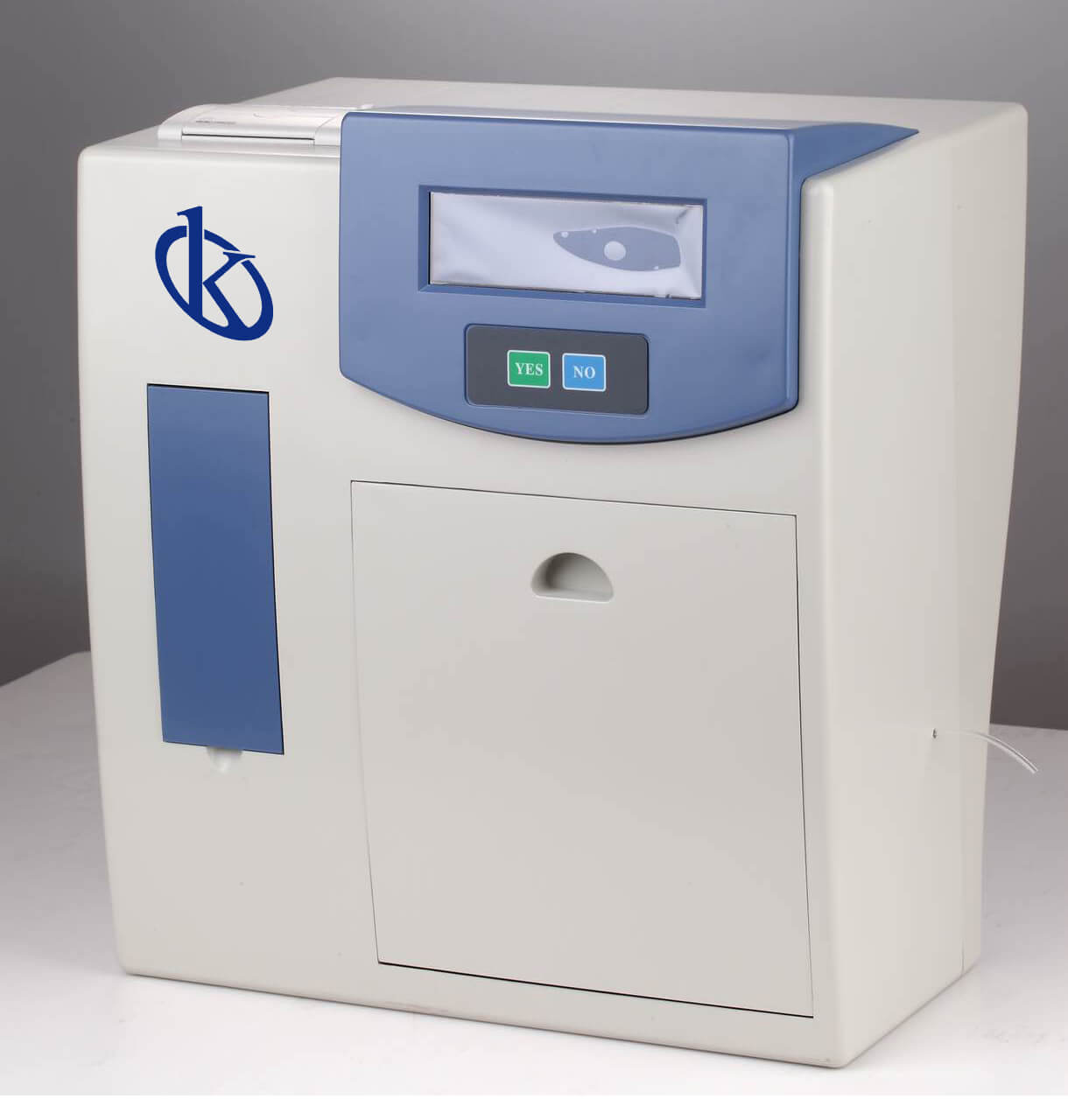
How to Implement Predictive Maintenance and Periodic Calibration in Electrolyte Analyzers
Electrolyte analyzers play a critical role in laboratory diagnostics by providing accurate measurements of electrolyte concentrations in various samples. The importance of these devices cannot be overstated, particularly in clinical environments where accurate and timely measurements are essential for patient care. This article focuses on the significance of predictive maintenance and periodic calibration of electrolyte analyzers to enhance operational stability and ensure accurate results.
Understanding Predictive Maintenance and Its Importance
Predictive maintenance refers to the proactive approach of using data and analytics to predict when equipment failure might occur. This strategy is vital in laboratory settings, where the reliability of equipment directly affects the quality of test results. By implementing predictive maintenance, laboratories can avoid the costs associated with unexpected breakdowns, minimize downtime, and extend the lifespan of their analyzers.
The Role of Periodic Calibration in Electrolyte Analyzers
Calibration is the process of verifying that an instrument's measurements are accurate by comparing them with a standard. For electrolyte analyzers, periodic calibration is essential to ensure consistent performance and reliability. Calibration helps to adjust the operational parameters of the analyzer, ensuring that it meets the required accuracy for clinical diagnoses.
Key Features of Electrolyte Analyzers for Predictive Maintenance
When considering predictive maintenance strategies, it is crucial to select electrolyte analyzers equipped with features that support this approach. Key features include:
- Real-Time Diagnostics: Many modern electrolyte analyzers, such as the YR05169, come with built-in real-time diagnostics that allow for continuous monitoring of the device’s performance and alert users to any anomalies.
- Automatic Calibration: The YR05169 also features automatic two-point calibration, which adjusts the instrument to maintain accuracy without requiring extensive manual input, thus facilitating easier maintenance.
- Data Logging: Analyzers like the YR06391 provide data logging capabilities that help track performance over time, making it easier to identify trends that may indicate the need for maintenance or calibration.
Calibration Intervals for Electrolyte Analyzers
Determining the appropriate calibration intervals is essential for maintaining the accuracy of electrolyte analyzers. Recommendations typically vary based on usage frequency, but a common guideline is to calibrate every few weeks or before significant testing events. The following table outlines suggested calibration intervals for various models:
| Model | Recommended Calibration Interval | Notes |
|---|---|---|
| YR05169 | Every 2 weeks | Automatic calibration features reduce user burden. |
| YR06391 | Once a month | Monitor regular usage through data logging. |
| YR06392 | Every 3 weeks | Ensure compliance with clinical standards. |
| YR06393 | Every 4 weeks | Adjust based on sample variability. |
| YR06394 | Every 2 months | Used in low-throughput environments. |
| YR06395 | Every month | High reliability in various sample types. |
Implementing a Predictive Maintenance Strategy
Adopting a predictive maintenance strategy involves several critical steps:
- Data Collection: Gather historical performance data from the analyzers to identify patterns and trends that indicate potential failures.
- Analysis: Use statistical tools and algorithms to analyze the data collected, predicting when maintenance actions should be taken.
- Action Plan: Develop an action plan that outlines the specific maintenance tasks to be performed based on the predictive analysis.
- Training: Train laboratory staff to recognize the importance of predictive maintenance and how to respond to alerts from the analyzer.
Comparison of Available Models
The following table compares various electrolyte analyzers based on key features related to predictive maintenance and calibration:
| Model | Calibration Method | Real-Time Diagnostics | Data Logging | Best For |
|---|---|---|---|---|
| YR05169 | Automatic Two-Point | Yes | Yes | High-Volume Labs |
| YR06391 | Manual Calibration | No | Yes | Cost-Conscious Labs |
| YR06392 | Automatic | Yes | No | General Use |
| YR06393 | Manual | No | Yes | Clinical Settings |
| YR06394 | Automatic | No | No | Low-Throughput Labs |
| YR06395 | Automatic | Yes | Yes | Research Facilities |
Common Mistakes and How to Avoid Them
When implementing predictive maintenance and calibration, laboratories may encounter several common mistakes:
- Neglecting Data Analysis: Failing to properly analyze performance data can lead to missed opportunities for proactive maintenance.
- Infrequent Calibration: Skipping recommended calibration intervals can result in inaccurate results and potential non-compliance with standards.
- Lack of Training: Insufficient training for staff on the importance of maintenance protocols can undermine the effectiveness of the system.
Frequently Asked Questions
How often should electrolyte analyzers be calibrated to maintain accuracy?
Electrolyte analyzers should typically be calibrated every two weeks to a month, depending on the model and usage frequency. For example, the YR05169 benefits from automatic calibration features, which can ease the burden on laboratory staff.
What are the benefits of predictive maintenance for electrolyte analyzers?
Predictive maintenance offers several benefits, including reduced downtime, lower maintenance costs, and prolonged equipment lifespan. For instance, the YR06391 provides data logging capabilities that support effective predictive maintenance strategies.
Which electrolyte analyzer offers automatic calibration for ease of use?
The YR05169 electrolyte analyzer is equipped with automatic two-point calibration, making it ideal for laboratories that require consistent accuracy with minimal manual intervention.
How does data logging enhance the maintenance of electrolyte analyzers?
Data logging allows laboratories to track the performance history of their analyzers, such as the YR06391, helping to identify patterns that may indicate when maintenance is necessary, thus supporting predictive strategies.
What should laboratories consider when choosing an electrolyte analyzer?
Laboratories should consider factors such as calibration frequency, real-time diagnostics capabilities, and overall reliability. Models like the YR05169 and YR06395 offer features that enhance operational efficiency.
How can ineffective calibration practices impact laboratory results?
Ineffective calibration can lead to inaccurate test results, potentially impacting patient care. Ensuring regular calibration, such as with the YR06393, is essential to maintain compliance with clinical standards.
What is the expected lifespan of electrolyte analyzers with proper maintenance?
With proper maintenance, including regular predictive checks and calibration, electrolyte analyzers can have a lifespan of 5-10 years. Models like the YR06394 are designed for durability to withstand frequent use.
If you require a fusion of innovation and quality, you have come to the right place. At Kalstein, we offer you the luxury of exploring our exclusive catalog of laboratory equipment. We manufacture every device to the highest standards of excellence. Our intuitive and seamless online purchasing channels are designed for your convenience, securing the most competitive prices. Hesitate no longer — we bring science to life, it is time to become part of our community.