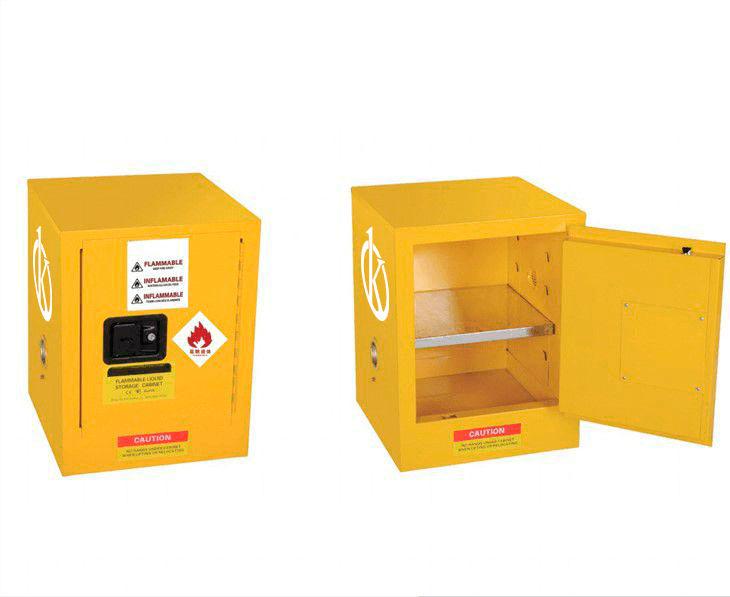
Predictive Maintenance and Recommended Calibration for Explosion-Proof Cabinets
In laboratory environments, the safety of hazardous materials is paramount. Explosion-proof cabinets play a critical role in securing flammable and corrosive substances. However, the effectiveness of these cabinets hinges on proper maintenance and calibration. Predictive maintenance, alongside routine calibration, ensures that these cabinets perform optimally, safeguarding both personnel and valuable materials.
The Importance of Predictive Maintenance for Explosion-Proof Cabinets
Predictive maintenance involves anticipating equipment failures before they occur. For explosion-proof cabinets, this means regularly assessing the cabinet's components and performance metrics. By employing predictive strategies, labs can minimize downtime, ensure compliance with safety regulations, and protect sensitive materials. Key performance indicators (KPIs) such as mean time between failures (MTBF) and mean time to repair (MTTR) should be monitored to establish a proactive maintenance routine.
Calibration Intervals for Explosion-Proof Cabinets
Calibration of explosion-proof cabinets is essential to maintain their integrity. Calibrations should be conducted at intervals dictated by usage frequency, regulatory standards, and specific manufacturer recommendations. Regular calibration checks ensure that locking mechanisms, seals, and the overall structure comply with safety standards. Typically, a bi-annual calibration schedule is ideal for high-use labs.
Compliance with Safety Standards
Explosion-proof cabinets must comply with various safety standards, including OSHA regulations and NFPA guidelines. Calibration helps ensure that these cabinets meet the specifications required for safe storage of volatile chemicals. Documentation of calibration procedures is critical and should include details such as the date of calibration, results, and any corrective actions taken.
Comparison of Available Models
| Model Code | Capacity (Gallons) | Dimensions (H x W x D) | Price (USD) | Best For |
|---|---|---|---|---|
| YR05464-1 | 2-4 | 330 x 330 x 330 mm | 75.00 | Flammable Liquids |
| YR05464-2 | 2-4 | 330 x 330 x 330 mm | 75.00 | Corrosive Liquids |
| YR05465 | 2-4 | 330 x 330 x 330 mm | 107.00 | Combustible Liquids |
| YR05465-1 | 2-4 | 330 x 330 x 330 mm | 107.00 | Flammable Liquids |
| YR05465-2 | 2-4 | 330 x 330 x 330 mm | 107.00 | Corrosive Liquids |
Common Mistakes and How to Avoid Them
One common mistake is neglecting the maintenance schedule. Laboratories often underestimate the importance of regular checks, which can lead to catastrophic failures. It's vital to implement a clear maintenance protocol and ensure all staff are trained in recognizing signs of wear. Another mistake is improper documentation of calibrations - failure to log details can result in compliance issues during audits.
FAQs
What are the recommended calibration intervals for explosion-proof cabinets?
Typically, explosion-proof cabinets should be calibrated every six months to ensure compliance with safety regulations. Models like YR05464-1 benefit from regular checks to maintain safety standards.
How does predictive maintenance improve safety in laboratories?
Predictive maintenance allows labs to identify potential issues before they escalate, thereby enhancing safety. Regular assessments of models such as YR05465 can prevent failures and ensure compliance.
Which explosion-proof cabinet model is best for flammable liquids?
The YR05464-1 model is specifically designed for flammable liquids, offering a capacity of 2-4 gallons. Its robust design and safety features support compliance with necessary regulations.
What KPIs should laboratories track for explosion-proof cabinets?
Key performance indicators for explosion-proof cabinets include mean time between failures (MTBF) and mean time to repair (MTTR). Tracking these metrics for models like YR05465-1 enhances predictive maintenance efforts.
How can calibration logs assist in compliance audits?
Calibration logs provide a documented history of maintenance activities, demonstrating compliance with safety standards. Keeping detailed logs for models like YR05464-2 is crucial during audits.
What materials can be safely stored in explosion-proof cabinets?
Explosion-proof cabinets are designed for volatile substances including flammable, combustible, and corrosive liquids. Models such as YR05465-2 are well-suited for storing these materials safely.
How does regular maintenance affect the lifespan of explosion-proof cabinets?
Regular maintenance extends the lifespan of explosion-proof cabinets by preventing wear and potential failures. Implementing a strict maintenance schedule for models like YR05464-1 can lead to significant longevity.
What are the consequences of failing to calibrate explosion-proof cabinets?
Failure to calibrate explosion-proof cabinets can result in non-compliance with safety regulations, potentially leading to hazardous incidents. Regular calibration of models like YR05465 ensures safety and compliance.
If you are looking for a fusion of innovation and quality, you have come to the right place. At Kalstein, we offer you the luxury of exploring our exclusive catalog of laboratory equipment. We manufacture every device to the highest standards of excellence. Our intuitive and seamless online purchasing channels are designed for your convenience, securing the most competitive prices. Hesitate no longer — we bring science to life, it is time to become part of our community.