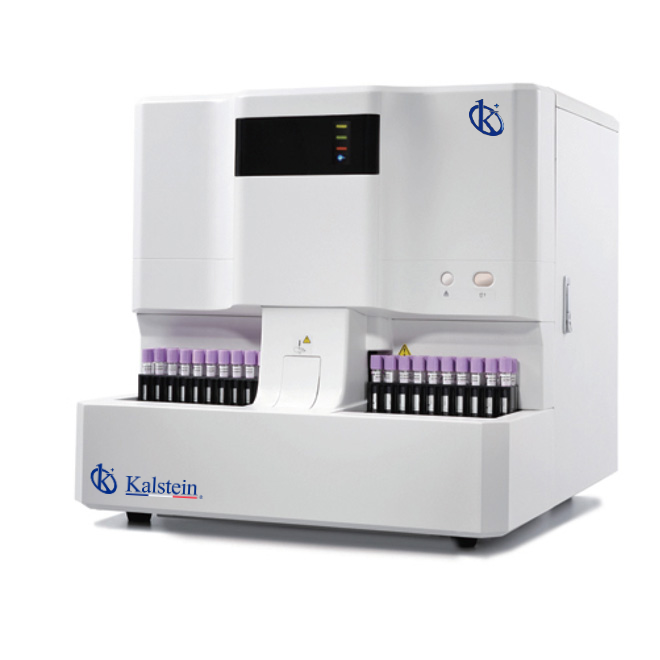
Predictive Maintenance and Recommended Calibration for Hematology Analyzers
In the realm of laboratory diagnostics, hematology analyzers play a pivotal role in ensuring accurate blood analysis. As labs aim for higher efficiency and reliability, the importance of predictive maintenance and regular calibration cannot be overstated. This article delves into how these practices enhance the performance of hematology analyzers, ensuring they meet the demands of modern laboratories.
Understanding the Role of Predictive Maintenance in Hematology Analyzers
Predictive maintenance is a proactive approach that involves monitoring the condition of laboratory equipment to predict when maintenance should be performed. This strategy helps in avoiding unexpected breakdowns, thereby ensuring continuous operation of hematology analyzers. Implementing predictive maintenance can significantly reduce downtime and extend the lifespan of the equipment.
For hematology analyzers, predictive maintenance may involve regular checks of critical parameters, such as the performance of the optical systems, reagent levels, and fluidic pathways. By employing data analytics and sensor technologies, laboratories can schedule maintenance at optimal times, thereby minimizing disruptions in workflow.
Importance of Regular Calibration for Accurate Results
Calibration is essential for ensuring that hematology analyzers provide accurate and reliable results. Regular calibration according to established standards helps to maintain the integrity of test results, which is crucial for patient care. Inconsistent results can lead to misdiagnoses and improper treatments.
Calibration protocols should align with standards such as ISO 15189, which outlines the requirements for quality and competence in medical laboratories. By adhering to these standards, laboratories can ensure that their hematology analyzers remain compliant and capable of producing valid results.
Technical Comparison of Hematology Analyzers: A Look at Key Models
When discussing predictive maintenance and calibration in hematology analyzers, it is essential to compare various models available in the market. Below is a table that highlights key specifications of popular models, demonstrating how each supports effective maintenance and calibration practices.
| Model Code | Processing Speed (Samples/hour) | Parameters | Calibration Features | Best For |
|---|---|---|---|---|
| YR06080 | 60 | 28 | Automatic calibration | High-demand labs |
| YR05123 | 60 | 60 | Automatic and manual calibration | Versatile testing environments |
| YR05122-1 | 60 | 29 | Integrated calibration management | Complex diagnostics |
| YR05122 | 35 | 23 | Automatic cleaning and calibration | Standard testing labs |
| YR05121 | 35 | 23 | Automatic calibration | Routine analyses |
| YR05120 | 35 | 20 | Comprehensive calibration system | Small to medium labs |
Recommended Calibration Intervals for Hematology Analyzers
Establishing a calibration schedule is crucial for maintaining the accuracy of hematology analyzers. It is recommended that calibrations be performed at regular intervals, typically every 6 months or after significant service events. Additionally, daily checks should be conducted to ensure that the analyzers are functioning correctly before running patient samples.
Below is a sample calibration schedule that laboratories can adapt based on their operational requirements:
| Calibration Task | Frequency | Responsible Personnel |
|---|---|---|
| Full calibration | Every 6 months | Lab technician |
| Daily performance check | Daily | Lab technician |
| Reagent calibration | Every batch | Lab technician |
| System diagnostics | Monthly | Quality manager |
Common Mistakes and How to Avoid Them
Despite the best intentions, laboratories often fall prey to mistakes that undermine the effectiveness of predictive maintenance and calibration strategies. Here are some common pitfalls and how to avoid them:
- Neglecting Regular Maintenance: Failing to perform regular maintenance checks can lead to unexpected breakdowns. Establishing a calendar for maintenance tasks can help ensure all equipment is monitored appropriately.
- Inconsistent Calibration Protocols: Different technicians may interpret calibration standards differently, leading to inconsistencies. Standardizing protocols across all technicians can mitigate this issue.
- Ignoring Software Updates: Outdated software can result in inaccurate readings. Regularly updating software and firmware ensures that analyzers operate at optimal performance levels.
- Underestimating Human Error: Manual errors can occur during sample handling and analysis. Implementing automation where possible can reduce the likelihood of human error.
Frequently Asked Questions
How do I ensure my hematology analyzer complies with ISO 15189?
To ensure compliance with ISO 15189, integrate a comprehensive quality management system for your hematology analyzer, such as the YR06080. Regular calibration and predictive maintenance aligned with the standard will enhance accuracy and reliability in test results.
What is the impact of predictive maintenance on hematology analyzer performance?
Predictive maintenance significantly boosts the performance of hematology analyzers by minimizing unexpected downtimes. Implementing this can be especially beneficial for models like the YR05123, which operates best under continuous use.
Which calibration schedule is best for a hematology analyzer?
A recommended calibration schedule for a hematology analyzer, such as the YR05122-1, involves full calibrations every 6 months and daily performance checks to ensure consistent accuracy in results.
What are the key features to look for in a hematology analyzer for maintenance?
When selecting a hematology analyzer, prioritize models like the YR05121 that offer automated calibration and integrated maintenance alerts. These features can significantly streamline the maintenance process and enhance reliability.
How often should I perform maintenance on my hematology analyzer?
Maintenance should ideally be performed at least every 6 months or as required by the manufacturer's guidelines. Regular checks can prevent issues, especially for high-demand models like the YR06080.
What are the calibration requirements for hematology analyzers?
Calibration requirements typically include adhering to ISO 15189 standards, performing regular checks, and utilizing controls during testing. Models such as the YR05122 support comprehensive calibration features to facilitate compliance.
How does regular calibration affect the lifespan of hematology analyzers?
Regular calibration enhances the lifespan of hematology analyzers by ensuring they operate within specified parameters, reducing wear and tear. This is particularly important for models like the YR05120, which rely on precise measurements.
What are the benefits of automated calibration systems in hematology analyzers?
Automated calibration systems in hematology analyzers, such as the YR05122-1, improve accuracy and reduce manual workload. These systems ensure consistent performance, making them ideal for high-throughput environments.
If you are looking for a fusion of innovation and quality, you have come to the right place. At Kalstein, we offer you the luxury of exploring our exclusive catalog of laboratory equipment. We manufacture every device to the highest standards of excellence. Our intuitive and seamless online purchasing channels are designed for your convenience, securing the most competitive prices. Hesitate no longer — we bring science to life, it is time to become part of our community.