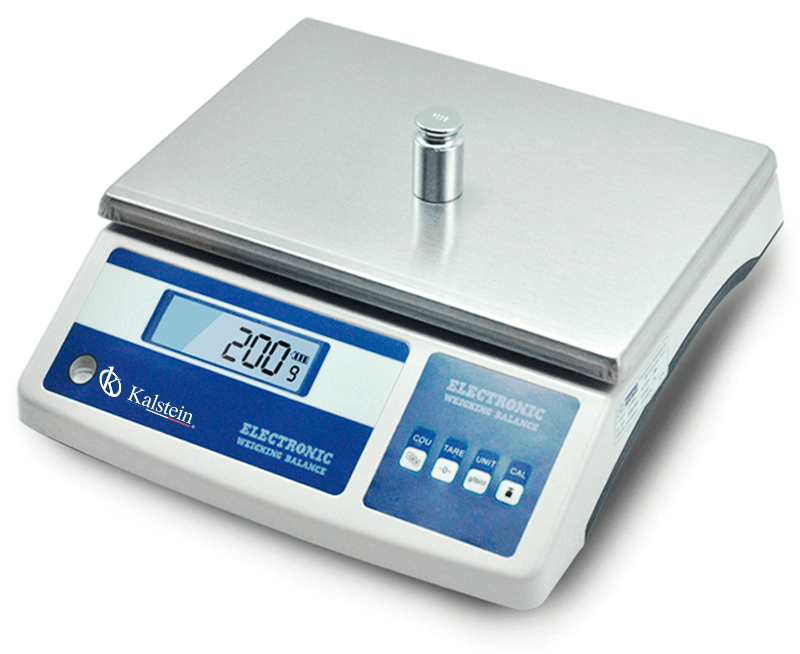
How to Implement Predictive Maintenance and Regular Calibration for Industrial Balances
In laboratory settings, industrial balances play a crucial role in achieving accurate measurements, which are vital for various applications, from quality control to research and development. To ensure these balances operate at their best, implementing a strategy of predictive maintenance and regular calibration is essential. This article delves into the specific practices, models, and metrics involved in maintaining and calibrating industrial balances to meet the highest standards of accuracy and reliability.
The Importance of Predictive Maintenance for Industrial Balances
Predictive maintenance is a proactive strategy that uses data-driven insights to anticipate equipment failures before they occur. For industrial balances, this approach is particularly important due to the potential consequences of inaccurate measurements. By monitoring performance indicators such as weight fluctuations and environmental conditions, laboratories can schedule timely maintenance, thus preventing costly downtime and ensuring compliance with industry standards.
Regular Calibration: Why It Matters
Calibration is the process of adjusting the performance of an instrument to ensure its accuracy. Regular calibration of industrial balances is critical for maintaining compliance with ISO 17025 standards. Calibration should be performed using certified reference materials and must be traceable to national or international standards. Each model of industrial balance may have specific calibration requirements based on its capacity and precision.
Comparative Analysis of Industrial Balance Models
| Model Code | Capacity (kg) | Readability (g) | Best For |
|---|---|---|---|
| YR05606 | 11 | 1 | General laboratory use with moderate load requirements. |
| YR05607 | 16 | 1 | Suitable for heavier samples in quality control environments. |
| YR05608 | 21 | 1 | Ideal for applications requiring higher precision and weight capacity. |
| YR05609 | 31 | 1 | Perfect for large-scale industrial applications. |
| YR05610 | 5.1 | 0.1 | Best for precision measurements in sensitive research applications. |
| YR05611 | 11 | 0.1 | Versatile for various laboratory uses requiring fine accuracy. |
| YR05612 | 16 | 0.1 | Optimized for environments needing regular recalibration. |
| YR05613 | 21 | 0.1 | Used in detailed analytical chemistry applications. |
| YR05614 | 26 | 0.1 | Highly rated for robust industrial applications. |
Common Calibration Practices for Industrial Balances
Calibration practices may vary based on the specific model of industrial balance. However, a general guideline includes performing calibration at regular intervals, typically every 6 to 12 months, or after significant environmental changes. Calibration should also be validated against standard weights to ensure that the balance maintains its accuracy within acceptable limits. Models such as the YR05610, with a readability of 0.1g, require meticulous calibration to uphold their precision.
Key Performance Indicators for Predictive Maintenance
To effectively implement predictive maintenance, laboratories should focus on key performance indicators (KPIs) such as Mean Time Between Failures (MTBF) and Mean Time to Repair (MTTR). Tracking these metrics allows for better planning of maintenance schedules and can significantly enhance the lifespan of industrial balances. The YR05609 model, known for its robustness, can benefit greatly from a well-structured predictive maintenance plan, thereby reducing long-term costs associated with unexpected breakdowns.
Common Mistakes and How to Avoid Them
One common mistake in maintaining industrial balances is neglecting regular checks and calibrations. Laboratories often overlook the significance of environmental factors such as humidity and temperature, which can affect balance accuracy. Ensuring that the balance is located in a controlled environment can help mitigate these issues. Additionally, training staff on the proper use and maintenance of balances can prevent operational errors.
Frequently Asked Questions
How often should I calibrate my industrial balance for optimal performance?
It is recommended to calibrate industrial balances, such as the YR05608, at least every 6 to 12 months, depending on usage frequency and environmental conditions. Regular calibration ensures the balance maintains its accuracy, meets ISO 17025 standards, and operates efficiently.
What are the benefits of predictive maintenance for laboratory balances?
Predictive maintenance helps avoid unexpected failures by using data analytics to schedule maintenance proactively. For models like the YR05609, this translates into improved reliability and reduced downtime, allowing laboratories to maintain a high level of productivity.
What metrics should I monitor for effective predictive maintenance?
Key metrics include Mean Time Between Failures (MTBF) and Mean Time to Repair (MTTR). Monitoring these indicators for balances like the YR05610 can enhance maintenance strategies, potentially increasing the lifespan of the equipment and decreasing costs.
Why is traceability important in the calibration of industrial balances?
Traceability ensures that calibration results can be verified against national or international standards. This is critical for maintaining compliance with ISO 17025 standards, especially for precision balances like the YR05611, which are used in critical applications.
How do environmental conditions affect the calibration of industrial balances?
Environmental factors such as humidity, temperature, and vibration can significantly impact balance accuracy. For instance, the YR05607 model should be placed in a controlled environment to minimize these variables, ensuring reliable and precise measurements.
What is the ideal location for placing industrial balances?
Ideal locations for industrial balances include vibration-free and climate-controlled areas. For example, placing the YR05612 in a stable environment helps maintain its calibration and extends its operational efficiency.
How can I ensure my laboratory balance is compliant with ISO 17025 standards?
To comply with ISO 17025 standards, you must regularly calibrate your balance, maintain accurate records, and ensure that it is used in suitable environmental conditions. Models such as the YR05614 are designed to meet these standards, making them suitable for laboratories focused on compliance.
What are the consequences of neglecting calibration for industrial balances?
Neglecting calibration can lead to inaccurate measurements, resulting in product quality issues and non-compliance with regulatory standards. This is especially critical for balances like the YR05606, where precision is essential for laboratory operations.
If you are looking for a fusion of innovation and quality, you have come to the right place. At Kalstein, we offer you the luxury of exploring our exclusive catalog of laboratory equipment. We manufacture every device to the highest standards of excellence. Our intuitive and seamless online purchasing channels are designed for your convenience, securing the most competitive prices. Hesitate no longer — we bring science to life, it is time to become part of our community.