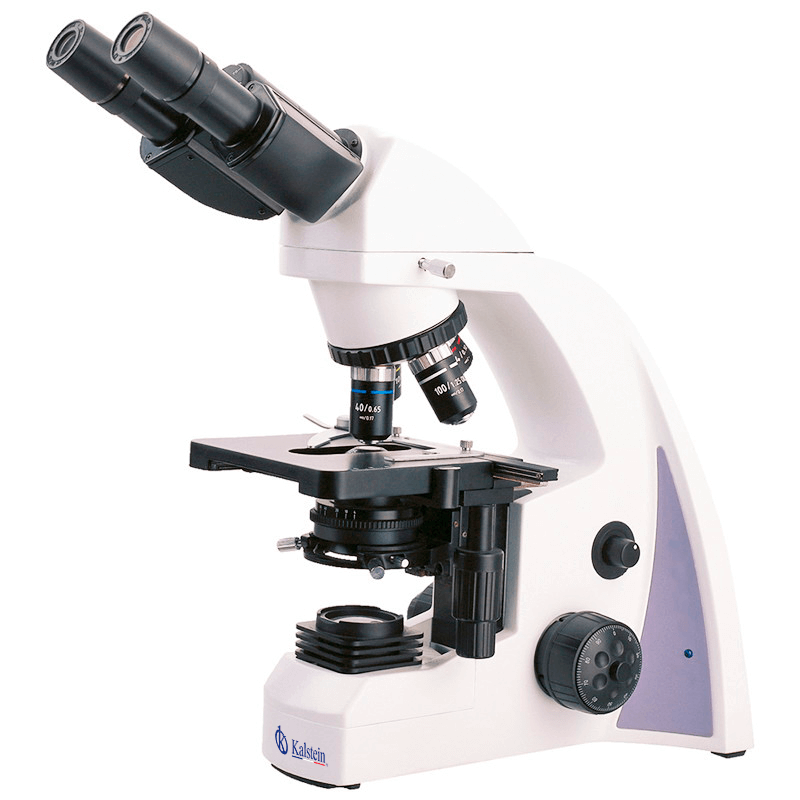
How to Ensure Predictive Maintenance and Recommended Calibration for Laboratory Equipment?
Ensuring the reliability of laboratory equipment is crucial for accurate results and efficient operations. Predictive maintenance and regular calibration are essential practices that help maintain performance and comply with industry standards. This article will delve deep into the practices of predictive maintenance and calibration, focusing on specific models suitable for laboratory environments.
Understanding Predictive Maintenance in Laboratories
Predictive maintenance (PdM) leverages data analysis and machine learning to predict equipment failures before they occur. By monitoring the condition of laboratory equipment, such as the Laboratory Microscope YR0237 series and Fluid Handling Pipettes YR03731 series, labs can minimize downtime and extend the lifespan of their instruments. Implementing PdM involves tracking parameters like vibration, temperature, and usage frequency to anticipate maintenance needs accurately.
Importance of Regular Calibration
Calibration ensures that laboratory equipment operates within specified parameters and delivers accurate results. Regular calibration of instruments like the Laboratory Microscope YR0237-0-1 is vital, particularly when adhering to standards such as ISO 17025. Calibration intervals depend on the manufacturer's recommendations and the frequency of use, and labs should maintain thorough documentation to guarantee compliance.
Key Features to Look for in Laboratory Equipment
When choosing equipment for predictive maintenance and calibration, look for features such as built-in diagnostics, real-time monitoring capabilities, and compatibility with calibration standards. The Laboratory Microscope YR0237-1 offers various objectives and adjustable condensers, while the Fluid Handling Pipettes YR03731-1 provide precision and ergonomics critical for effective laboratory operations.
Developing a Calibration Plan
A calibration plan should outline the equipment to be calibrated, the frequency of calibration, and the personnel responsible. For example, the Laboratory Microscope YR0237-1-1 requires calibration every six months to ensure optimal performance. Implementing a structured approach to calibration minimizes risks and enhances laboratory efficiency.
Failure Modes and Predictive Maintenance Strategies
Common failure modes in laboratory instruments include mechanical wear, electronic failures, and software issues. Predictive maintenance strategies such as condition-based monitoring can identify these issues early. For instance, the Laboratory Microscope YR0237 series can benefit from vibration analysis to predict mechanical failure, reducing the likelihood of unexpected downtime.
KPIs for Measuring Maintenance Effectiveness
Key Performance Indicators (KPIs) such as Mean Time Between Failures (MTBF) and Mean Time to Repair (MTTR) can help evaluate the effectiveness of maintenance strategies. By analyzing these metrics, laboratories can optimize their maintenance schedules and reduce operational costs significantly. The integration of these KPIs in managing equipment like the Fluid Handling Pipettes will lead to improved workflow efficiency.
Comparison of Available Models
| Model | Calibration Frequency | Best For | Technical Features |
|---|---|---|---|
| YR0237-0-1 | Every 6 months | General laboratory use | Binocular head, adjustable condenser |
| YR0237-1 | Every 6 months | Advanced microscopy | Widefield eyepiece, quad revolver |
| YR0237-1-1 | Every 6 months | High precision work | Infinity objectives, dual-layer stage |
| YR03731-1 | Monthly | Fluid handling | Low operational force, ergonomic design |
| YR03731-2 | Monthly | Precision tasks | Color-coded volume indication |
| YR03731-3 | Monthly | Versatile applications | Fixed volume, sterilizable |
Common Mistakes and How to Avoid Them
Avoiding common mistakes in predictive maintenance and calibration can save time and resources. A frequent error is neglecting to adhere to the recommended calibration frequency. For example, the Laboratory Microscope YR0237 models should be calibrated every six months. Additionally, proper documentation is often overlooked, leading to compliance issues. Establishing a routine and using digital tools for tracking can mitigate these problems effectively.
Frequently Asked Questions
How can predictive maintenance improve laboratory equipment performance?
Predictive maintenance enhances laboratory equipment performance by utilizing data analytics to anticipate failures. For instance, monitoring the Laboratory Microscope YR0237-0-1 allows for timely interventions, reducing unexpected downtimes and ensuring consistent results.
What are the recommended calibration intervals for laboratory microscopes?
The recommended calibration interval for laboratory microscopes like the YR0237-1 is typically every six months. This frequency ensures that the equipment operates within the specified accuracy limits, adhering to standards such as ISO 17025.
Which factors influence the calibration frequency of pipettes?
Calibration frequency for pipettes, such as the YR03731-1, is influenced by usage frequency, the precision required for tasks, and manufacturer recommendations. Regular checks can improve accuracy and compliance with operational standards.
What maintenance practices should be adopted for Fluid Handling Pipettes?
Effective maintenance practices for Fluid Handling Pipettes like the YR03731-2 include regular cleaning, proper storage, and monthly calibration to ensure precise volume delivery and adherence to safety standards.
How does calibration support compliance with ISO standards?
Calibration supports compliance with ISO standards by ensuring equipment accuracy and reliability. For example, the Laboratory Microscope YR0237-1 must be calibrated to meet ISO 17025 requirements, which enhances laboratory credibility.
What KPIs are vital for monitoring laboratory equipment maintenance?
Key Performance Indicators (KPIs) such as MTBF and MTTR are vital for monitoring laboratory equipment maintenance. These metrics help optimize maintenance strategies and improve the performance of instruments like the Fluid Handling Pipettes.
How does predictive maintenance reduce laboratory operational costs?
Predictive maintenance reduces operational costs by minimizing unscheduled downtimes and extending equipment lifespan. For example, implementing PdM on the YR0237 series microscopes can lead to significant savings over time.
Why is documentation crucial in laboratory calibration processes?
Documentation is crucial in calibration processes to maintain compliance with industry standards and ensure traceability. For instance, each calibration of the YR03731-3 pipette should be recorded to validate its performance and reliability.
If you are looking for a fusion of innovation and quality, you have come to the right place. At Kalstein, we offer you the luxury of exploring our exclusive catalog of laboratory equipment. We manufacture every device to the highest standards of excellence. Our intuitive and seamless online purchasing channels are designed for your convenience, securing the most competitive prices. Hesitate no longer — we bring science to life, it is time to become part of our community.