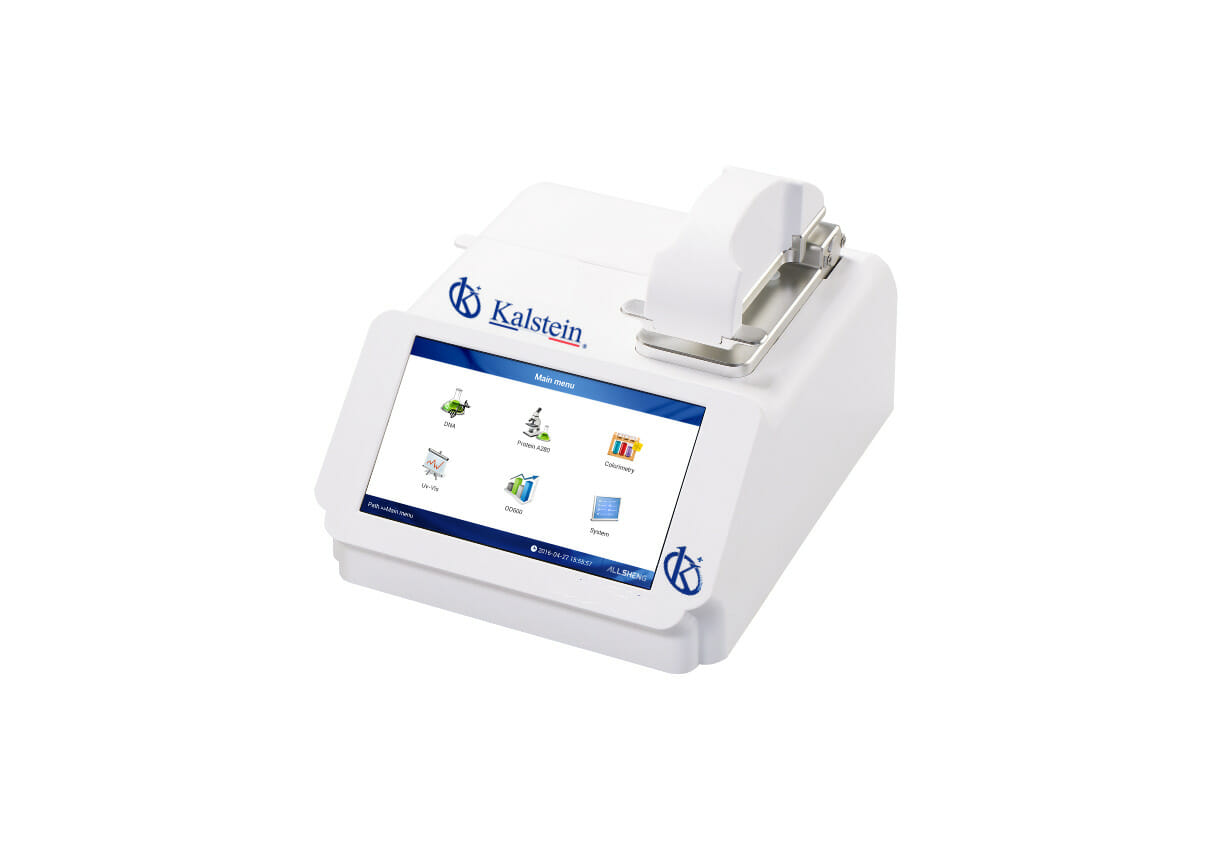
Predictive Maintenance and Recommended Calibration for Micro-Spectrophotometers
Micro-spectrophotometers are essential instruments in molecular biology, allowing for the analysis of nucleic acids and proteins with minimal sample volumes. With advances in technology, predictive maintenance and regular calibration have emerged as key factors in ensuring optimal performance and reliability in laboratory settings. This article details the importance of these practices, compares various models, and addresses common misconceptions within the field.
Understanding Predictive Maintenance in Micro-Spectrophotometers
Predictive maintenance involves the use of data-driven insights to anticipate equipment failures before they occur, thereby minimizing downtime and maintenance costs. In the context of micro-spectrophotometers, implementing predictive maintenance can enhance precision in measurements and extend the lifespan of the instruments.
Benefits of Predictive Maintenance
Utilizing predictive maintenance techniques can lead to significant benefits, including:
- Increased reliability and accuracy in results.
- Reduced operational disruptions.
- Cost savings in repairs and replacements.
Key Performance Indicators (KPIs)
Establishing KPIs is essential for evaluating the effectiveness of predictive maintenance strategies. Common KPIs include:
- Mean Time Between Failures (MTBF)
- Mean Time to Repair (MTTR)
The Role of Calibration in Micro-Spectrophotometers
Calibration is the process of verifying and adjusting the accuracy of the instrument's measurements against known standards. Regular calibration ensures that micro-spectrophotometers provide reliable and accurate results, which is crucial for experiments and analyses.
Calibration Frequency Recommendations
Calibration frequency can vary based on usage, but generally, it is advised to calibrate micro-spectrophotometers:
- Before pivotal experiments.
- At least once a month if used heavily.
Calibration Standards
Using traceable standards for calibration is vital. For instance, using certified reference materials can help maintain accuracy in measurements across different instruments and laboratories.
Comparison of Available Models
| Model | Wavelength Range | Minimum Sample Size | Absorbance Range | Best For |
|---|---|---|---|---|
| YR06033-1 | 200-800 nm | 0.5-2.0 μl | 0.04 - 90A | Nucleic acid detection |
| YR06034 | 260 nm, 280 nm | 1-2.0 μl | 0.2 - 50 A | DNA and RNA purity assessment |
| YR06035 | 200-800 nm | 0.5-2.0 μl | 0.04 - 300A | Advanced protein analysis |
Common Mistakes and How to Avoid Them
Laboratories can make several common mistakes when it comes to predictive maintenance and calibration of micro-spectrophotometers. Here are some pitfalls to watch for:
- Neglecting Regular Calibration: Ensuring regular calibration can be overlooked, which leads to inaccurate results.
- Ignoring Predictive Maintenance: Failing to implement predictive maintenance can result in unexpected breakdowns and costly repairs.
Frequently Asked Questions
How often should I calibrate my micro-spectrophotometer for accurate results?
Calibration of your micro-spectrophotometer, such as the YR06033-1, should occur at least monthly, or before significant experiments to maintain accuracy.
What are the benefits of using predictive maintenance for laboratory equipment?
Predictive maintenance helps in anticipating failures, reducing downtime, and lowering repair costs, making instruments like the YR06034 more reliable for laboratory use.
What is the recommended calibration standard for micro-spectrophotometers?
Using certified reference materials is recommended for calibrating micro-spectrophotometers, such as the YR06035, to ensure accuracy and reliability in measurements.
Which model is best for detecting nucleic acids?
The YR06033-1 model is highly effective for detecting nucleic acids, providing a wavelength range of 200-800 nm, which is ideal for various biological analyses.
How does predictive maintenance improve the lifespan of spectrophotometers?
Implementing predictive maintenance can significantly enhance the lifespan of spectrophotometers like the YR06034 by identifying and addressing potential issues before they escalate.
What is the impact of calibration errors on results?
Calibration errors can lead to inaccurate measurements, affecting experimental outcomes. Regular calibration of models like the YR06035 is essential to mitigate this risk.
How can I implement a calibration schedule for my lab?
Establish a calibration schedule based on usage frequency and critical experiments. For example, calibrate instruments such as the YR06034 monthly or before key tests.
What role does maintenance play in the performance of micro-spectrophotometers?
Regular maintenance ensures that micro-spectrophotometers like the YR06033-1 operate efficiently, providing accurate results and reducing the likelihood of unexpected failures.
If you are looking for a fusion of innovation and quality, you have come to the right place. At Kalstein, we offer you the luxury of exploring our exclusive catalog of laboratory equipment. We manufacture every device to the highest standards of excellence. Our intuitive and seamless online purchasing channels are designed for your convenience, securing the most competitive prices. Hesitate no longer — we bring science to life, it is time to become part of our community.