How to Implement Predictive Maintenance and Recommended Calibration for Portable Ion Meters?
In the world of laboratory analysis, the accuracy and reliability of measurements are paramount. Portable ion meters are essential instruments for measuring ion concentrations in various applications. However, to ensure these devices provide accurate results, implementing a robust predictive maintenance and calibration strategy is key. This article will delve into the significance of predictive maintenance and the recommended calibration procedures necessary for optimizing the performance of portable ion meters.
Understanding Portable Ion Meters and Their Importance
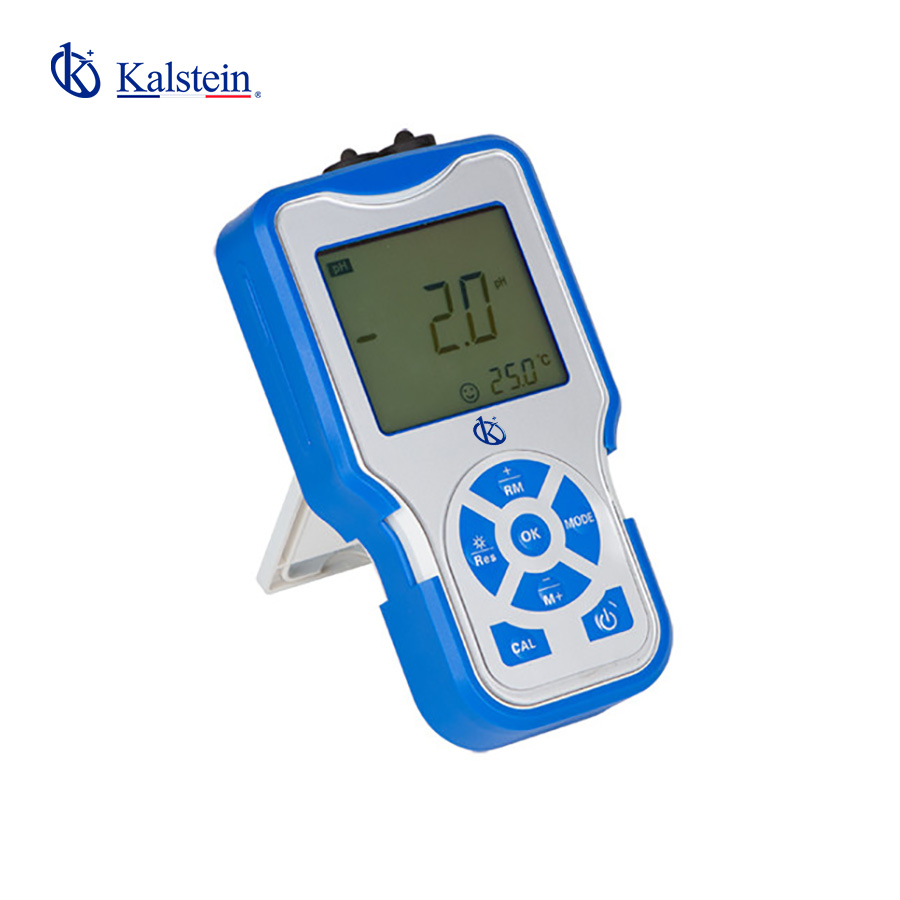
Portable ion meters allow researchers and laboratory professionals to measure ion concentrations effectively in the field or laboratory settings. These devices are versatile and can be used for numerous applications, such as environmental monitoring, water quality testing, and educational purposes. Models like YR01816 and YR01817-1 stand out for their high accuracy and user-friendly features, including multi-point calibration and automatic diagnostics.
The Role of Predictive Maintenance
Predictive maintenance refers to the proactive approach of maintaining equipment based on its performance data and condition. The goal is to predict when a device is likely to fail or require servicing before it actually does. For portable ion meters, this involves regularly monitoring their performance, including calibration status and sensor health. Implementing predictive maintenance can significantly enhance reliability and reduce downtime, ensuring that ion measurements remain accurate.
Key Factors in Predictive Maintenance
Several factors must be considered in a predictive maintenance strategy for portable ion meters, including:
- Calibration Frequency: Regularly calibrating devices based on usage frequency, environmental conditions, and manufacturer recommendations.
- Performance Monitoring: Keeping track of measurement variations and anomalies to detect early signs of failure.
- Sensor Health: Evaluating electrode condition and ensuring proper maintenance to extend the service life of the meter.
Recommended Calibration Procedures
Calibration is critical for maintaining the accuracy of portable ion meters. Different models have varying calibration requirements:
- YR01816: This model allows for 2 to 5 point calibration, with selectable concentration units, making it suitable for diverse applications.
- YR01817-1: A professional ammonium ion meter designed for outdoor use that also supports multiple calibration points and automatic diagnostics.
These calibration procedures ensure that the meters consistently provide reliable results, adhering to standards such as ISO 17025.
Calibration Intervals for Portable Ion Meters
Establishing a calibration schedule based on operational demands is vital. The following table offers a suggested calibration frequency based on the model and usage environment:
| Model | Recommended Calibration Frequency | Environment | Notes |
|---|---|---|---|
| YR01816 | Every 1-2 weeks | Laboratory | More frequent calibration may be necessary for critical applications. |
| YR01817-1 | Every month or as needed | Outdoor | Calibrate after extreme temperature changes. |
Common Mistakes and How to Avoid Them
As laboratory professionals, it is essential to recognize common pitfalls associated with portable ion meters:
- Infrequent Calibration: Neglecting regular calibration can lead to inaccurate measurements. Schedule calibration based on usage frequency.
- Ignoring Sensor Maintenance: Failing to maintain the electrode can result in premature failure. Regularly inspect and clean sensors as recommended by the manufacturer.
- Overlooking Environmental Factors: Not accounting for environmental conditions can impact measurement outcomes. Always use portable ion meters in suitable environments.
Comparison of Available Models
To assist in selecting the right portable ion meter for laboratory applications, here is a comparison of some prominent models:
| Model | Price (USD) | Calibration Points | Best for |
|---|---|---|---|
| YR01816 | 94.00 | 2-5 | General Ion Measurement |
| YR01817-1 | 229.00 | 2-5 | Ammonium Measurement |
| YR01817-10 | 500.00 | 2-5 | High Precision Applications |
| YR01817-11 | 500.00 | 2-5 | Advanced Outdoor Use |
| YR01817-12 | 500.00 | 2-5 | Versatile Applications |
Frequently Asked Questions
How can I effectively calibrate my Portable Ion Meter for best results?
To effectively calibrate your Portable Ion Meter, such as the YR01816, it's essential to follow the manufacturer’s instructions, utilizing a multi-point calibration method. Regular calibration every 1-2 weeks in laboratory conditions will ensure precision and adherence to standards.
What are common calibration intervals for Portable Ion Meters in labs?
Common calibration intervals for Portable Ion Meters like the YR01817-1 suggest every month or immediately after environmental changes. This ensures reliable measurements and adherence to operational standards.
How does predictive maintenance improve Portable Ion Meter performance?
Predictive maintenance enhances Portable Ion Meter performance by monitoring usage data and sensor health, allowing for proactive adjustments. This approach can significantly reduce unexpected failures and ensure consistent accuracy, especially in models like YR01816.
What are the main features to look for in Portable Ion Meters for environmental testing?
When selecting Portable Ion Meters for environmental testing, features such as multi-point calibration, automatic diagnostics, and rugged design are essential. Models like YR01817-1 are specifically built for outdoor conditions, offering durability and reliability.
How often should I perform maintenance on my Portable Ion Meter?
Maintenance frequency for your Portable Ion Meter should ideally be aligned with usage and manufacturer's recommendations. Regular cleaning and performance checks every few weeks are advisable to maintain accuracy, particularly with models like YR01817-12.
What is the best practice for storing Portable Ion Meters between uses?
Best practices for storing Portable Ion Meters include keeping them in a protective case, avoiding extreme temperatures, and ensuring electrodes are kept moist. Proper storage will extend the lifespan of devices like the YR01817-10.
How can I verify the accuracy of my Portable Ion Meter?
To verify your Portable Ion Meter's accuracy, perform a calibration with standard solutions and compare the results. This can be done regularly to ensure models like the YR01816 are providing precise measurements.
Which Portable Ion Meter is best for measuring ammonium levels?
The best Portable Ion Meter for measuring ammonium levels is the YR01817-1. This model is designed for outdoor use and offers high precision with multiple calibration points.
If you are looking for a fusion of innovation and quality, you have come to the right place. At Kalstein, we offer you the luxury of exploring our exclusive catalog of laboratory equipment. We manufacture every device to the highest standards of excellence. Our intuitive and seamless online purchasing channels are designed for your convenience, securing the most competitive prices. Hesitate no longer — we bring science to life, it is time to become part of our community.