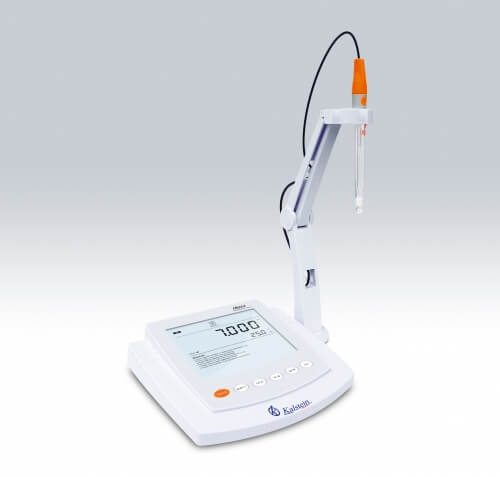
How to Implement Predictive Maintenance and Recommended Calibration for Table Conductivity Controllers?
In laboratory settings, maintaining the accuracy and reliability of table conductivity controllers is crucial for effective analysis. Predictive maintenance and regular calibration are central to achieving these goals. In this article, we will delve into the significance of predictive maintenance and outline recommended calibration schedules for table conductivity controllers, particularly focusing on the following models: YR01836-1, YR01836, YR01829-1, YR01829-2, YR01829, YR01828.
Understanding Predictive Maintenance for Table Conductivity Controllers
Predictive maintenance involves the use of data analysis tools to predict when equipment will fail. This method is particularly important for table conductivity controllers, as it helps in minimizing downtime and extending the lifespan of the equipment. By monitoring the performance and condition of the devices, lab managers can schedule maintenance before failures occur, ensuring continuous operation and compliance with quality standards.
Importance of Regular Calibration
Calibration ensures the accuracy of measurements taken by conductivity controllers. Regular calibration against known standards is essential to maintain precision in laboratory results. Factors like temperature fluctuations, electrode wear, and chemical exposure can affect measurements. Therefore, establishing a regular calibration schedule prevents discrepancies and maintains adherence to industry standards such as ISO 17025.
Recommended Calibration Intervals for Table Conductivity Controllers
Calibration intervals can vary based on usage, but a common recommendation is to perform calibration:
- Before daily use for high-accuracy applications
- Weekly or bi-weekly for normal laboratory conditions
- Monthly for low-use situations
This ensures that any drift in readings is corrected promptly, maintaining the integrity of results.
Factors Influencing Calibration Frequency
Several factors influence how often calibration should occur, including:
- Frequency of Use: More frequent use often leads to quicker wear and drift.
- Environmental Conditions: High humidity, temperature variations, and corrosive environments can impact readings.
- Manufacturer Guidelines: Adhering to the specific calibration recommendations provided by the manufacturer is essential for optimal performance.
Predictive Maintenance Strategies
Implementing an effective predictive maintenance strategy for table conductivity controllers involves several key steps:
- Data Collection: Gather historical performance data from the controllers to establish baseline conditions and identify trends.
- Condition Monitoring: Utilize sensors and data analysis software to continuously monitor device performance, including conductivity readings and electrode conditions.
- Analysis and Reporting: Regularly review data to highlight potential issues before they lead to equipment failure.
- Maintenance Scheduling: Based on data analysis, schedule maintenance and calibration during non-peak hours to minimize disruption.
Comparison of Available Models
| Model Code | Price (USD) | Calibration Points | Best for | Key Features |
|---|---|---|---|---|
| YR01836-1 | 355.00 | 1 to 5 points | Comprehensive multi-parameter analysis | Automatic electrode diagnosis, large LCD display |
| YR01836 | 199.00 | 1 to 3 points | Standard laboratory use | 5-inch LCD, automatic calibration |
| YR01829-1 | 160.00 | 1 to 3 points | Daily testing and controls | Classic benchtop design, backlit LCD |
| YR01829-2 | 235.00 | 1 to 3 points | Daily testing and controls | Automatic temperature compensation |
| YR01829 | 285.00 | 1 to 3 points | Advanced laboratory applications | 7-inch color touchscreen, Bluetooth connectivity |
| YR01828 | 232.00 | 1 to 3 points | Multi-parameter testing | High-resolution touchscreen, wireless printing |
Common Mistakes and How to Avoid Them
In the calibration and maintenance of table conductivity controllers, several common mistakes can compromise measurement accuracy:
- Neglecting Calibration: Regular calibration is essential. Set reminders based on usage frequency.
- Ignoring Environmental Factors: Always consider the laboratory environment; mitigate issues like temperature fluctuations.
- Using Incorrect Calibration Solutions: Always use the specified calibration solutions to ensure accurate results.
- Not Updating Software: Ensure that any software or firmware updates are applied to enhance functionality.
Frequently Asked Questions
How often should I calibrate my conductivity meter for laboratory use?
Calibration frequency depends on usage. For laboratory settings, daily calibration is recommended for high-accuracy measures, while weekly or bi-weekly is ideal for normal use. Models like YR01836-1 support calibration from 1 to 5 points, ensuring precision in measurements.
What is the role of predictive maintenance in laboratory equipment?
Predictive maintenance helps anticipate equipment failures by analyzing performance data. For table conductivity controllers like YR01829, this approach minimizes downtime and extends equipment lifespan, ensuring continuous operation in labs.
Which calibration methods are best for table conductivity meters?
Three-point calibration is optimal for table conductivity meters to ensure high accuracy. Models such as YR01828 offer advanced features for automatic calibration, which simplifies the process for laboratory technicians.
How do environmental conditions affect conductivity meter performance?
Environmental factors like temperature and humidity significantly impact conductivity meter accuracy. For instance, using models like YR01829-2 with temperature compensation features can help counteract these effects, ensuring reliable readings.
What are the key features to consider in a table conductivity controller?
Key features include calibration points, display type, data logging capabilities, and automatic temperature compensation. The YR01836, with its large LCD and multiple calibration options, is perfect for comprehensive laboratory applications.
Why is it crucial to follow the manufacturer's calibration guidelines?
Following the manufacturer's guidelines ensures that the calibration process aligns with the specifications and standards set for the device. For example, YR01836-1 provides detailed calibration recommendations to maintain measurement integrity.
What are the benefits of using advanced table conductivity controllers?
Advanced controllers like YR01829 offer features such as Bluetooth connectivity and touchscreen interfaces, enhancing usability and data management in the laboratory, ultimately leading to improved operational efficiency.
How can I implement a predictive maintenance plan for my lab equipment?
Implementing a predictive maintenance plan involves tracking performance data, using condition monitoring tools, and scheduling maintenance based on the analysis. This is particularly effective for managing table conductivity controllers like YR01829.
For those looking to enhance their laboratory's operational efficiency and ensure top performance of table conductivity controllers, we invite you to request a quote on our products.
If you are looking for a fusion of innovation and quality, you have come to the right place. At Kalstein, we offer you the luxury of exploring our exclusive catalog of laboratory equipment. We manufacture every device to the highest standards of excellence. Our intuitive and seamless online purchasing channels are designed for your convenience, securing the most competitive prices. Hesitate no longer — we bring science to life, it is time to become part of our community.