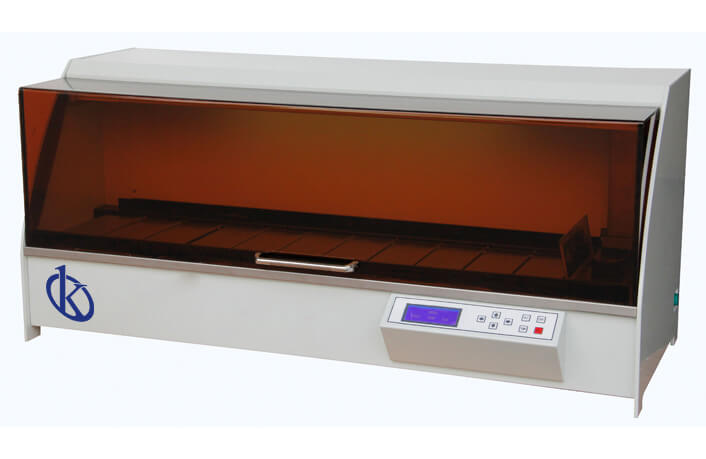
How to Ensure Predictive Maintenance and Recommended Calibration for Tissue Processors
Tissue processors play a crucial role in laboratories, particularly in pathological anatomy, where they are essential for preparing specimens for histological examination. This article aims to delve into the importance of predictive maintenance and recommended calibration for tissue processors. By understanding how to maintain and calibrate these devices effectively, laboratories can ensure high-quality results and operational efficiency.
Understanding Predictive Maintenance
Predictive maintenance refers to techniques that help determine the condition of equipment in order to predict when maintenance should be performed. This approach is essential for tissue processors to avoid unexpected failures and to extend their lifespan. By utilizing predictive maintenance strategies, laboratories can minimize downtime, reduce repair costs, and ensure the reliability of their equipment.
Key Predictive Maintenance Strategies
There are several predictive maintenance strategies that can be adopted for tissue processors:
- Condition Monitoring: Regularly monitoring the operational parameters of the tissue processor can help identify trends that may indicate potential issues.
- Data Analysis: Analyzing historical data can provide insights into the performance and maintenance needs of the equipment.
- Scheduled Inspections: Performing regular inspections can help identify wear and tear before they lead to equipment failure.
Importance of Calibration in Tissue Processors
Calibration is the process of adjusting and fine-tuning a device to ensure its accuracy and precision. For tissue processors, regular calibration is vital to maintaining the integrity of samples and the quality of histological slides. Accurate temperature control, timing, and reagent dispensing are critical factors that can significantly affect the outcome of laboratory results.
Recommended Calibration Intervals
Calibration intervals should be determined based on several factors, including the frequency of use and the specific standards applicable to the laboratory. A general recommendation is to calibrate tissue processors every six months to one year, depending on usage intensity and manufacturer guidelines.
Comparison of Available Models
| Model | Temperature Range | Processing Capacity (ml) | Price (USD) | Best For |
|---|---|---|---|---|
| YR431-1 | RT – 80℃ | 2000 | 11000.00 | Medium laboratories with high processing needs |
| YR436-2 | RT – 80℃ | Not specified | 4400.00 | Cost-effective solution for small labs |
| YR427 | RT – 80℃ | 700 | 2600.00 | Small labs requiring compact design |
| YR428 | RT – 99℃ | 1000 | 2900.00 | Small labs needing high-quality sections |
| YR429 | RT – 80℃ | 1500 | 3300.00 | Labs focused on efficiency and space-saving |
Common Mistakes and How to Avoid Them
When it comes to maintaining and calibrating tissue processors, several common mistakes can lead to reduced performance and inaccuracies:
- Neglecting Regular Maintenance: Failing to perform regular maintenance checks can lead to equipment failure. Set reminders for routine inspections.
- Improper Calibration: Ensure that all calibration is performed by trained personnel using the proper standards.
- Ignoring Manufacturer Guidelines: Always follow the manufacturer's recommendations for maintenance and calibration intervals.
Frequently asked questions
What are the best practices for calibrating tissue processors like YR431-1?
Best practices for calibrating the YR431-1 tissue processor include establishing a calibration schedule every six months, utilizing traceable standards, and ensuring that all adjustments are logged for compliance. This ensures consistent quality in specimen preparation.
How often should I perform predictive maintenance on my YR428 tissue processor?
For the YR428 tissue processor, predictive maintenance should ideally be performed quarterly, focusing on condition monitoring and data analysis to detect any operational issues before they lead to a breakdown.
What calibration standards should I use for tissue processors in my lab?
Your laboratory should use ISO 17025 calibration standards for tissue processors to ensure both accuracy and compliance. This applies to models like YR431-1 and ensures reliable performance across various applications.
How can I optimize the performance of the YR429 tissue processor?
To optimize performance of the YR429 tissue processor, it's crucial to implement a regular calibration schedule, perform routine maintenance checks, and utilize high-quality reagents. This will enhance throughput and sample quality.
What is the role of temperature control in tissue processors like YR436-2?
Temperature control in the YR436-2 tissue processor is vital for ensuring proper reagent reactions and preserving specimen integrity. Consistency can be maintained by following precise calibration protocols.
Which tissue processor model is ideal for high-volume labs?
The YR431-1 model is ideal for high-volume labs due to its large processing capacity of 2000ml and advanced features designed to efficiently handle numerous specimens at once.
How does regular maintenance impact the lifespan of tissue processors such as YR427?
Regular maintenance significantly impacts the lifespan of the YR427 tissue processor by preventing unexpected failures and ensuring consistent operational performance. This reduces overall replacement costs over time.
What are the common calibration errors to avoid in tissue processors?
Common calibration errors in tissue processors include using incorrect standards, failing to document calibrations properly, and neglecting to recalibrate after significant maintenance. Taking care to avoid these will help maintain accuracy.
If you are looking for a fusion of innovation and quality, you have come to the right place. At Kalstein, we offer you the luxury of exploring our exclusive catalog of laboratory equipment. We manufacture every device to the highest standards of excellence. Our intuitive and seamless online purchasing channels are designed for your convenience, securing the most competitive prices. Hesitate no longer — we bring science to life, it is time to become part of our community.