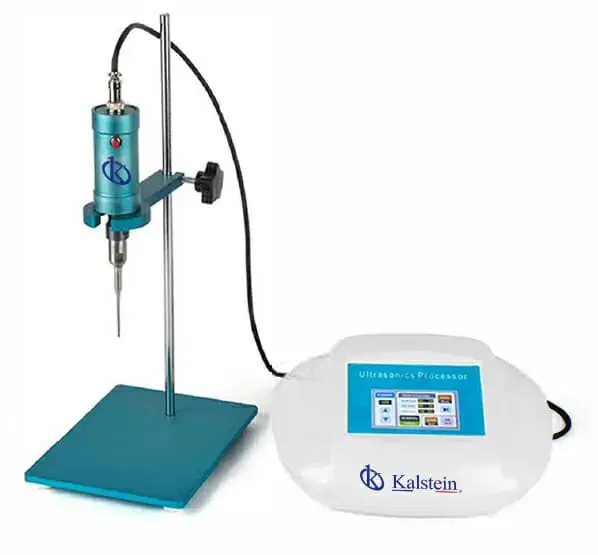
How to Ensure Predictive Maintenance and Recommended Calibration for Ultrasonic Homogenizers?
Ultrasonic homogenizers are vital tools in laboratories, widely used for processes like emulsification, cell disruption, and extraction. To maximize their efficiency and longevity, implementing predictive maintenance and adhering to recommended calibration schedules are essential strategies. This article delves deeply into techniques and best practices for maintaining ultrasonic homogenizers, specifically focusing on predictive maintenance and calibration.
Understanding Predictive Maintenance in Ultrasonic Homogenizers
Predictive maintenance involves monitoring the condition of equipment to predict when maintenance should be performed. This approach helps in anticipating failures before they occur, thereby avoiding costly downtime and ensuring consistent performance of ultrasonic homogenizers.
Ultrasonic homogenizers, such as the YR05829 and YR05830, benefit significantly from predictive maintenance strategies. By utilizing sensors and advanced analytics to monitor parameters like ultrasonic power output and operational temperature, laboratory professionals can effectively manage the maintenance cycles to enhance reliability and performance.
Recommended Calibration Practices for Ultrasonic Homogenizers
Calibration is crucial for ensuring the accuracy and reliability of ultrasonic homogenizers. It involves adjusting the device settings to align with standard measurements and ensuring that the performance is consistent over time.
For instance, the YR05831 model provides a frequency range of 19-25 kHz, necessitating regular calibration to maintain optimal performance levels. Establishing a calibration schedule based on the usage frequency and manufacturer recommendations is vital for labs to ensure compliance with industry standards.
Key Factors for Effective Predictive Maintenance
1. **Regular Monitoring**: Implement automated monitoring systems that track the operational parameters of ultrasonic homogenizers, providing real-time insights into their performance. This can include tracking the ultrasonic power and temperature variations during operation.
2. **Data Analysis**: Utilize data analytics tools to identify patterns in the equipment's performance over time. This can help predict potential failures and assist in scheduling maintenance before issues arise.
3. **Staff Training**: Ensure that laboratory personnel are trained on the specific maintenance needs of ultrasonic homogenizers, including recognizing signs of wear and understanding the importance of calibration.
Calibration Frequency Guidelines
Several factors influence the calibration frequency for ultrasonic homogenizers:
- Usage Intensity: High-frequency usage may require more frequent calibration checks.
- Environmental Conditions: Labs with extreme temperatures or humidity may affect the performance of ultrasonic devices, necessitating more regular calibration.
- Type of Samples Processed: Different sample types may impact wear and require adjustments, thereby affecting calibration schedules.
Generally, it is advisable to perform calibration at least every six months or based on the specific usage requirements of the device model.
Comparison of Available Models
| Model | Ultrasonic Power (W) | Frequency (kHz) | Handling Capacity (ml) | Price (USD) |
|---|---|---|---|---|
| YR05829 | 5-150 | 19-25 | 0.1-50 | 659.00 |
| YR05830 | 5-250 | 19-25 | 0.5-100 | 659.00 |
| YR05831 | 5-400 | 19-25 | 0.5-300 | 699.00 |
| YR05831-op1 | 5-400 | 19-25 | 0.5-300 | 149.00 |
| YR05831-op2 | 5-400 | 19-25 | 0.5-300 | 95.00 |
| YR05832 | 650 | 20-25 | 0.2-500 | 1050.00 |
Common Mistakes and How to Avoid Them
Laboratories may encounter several pitfalls when managing ultrasonic homogenizers. Below are some common mistakes and guidance on how to avoid them:
- Neglecting Regular Maintenance: Failing to perform regular maintenance can lead to unexpected failures. Schedule routine checks based on the manufacturer's recommendations.
- Inconsistent Calibration: Inconsistent calibration practices can lead to unreliable results. Ensure adherence to a strict calibration schedule based on usage frequency.
- Ignoring Environmental Factors: Environmental conditions can impact device performance. Always consider factors like temperature and humidity when placing ultrasonic homogenizers.
Frequently Asked Questions
How often should I calibrate my ultrasonic homogenizer for optimal performance?
It is recommended to calibrate your ultrasonic homogenizer, such as the YR05831 model, at least every six months, especially if operated frequently or in variable environmental conditions.
What are the key benefits of predictive maintenance for ultrasonic homogenizers?
Predictive maintenance can help identify potential failures before they occur, allowing you to minimize downtime and maintain consistent performance with models like YR05830.
Which ultrasonic homogenizer models are best for high capacity processing?
The YR05831 model, with a handling capacity of up to 300 ml, is ideal for laboratories requiring high-capacity processing alongside efficient emulsification and homogenization.
What operational parameters should I monitor for ultrasonic homogenizers?
Monitoring ultrasonic power output and temperature variations are crucial for ensuring optimal performance of ultrasonic homogenizers, particularly for models such as YR05829.
How does environmental control affect ultrasonic homogenizer performance?
Environmental factors like temperature and humidity can significantly influence the performance of ultrasonic homogenizers. It's essential to maintain stable conditions for reliable results.
What are the signs that my ultrasonic homogenizer needs maintenance?
Unusual noise, inconsistent power output, and fluctuations in temperature are signs that your ultrasonic homogenizer, like the YR05830, may require maintenance or calibration.
How can I ensure compliance with industry standards for ultrasonic homogenizers?
Regular calibration and maintenance according to manufacturer specifications, like those for the YR05831 model, ensure compliance with industry standards and reliable operation.
If you are looking for a fusion of innovation and quality, you have come to the right place. At Kalstein, we offer you the luxury of exploring our exclusive catalog of laboratory equipment. We manufacture every device to the highest standards of excellence. Our intuitive and seamless online purchasing channels are designed for your convenience, securing the most competitive prices. Hesitate no longer — we bring science to life, it is time to become part of our community.