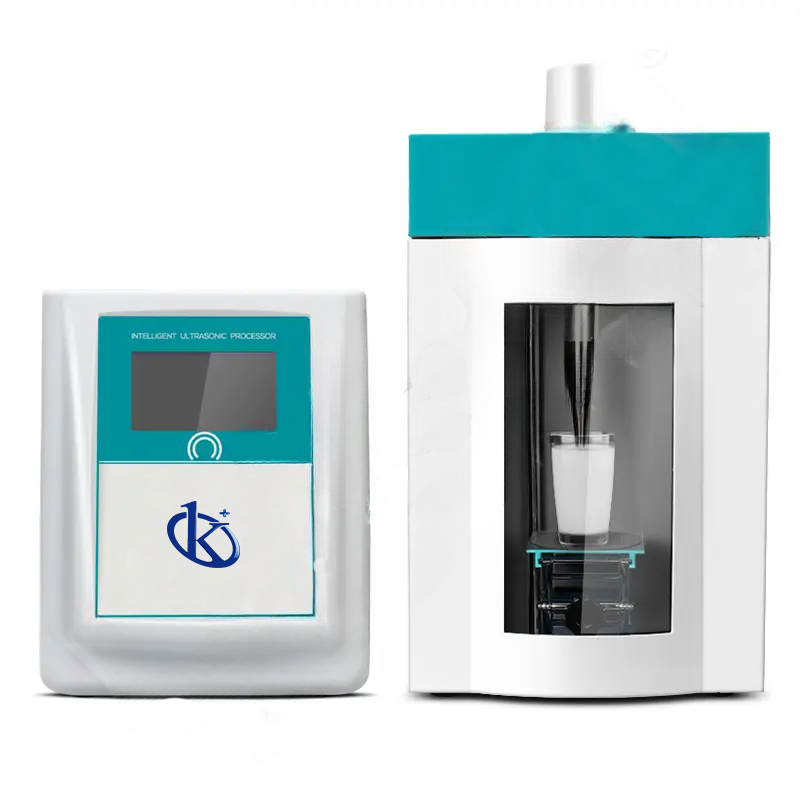
How to Implement Predictive Maintenance and Recommended Calibration for Ultrasonic Homogenizers
In the realm of laboratory equipment, ultrasonic homogenizers play a vital role in sample preparation and homogenization. However, to ensure consistent performance and reliability, implementing predictive maintenance and adhering to recommended calibration schedules are essential practices. This article delves into the intricacies of predictive maintenance and calibration, specifically for ultrasonic homogenizers, ensuring laboratory professionals can maximize their investment and maintain regulatory compliance.
Understanding Predictive Maintenance for Ultrasonic Homogenizers
Predictive maintenance focuses on anticipating equipment failures before they occur, significantly reducing downtime and repair costs. For ultrasonic homogenizers, this involves monitoring various performance metrics, such as power output and temperature control, to determine when maintenance is necessary. By leveraging data analytics and real-time monitoring, laboratories can transition from reactive to proactive maintenance strategies.
Calibration of Ultrasonic Homogenizers
Regular calibration is crucial for ensuring the accuracy and effectiveness of ultrasonic homogenizers. Calibration entails adjusting the device to align with established standards, ensuring that results are reliable and repeatable. Each model may have specific calibration requirements based on its design and intended use. The recommended frequency for calibration is generally every 6 to 12 months, depending on usage intensity and regulatory requirements.
Common Techniques for Predictive Maintenance
Implementing predictive maintenance involves several techniques, including:
- Data Logging: Continuously recording performance metrics for analysis.
- Vibration Analysis: Monitoring vibrations to detect anomalies that may indicate wear and tear.
- Thermal Imaging: Identifying overheating components that could lead to failure.
By incorporating these techniques, laboratories can address potential issues before they escalate into major problems.
Recommended Calibration Procedures
Calibration procedures for ultrasonic homogenizers typically include the following steps:
- Setting up the device according to manufacturer specifications.
- Using standard reference materials to check measurement accuracy.
- Adjusting the device settings as necessary to ensure compliance with calibration standards.
Maintaining a clear log of calibration activities is also essential for compliance and traceability.
Comparative Analysis of Ultrasonic Homogenizer Models
This section provides a comparative overview of various ultrasonic homogenizer models, focusing on their specifications, including power output, mixing capacity, and price.
| Model | Power (W) | Mixing Capacity (ml) | Price (USD) |
|---|---|---|---|
| YR05015 | 150 | 150 | 756.00 |
| YR05016 | 250 | 300 | 882.00 |
| YR05017 | 650 | 500 | 1050.00 |
| YR05018 | 900 | 600 | 1281.00 |
| YR05019 | 1200 | 1000 | 1785.00 |
| YR05020 | 1800 | 1200 | 2058.00 |
Benefits of Implementing Predictive Maintenance
Adopting predictive maintenance strategies can lead to significant benefits, including:
- Increased Equipment Lifespan: Regular monitoring and maintenance extend the operational life of ultrasonic homogenizers.
- Cost Savings: Preventative measures reduce the need for expensive repairs and minimize downtime.
- Improved Accuracy: Consistent performance ensures high-quality results during laboratory processes.
Calibration Standards and Compliance
Calibration of ultrasonic homogenizers must align with established standards to ensure accuracy and reliability. Commonly referenced standards include ISO 17025 for testing and calibration laboratories, which provides a framework for quality management systems. Compliance with these standards not only enhances credibility but also meets client and regulatory expectations.
Common Mistakes and How to Avoid Them
Laboratories may face challenges when implementing predictive maintenance and calibration protocols. Common mistakes include:
- Neglecting to document maintenance and calibration activities, which can lead to compliance issues.
- Failing to train staff adequately on the importance of maintenance protocols, leading to inconsistent practices.
- Overlooking the specific calibration requirements for different models, which can result in inaccurate readings.
To avoid these pitfalls, laboratories should establish comprehensive training programs and maintain thorough records of all activities.
Frequently Asked Questions
How often should ultrasonic homogenizers be calibrated for optimal performance?
Ultrasonic homogenizers should typically be calibrated every 6 to 12 months, depending on usage frequency and applicable regulations. Regular calibration ensures compliance with standards such as ISO 17025, which is crucial for maintaining accuracy and reliability in results.
What are the key benefits of predictive maintenance for ultrasonic homogenizers?
Predictive maintenance provides numerous advantages, including reduced downtime, lower repair costs, and extended equipment lifespan. For instance, regularly monitoring performance metrics on models like YR05019 can help identify potential failures early, enhancing overall efficiency in laboratory operations.
Which ultrasonic homogenizer model is best for high-volume applications?
The YR05020 model stands out for high-volume applications due to its powerful 1800W output and 1200ml mixing capacity. This model is particularly useful for laboratories requiring consistent performance in large-scale homogenization tasks and is well-suited to meet demanding operational needs.
How does calibration affect the accuracy of ultrasonic homogenizers?
Calibration directly impacts the accuracy of ultrasonic homogenizers by ensuring that they operate within defined specifications. For example, properly calibrated YR05018 models will produce reliable results, which is essential for meeting regulatory standards and achieving reproducible outcomes in laboratory settings.
What predictive maintenance techniques are effective for ultrasonic homogenizers?
Effective predictive maintenance techniques include data logging, vibration analysis, and thermal imaging. By employing these methods, laboratories can monitor the performance of models like YR05016 effectively, helping to identify potential issues before they lead to equipment failure.
How can labs ensure compliance with calibration standards?
Laboratories can ensure compliance with calibration standards by establishing a formal calibration schedule, documenting all calibration activities, and adhering to recognized standards such as ISO 17025. This meticulous approach is vital for maintaining the integrity of ultrasonic homogenizers like the YR05017.
What is the cost of ultrasonic homogenizers with advanced calibration features?
Ultrasonic homogenizers with advanced calibration features, such as the YR05019, typically range from $1785 to $2058. The investment in these models is justified by their enhanced performance, accuracy, and the ability to meet stringent laboratory standards.
How does predictive maintenance integrate with laboratory workflow?
Predictive maintenance can seamlessly integrate into laboratory workflow by utilizing software that tracks equipment performance metrics. This integration allows real-time monitoring, especially for ultrasonic homogenizers like the YR05020, ensuring that maintenance activities are conducted efficiently without disrupting ongoing laboratory processes.
For laboratories looking to enhance their operational efficiency and ensure the longevity of their ultrasonic homogenizers, requesting a quote can help tailor solutions specific to their needs.
If you are looking for a fusion of innovation and quality, you have come to the right place. At Kalstein, we offer you the luxury of exploring our exclusive catalog of laboratory equipment. We manufacture every device to the highest standards of excellence. Our intuitive and seamless online purchasing channels are designed for your convenience, securing the most competitive prices. Hesitate no longer — we bring science to life, it is time to become part of our community.