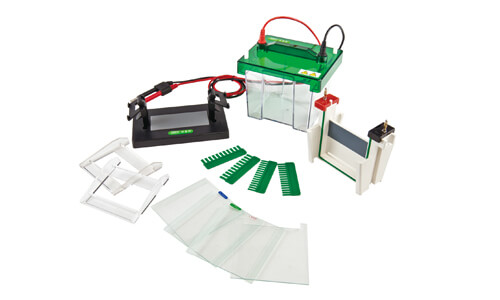
Predictive Maintenance and Recommended Calibration for Vertical Electrophoresis Systems
Vertical electrophoresis systems play a pivotal role in protein separation for various laboratory applications. The complexity of these systems necessitates a thorough understanding of predictive maintenance and periodic calibration to ensure optimal performance and compliance with industry standards. This article delves into the significance of maintenance routines, calibration schedules, and how they contribute to enhanced laboratory efficiency.
Understanding Predictive Maintenance in Vertical Electrophoresis
Predictive maintenance focuses on anticipating equipment failures before they occur, allowing labs to schedule maintenance activities during planned downtimes. This proactive approach minimizes unexpected breakdowns and increases overall productivity. In vertical electrophoresis systems, elements such as the glass plate alignment, gel preparation, and buffer solution quality can significantly impact the results. Implementing a predictive maintenance plan ensures that equipment operates within specifications, ultimately leading to more reliable data.
Calibration Requirements for Vertical Electrophoresis Equipment
Calibration is essential in the context of electrophoresis as it guarantees the accuracy and reproducibility of results. Regular calibration of vertical electrophoresis systems, such as the Mini-Protean models, is necessary to maintain compliance with standards like ISO/IEC 17025. Calibration intervals should be determined based on the frequency of use and the system's operational conditions. A well-documented calibration plan helps in tracking performance and ensuring that the equipment meets necessary specifications.
Comparison of Available Models
| Model | Glass Plate Size (mm) | Gel Size (mm) | Gel Thickness (mm) | Sample Volume (wells) | Buffer Volume (ml) | Price (USD) |
|---|---|---|---|---|---|---|
| YR03425 | 100x100 | 82x88 | 0.75, 1.0, 1.5 | 11, 15 | ~750 | 303.00 |
| YR03426 | 100x100 | 82x88 | 1.0, 1.5 | 11, 15 | ~1000 | 405.00 |
| YR03427 | 101x82 | 81x73 | 1.0 | 11~60 | ~1200 | 517.20 |
| YR03428 | 216x110 | 186x95 | 1.0 | 25, 40, 52 | ~1800 | 173.40 |
| YR03429 | 216x220 | 186x205 | 1.0 | 25, 40, 52 | ~3500 | 238.20 |
| YR03430 | 216x110 | 186x95 | 1.0 | 25, 40, 52 | ~1800 | 339.60 |
Key Factors for Effective Calibration
Effective calibration of vertical electrophoresis systems requires attention to several key factors. Regular checks should be made to ensure that the gel thickness remains consistent, as variations can significantly affect the separation quality. Additionally, maintaining the correct buffer conditions is critical for reproducibility. Calibration should also involve verifying the integrity of the electrical connections and ensuring the apparatus is operating within specified voltage and current ranges.
Common Mistakes and How to Avoid Them
One of the prevalent mistakes in the maintenance of vertical electrophoresis systems is inadequate documentation of calibration and maintenance activities. Keeping detailed logs not only helps in complying with laboratory standards but also aids in tracking performance trends over time. Another common error is neglecting to inspect the equipment for wear and tear regularly. Implementing a checklist as part of the maintenance routine can help in avoiding these pitfalls.
Developing a Calibration Schedule
Establishing a calibration schedule is crucial for maintaining the performance of vertical electrophoresis equipment. A typical schedule may involve calibration checks every three to six months, depending on usage frequency. The calibration should include checks on gel readiness, buffer conditions, and system alignment. Utilizing a calibration template can streamline this process and ensure that all necessary parameters are checked consistently.
Optimizing Performance through Predictive Maintenance
To optimize performance in vertical electrophoresis, employing predictive maintenance strategies can be beneficial. Monitoring performance metrics such as Mean Time Between Failures (MTBF) and Mean Time To Repair (MTTR) can provide insights into when maintenance should occur. By analyzing these metrics, laboratories can reduce downtime and improve throughput, ensuring that the systems are operating efficiently.
Frequently Asked Questions
What is the recommended calibration frequency for vertical electrophoresis systems?
The recommended calibration frequency for vertical electrophoresis systems, such as the YR03425 model, is typically every three to six months, depending on usage intensity and operating conditions. Regular calibration ensures compliance with standards like ISO/IEC 17025 and maintains system performance.
How does predictive maintenance enhance reliability in vertical electrophoresis equipment?
Predictive maintenance enhances reliability in vertical electrophoresis systems by allowing labs to anticipate and schedule maintenance before failures occur. This proactive approach reduces unexpected downtime and improves the quality of results. Systems like the YR03430 benefit significantly from this strategy, enabling consistent performance.
Which model is best for high-throughput vertical electrophoresis?
The Mini-Protean YR03429 model is ideal for high-throughput vertical electrophoresis applications. It supports multiple gel configurations and has a larger buffer capacity, making it suitable for labs processing a high volume of samples efficiently.
What are common calibration parameters for vertical electrophoresis systems?
Common calibration parameters for vertical electrophoresis systems include gel thickness, buffer conditions, and electrical current settings. Regular checks on these parameters help ensure that the systems, like the YR03426 model, maintain optimal performance and meet laboratory standards.
How can I track maintenance activities for my vertical electrophoresis equipment?
Tracking maintenance activities for vertical electrophoresis equipment can be done using detailed logs or digital management systems. Keeping a record of all maintenance and calibration activities, particularly for models like the YR03428, ensures compliance and aids in identifying performance trends.
What role does buffer quality play in the performance of vertical electrophoresis?
Buffer quality plays a crucial role in the performance of vertical electrophoresis systems by affecting the ion concentration and pH levels, which in turn influence the separation process. Maintaining high-quality buffer solutions is essential for achieving consistent results in systems such as the YR03427.
How do I determine the optimal gel thickness for my vertical electrophoresis runs?
Determining the optimal gel thickness for vertical electrophoresis runs depends on the specific application and sample type. For instance, using 1.0 mm gels in systems like the YR03430 is often recommended for standard protein separations to achieve the best resolution.
What should I include in my predictive maintenance plan for vertical electrophoresis?
A predictive maintenance plan for vertical electrophoresis should include regular checks on system components, calibration schedules, and performance monitoring metrics such as MTBF and MTTR. Implementing these strategies for models like YR03429 improves reliability and operational efficiency.
If you are looking for a fusion of innovation and quality, you have come to the right place. At Kalstein, we offer you the luxury of exploring our exclusive catalog of laboratory equipment. We manufacture every device to the highest standards of excellence. Our intuitive and seamless online purchasing channels are designed for your convenience, securing the most competitive prices. Hesitate no longer — we bring science to life, it is time to become part of our community.