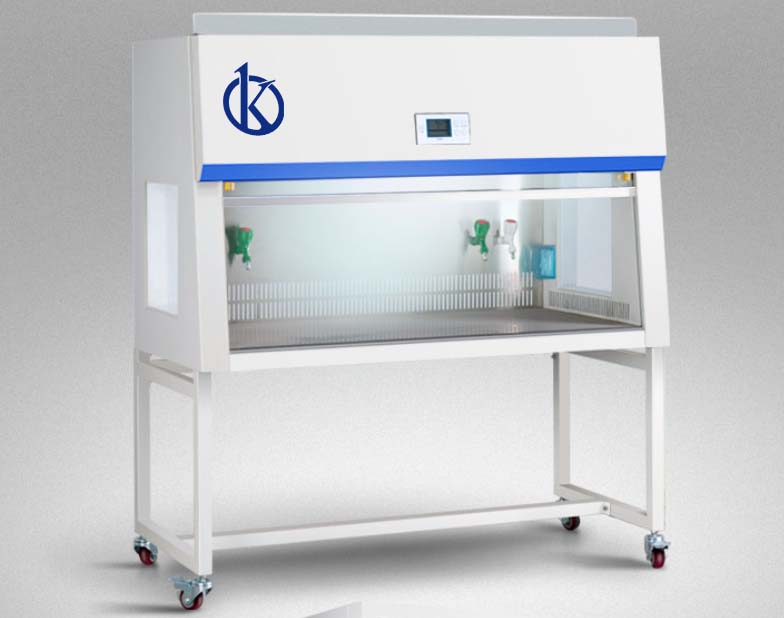
How to Ensure Predictive Maintenance and Periodic Calibration of Vertical Laminar Flow Clean Benches
Vertical laminar flow clean benches are essential in laboratories where air contamination must be minimized. Ensuring predictive maintenance and regular calibration of these units is crucial for optimal performance and compliance with industry standards. This article delves into the best practices for maintaining these clean benches, emphasizing predictive maintenance strategies, calibration schedules, and how to avoid common mistakes.
Understanding Predictive Maintenance for Vertical Laminar Flow Clean Benches
Predictive maintenance refers to the techniques used to predict equipment failures before they occur, thereby avoiding unexpected downtimes. For vertical laminar flow clean benches, this approach can significantly enhance the reliability and accuracy of laboratory processes. By using data-driven insights, laboratory managers can determine when maintenance is needed, optimizing operational efficiency.
Key components of predictive maintenance include monitoring airflow velocity, maintaining HEPA filter integrity, and ensuring the cleanliness of the workspace. Technologies such as IoT sensors can provide real-time data to track the performance of clean benches like the YR05267-1 model, helping to extend their lifespan.
Importance of Regular Calibration in Clean Benches
Calibration is vital in laboratory settings, ensuring that equipment performs accurately and meets regulatory compliance. For vertical laminar flow clean benches, regular calibration helps maintain clean air standards as specified by ISO 14644, ensuring that the environment remains suitable for sensitive procedures.
Calibration intervals typically depend on usage and the specific model. For example, the YR05734 model may require more frequent calibration in high-use environments compared to the YR05736, which can have longer intervals due to its robust design. Laboratories should establish a calibration schedule that aligns with their operational needs and regulatory requirements.
Comparison of Available Models
| Model | Filtration Efficiency | Airflow Velocity (m/s) | Noise Level (dB) | Best Application |
|---|---|---|---|---|
| YR05267-1 | 99.99% | 0.3-0.6 | ≤62 | Biotechnology, Pharmaceutical |
| YR05734 | Class 100 | 0.25-0.45 | ≤62 | Medical, Biological Engineering |
| YR05735 | Class 100 | 0.25-0.45 | ≤62 | Scientific Experiments |
| YR05736 | Class 100 | 0.25-0.45 | ≤62 | General Laboratory Use |
| YR05737 | Class 100 | 0.25-0.45 | ≤62 | Cleanroom Applications |
| YR05738 | Class 100 | 0.25-0.45 | ≤62 | Medical Treatments, Chemical Experiments |
Common Mistakes and How to Avoid Them
Laboratory professionals often make several common mistakes that can compromise the effectiveness of vertical laminar flow clean benches. One prevalent mistake is neglecting the importance of regular maintenance and calibration schedules. Skipping these can lead to a decline in air quality and contamination risks.
Another error is the improper monitoring of airflow velocity. This can be corrected by utilizing monitoring systems that provide alerts when airflow deviates from acceptable ranges. Ensuring that personnel are trained on the specific operational requirements of each model, such as the YR05735, can also mitigate these issues.
Developing a Calibration Plan
Creating a structured calibration plan is essential for maintaining the performance of vertical laminar flow clean benches. This plan should include a schedule identifying when each model should be calibrated, the specific tests to be conducted, and the personnel responsible for each task.
For instance, a calibration plan for the YR05267-1 may involve checking airflow and filter performance every six months, while the YR05736 may require annual verification. Incorporating these details into the laboratory's operational protocols will ensure compliance and operational efficiency.
Energy Efficiency and Sustainability Considerations
As laboratories increasingly focus on sustainability, energy efficiency becomes paramount. Vertical laminar flow clean benches can contribute to a lab's sustainability goals by implementing energy-saving practices. For example, using the YR05737 model, which features energy-efficient components, can lower electricity consumption.
Calculating the energy consumption per model can help labs understand their environmental footprint and identify areas for improvement. Regular maintenance also plays a critical role in ensuring that these units operate at peak efficiency, further contributing to sustainability objectives.
Frequently Asked Questions
What are the calibration requirements for vertical laminar flow clean benches?
Calibration requirements for vertical laminar flow clean benches, such as the YR05736, typically align with ISO 14644 standards, which mandate regular checks on airflow and filter performance to ensure Class 100 cleanliness levels.
How often should I perform maintenance on the YR05267-1 model?
The YR05267-1 model requires routine maintenance at least every six months, which includes checking airflow and HEPA filter integrity to maintain optimal performance and compliance with industry standards.
What are the benefits of predictive maintenance for laminar flow clean benches?
Predictive maintenance for laminar flow clean benches, like the YR05734, helps prevent unexpected failures by analyzing real-time data, allowing for timely interventions that minimize downtime and ensure consistent clean environments.
Which vertical laminar flow clean bench is best for pharmaceutical applications?
The YR05267-1 model is best suited for pharmaceutical applications due to its high filtration efficiency of 99.99%, ensuring a sterile working environment required for sensitive processes.
How can I track maintenance schedules for laminar flow clean benches?
Laboratories can use management software to track maintenance schedules for laminar flow clean benches, such as the YR05738, ensuring timely servicing and compliance with calibration protocols.
What is the role of HEPA filters in vertical laminar flow clean benches?
HEPA filters in vertical laminar flow clean benches, like those found in the YR05735 model, are crucial for trapping airborne particles, thereby maintaining the cleanliness and sterility required for sensitive laboratory operations.
How can energy efficiency be improved in clean bench operations?
Energy efficiency in clean bench operations can be improved by using models like the YR05737, which incorporate energy-efficient systems and regular maintenance to ensure optimal performance while reducing electricity consumption.
What common issues arise with vertical laminar flow clean benches and how to solve them?
Common issues with vertical laminar flow clean benches include airflow problems and filter saturation. These issues can be addressed through regular maintenance checks and timely filter replacements, particularly for models like the YR05736.
If you are looking for a fusion of innovation and quality, you have come to the right place. At Kalstein, we offer you the luxury of exploring our exclusive catalog of laboratory equipment. We manufacture every device to the highest standards of excellence. Our intuitive and seamless online purchasing channels are designed for your convenience, securing the most competitive prices. Hesitate no longer — we bring science to life, it is time to become part of our community.