How to Ensure Predictive Maintenance and Recommended Calibration for Veterinary Surgical Tools
Veterinary surgical tools are essential for delivering quality care to animals, and their performance significantly relies on proper maintenance and calibration. Predictive maintenance and regular calibration not only enhance the longevity of these tools but also ensure that surgical procedures are performed safely and effectively. This article explores the critical aspects of predictive maintenance, recommendations for calibration, and how these practices apply to various models of veterinary surgical tools.
Understanding Predictive Maintenance in Veterinary Surgical Tools
Predictive maintenance involves using data-driven insights and analytics to predict when a tool or equipment might fail so that maintenance can be performed just in time to avoid unexpected downtimes. This approach is especially crucial in veterinary surgical environments, where reliable equipment can directly influence patient outcomes.
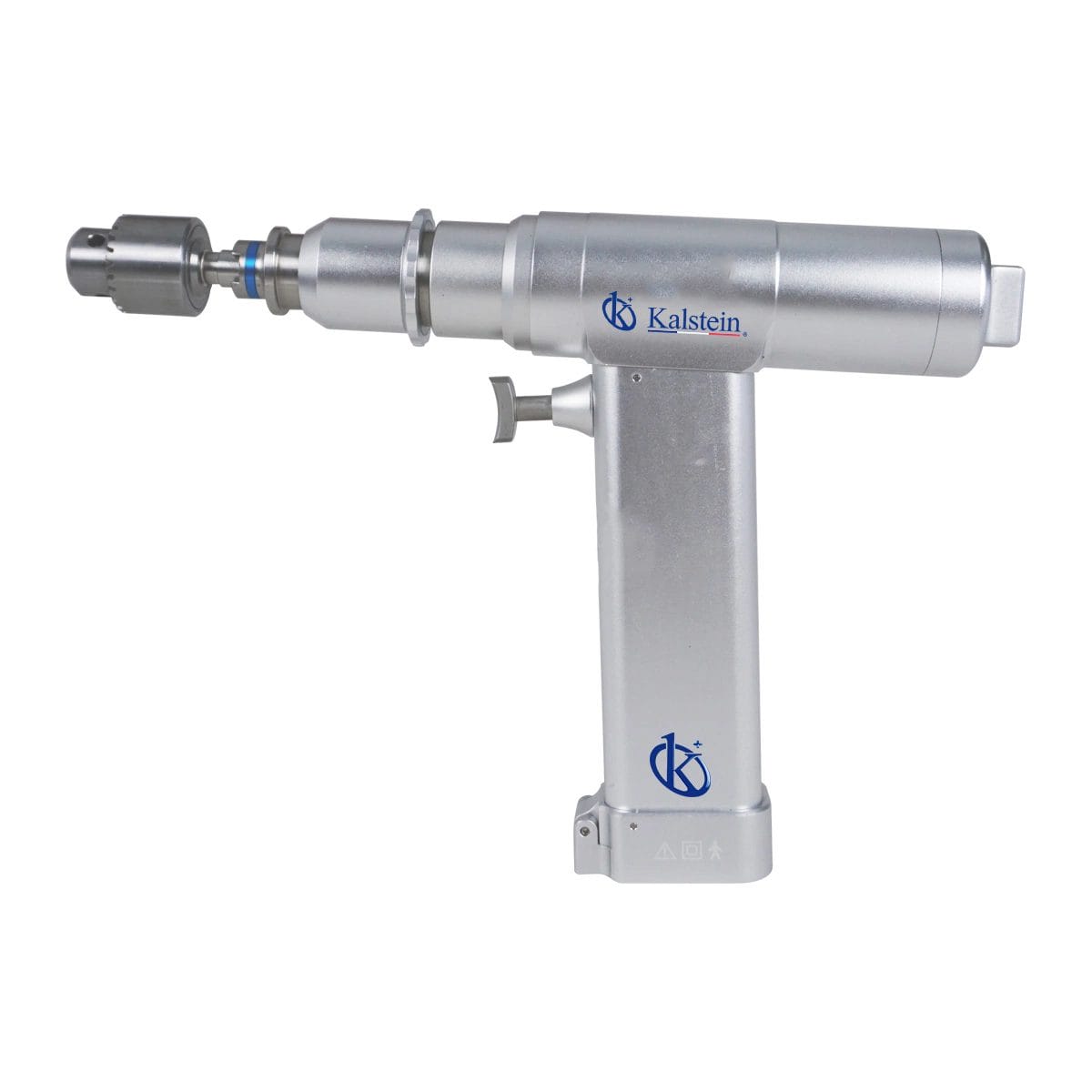
The benefits of predictive maintenance include reduced operational costs, minimized unplanned downtime, and enhanced equipment reliability. By regularly monitoring the condition of tools such as the Electric Multifunction Tool for Veterinary Surgery YR06126, veterinary professionals can identify wear patterns and proactively address issues before they lead to equipment failure.
Calibration: A Must for Precision and Safety
Calibration is the process of configuring an instrument to provide a result for a sample within an acceptable range. For veterinary surgical tools, regular calibration is crucial to ensure that the instruments are functioning accurately and effectively. This is particularly important for tools used in delicate surgeries, such as the Veterinary TPLO Saw YR06128.
Failure to calibrate tools can lead to serious consequences, including improper surgical outcomes and prolonged recovery times for animals. Each model of surgical tool has specific calibration requirements that should be adhered to religiously to maintain accuracy and reliability in surgical procedures.
Comparison of Available Models
| Model | Recommended Calibration Interval | Predictive Maintenance Features | Best For |
|---|---|---|---|
| YR06126 | Every 3 months | Battery monitoring, temperature control | Joint and neuro surgeries |
| YR06127 | Every 2 months | Real-time performance analytics | Small animal surgeries |
| YR06128 | Every 6 months | Durability testing, usage logs | TPLO surgeries |
Critical Calibration Techniques for Veterinary Surgical Tools
To ensure the effectiveness of veterinary surgical tools, implementing specific calibration techniques is essential. For instance, tools like the Micro/Mini Multifunctional Veterinary Tool YR06127 require periodic checks to verify blade speed and functionality. Calibration standards should align with manufacturer specifications to maintain performance integrity and ensure compliance with safety regulations.
Common calibration techniques include:
- Using certified reference materials for accuracy verification.
- Performing functional testing to ensure operational capabilities.
- Maintaining documentation of calibration results for traceability and compliance.
Common Mistakes and How to Avoid Them
Despite the best intentions, veterinary professionals can make mistakes concerning maintenance and calibration of surgical tools. Some common pitfalls include:
- Failure to maintain a regular calibration schedule.
- Neglecting to document maintenance and calibration activities.
- Ignoring manufacturer specifications for operating conditions.
To avoid these errors, develop a maintenance calendar that includes all models, establish a checklist for documentation, and train staff on proper usage protocols.
Effective Predictive Maintenance Strategies
Implementing effective predictive maintenance strategies involves understanding the specific needs of each surgical tool. Utilizing data analytics tools that track usage patterns and performance metrics can significantly enhance proactive maintenance practices. For instance, the Electric Multifunction Tool for Veterinary Surgery YR06126 benefits from battery monitoring systems that provide alerts when performance dips below acceptable levels.
Key strategies include:
- Regularly scheduled inspections to assess tool performance.
- Utilizing software solutions for tracking maintenance history.
- Training staff on recognizing early warning signs of potential issues.
Integration of Technology in Maintenance Practices
Modern veterinary practices are increasingly integrating technology into their maintenance protocols. Systems that utilize IoT (Internet of Things) can provide real-time data on tool performance, highlighting when maintenance is necessary. For example, tools like the Veterinary TPLO Saw YR06128 can be equipped with sensors that monitor operational conditions, alerting users to potential failures before they occur.
By embracing technology, veterinary practices can enhance their predictive maintenance protocols, leading to improved patient safety and operational efficiency.
Frequently Asked Questions
What are the recommended calibration intervals for veterinary surgical tools?
The recommended calibration intervals for veterinary surgical tools vary by model. For instance, the YR06126 should be calibrated every three months, while the YR06127 requires calibration every two months. Regular calibration is essential for ensuring precision and safety.
How can predictive maintenance improve the longevity of surgical tools?
Predictive maintenance helps improve the longevity of surgical tools by allowing for timely repairs and replacements before failures occur. For instance, monitoring battery performance in the YR06126 can indicate when maintenance is necessary, thereby preventing breakdowns.
What are the consequences of failing to calibrate surgical tools regularly?
Failing to calibrate surgical tools regularly can lead to inaccurate results and potentially hazardous surgical outcomes. For example, improper calibration of the YR06128 may affect the precision of TPLO surgeries, resulting in longer recovery times for animals.
How does technology enhance predictive maintenance in veterinary tools?
Technology enhances predictive maintenance by providing real-time data on tool performance and usage patterns. For example, IoT-enabled tools like the YR06127 can send alerts when maintenance is needed, helping veterinarians avoid unexpected downtimes.
What documentation is necessary for maintenance and calibration of surgical tools?
Documentation for maintenance and calibration should include calibration certificates, maintenance logs, and performance records. This is especially important for compliance with veterinary surgical standards and to ensure the reliability of tools such as the YR06126.
Which model is best for joint and neuro surgeries regarding calibration needs?
The Electric Multifunction Tool for Veterinary Surgery YR06126 is best for joint and neuro surgeries, requiring calibration every three months to ensure optimal performance. Regular calibration helps maintain accuracy and reliability during complex procedures.
How does predictive maintenance impact the cost of veterinary surgical tools?
Predictive maintenance can significantly reduce the overall cost of ownership for veterinary surgical tools by minimizing unplanned repairs and extending tool life. For instance, tools like the YR06128 benefit from scheduled maintenance that prevents costly breakdowns.
What are the best practices for integrating technology in veterinary tool maintenance?
Best practices for integrating technology in veterinary tool maintenance include using IoT devices for real-time monitoring, employing software for maintenance tracking, and training staff on new technologies. This approach can significantly enhance the reliability of tools like the YR06127.
If you are looking for a fusion of innovation and quality, you have come to the right place. At Kalstein, we offer you the luxury of exploring our exclusive catalog of laboratory equipment. We manufacture every device to the highest standards of excellence. Our intuitive and seamless online purchasing channels are designed for your convenience, securing the most competitive prices. Hesitate no longer — we bring science to life, it is time to become part of our community.