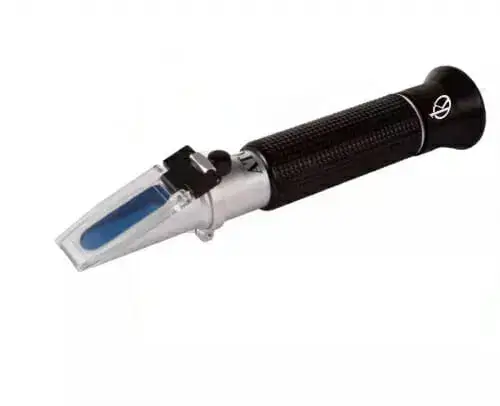
How to Implement Predictive Maintenance and Recommended Calibration for Wine Refractometers
In the realm of laboratory equipment, precision is paramount, especially in measuring the sugar concentration in liquids, such as for wine production. Wine refractometers are essential instruments that require both predictive maintenance and regular calibration to ensure accurate results. This article will discuss how to implement these practices effectively, focusing on multiple models, their specifications, and their applications in various environments.
Understanding Predictive Maintenance and Its Importance
Predictive maintenance refers to the strategy of predicting when equipment will fail so that maintenance can be performed just in time to address the issue, rather than at fixed intervals or after a failure occurs. This proactive approach not only extends the life of the equipment but also optimizes its performance, reducing downtime and minimizing costs associated with unexpected repairs.
The application of predictive maintenance in wine refractometers can significantly improve the accuracy and reliability of measurements. Utilizing data from past performances and operational conditions, laboratory professionals can identify potential failure modes and schedule timely interventions.
Calibration: Why It Matters for Wine Refractometers
Calibration ensures that the measurements taken by the refractometer are accurate and reliable. For wine refractometers, regular calibration is crucial as variations in temperature and other environmental factors can affect readings. Calibration also helps in maintaining compliance with industry standards, making it essential for laboratories involved in wine testing.
Implementing a scheduled calibration plan based on usage and environmental factors can greatly enhance the instrument's accuracy. Calibration should align with standards such as ISO/IEC 17025, which outlines the requirements for competence of testing and calibration laboratories.
Key Features of Wine Refractometers
Wine refractometers vary in features and capabilities, impacting their effectiveness and suitability for specific applications. Below, we examine several models, highlighting their unique specifications and use cases based on the focus of predictive maintenance and calibration:
| Model | Measurement Range | Minimum Division | Accuracy | Automatic Temperature Compensation (ATC) | Best For |
|---|---|---|---|---|---|
| YR05931 | 0-80% v/v | 1% v/v | ±1% v/v | No | General wine analysis |
| YR05932 | 0-25% Vol, 0-40% Brix | 0.2% Vol, 0.2% Brix | ±0.2% Vol, ±0.2% Brix | Yes (10-30°C) | High precision wine testing |
| YR05933 | 0-25% Vol, 0-170° Oe | 0.2% Vol, 1° Oe | ±0.2% Vol, ±1° Oe | Yes (10-30°C) | Varied sugar content analysis |
| YR05934 | 0-20° Baume, 0-25% Vol, 0-40% Brix | 0.2° Baume, 0.2% Vol | ±0.2° Baume, ±0.2% Vol | Yes (10-30°C) | Mixed ingredients testing |
| YR05935 | 0-25% Vol, 0-40% Brix | 0.2% Vol, 0.2% Brix | ±0.2% Vol, ±0.2% Brix | Yes (10-30°C) | Standard wine analysis |
| YR05936 | 0-25% Vol, 0-40% Brix | 0.2% Vol, 0.2% Brix | ±0.2% Vol, ±0.2% Brix | Yes (10-30°C) | Quality control in wineries |
Common Mistakes and How to Avoid Them
When implementing predictive maintenance and calibration strategies for wine refractometers, several common mistakes can occur:
- Neglecting Regular Maintenance: Failing to schedule and perform regular maintenance can lead to equipment failure. Establish a routine based on usage and historical data.
- Inadequate Calibration Procedures: Calibration should follow a strict protocol and adhere to standards. Ensure that personnel are trained and that procedures are documented.
- Ignoring Environmental Factors: Temperature fluctuations can significantly affect readings. Always consider the operating environment in your maintenance and calibration schedules.
- Poor Record Keeping: Maintain comprehensive records of calibration and maintenance activities. This documentation is crucial for compliance and operational efficiency.
Comparison of Available Models
The following table summarizes the key specifications and recommended applications of the wine refractometers discussed above:
| Model | Measurement Range | Minimum Division | Accuracy | ATC | Recommended Scenario |
|---|---|---|---|---|---|
| YR05931 | 0-80% v/v | 1% v/v | ±1% v/v | No | Basic testing in wineries |
| YR05932 | 0-25% Vol, 0-40% Brix | 0.2% Vol, 0.2% Brix | ±0.2% Vol, ±0.2% Brix | Yes (10-30°C) | Quality control in testing |
| YR05933 | 0-25% Vol, 0-170° Oe | 0.2% Vol, 1° Oe | ±0.2% Vol, ±1° Oe | Yes (10-30°C) | Comprehensive wine analysis |
| YR05934 | 0-20° Baume, 0-25% Vol, 0-40% Brix | 0.2° Baume, 0.2% Vol | ±0.2° Baume, ±0.2% Vol | Yes (10-30°C) | Testing various wine styles |
| YR05935 | 0-25% Vol, 0-40% Brix | 0.2% Vol, 0.2% Brix | ±0.2% Vol, ±0.2% Brix | Yes (10-30°C) | Standard quality control |
| YR05936 | 0-25% Vol, 0-40% Brix | 0.2% Vol, 0.2% Brix | ±0.2% Vol, ±0.2% Brix | Yes (10-30°C) | Final product quality testing |
Frequently Asked Questions
How can I ensure accurate calibration of wine refractometers in my lab?
To ensure accurate calibration, implement a standardized procedure based on ISO/IEC 17025. Models such as YR05932 offer automatic temperature compensation, which helps maintain accuracy across varying conditions. Regular checks against known standards can also guarantee reliability.
What are the maintenance requirements for wine refractometers?
Maintenance should include regular cleaning and verification of calibration. For instance, the YR05934 model benefits from routine checks that can prevent errors in sugar content measurements, ensuring consistent quality in wine production.
Which wine refractometer model is best for varying temperature conditions?
The YR05932 model features automatic temperature compensation (ATC) for measurements between 10-30°C, making it ideal for varying temperature conditions that can affect sugar concentration readings.
What are the benefits of predictive maintenance for wine refractometers?
Predictive maintenance helps in identifying potential failures before they occur, thus minimizing downtime and repair costs. Implementing this strategy with models like YR05933 can enhance workflow efficiency in laboratories.
How often should I calibrate my wine refractometer?
Calibration frequency depends on usage but typically should be performed at least once every month or after significant environmental changes. The YR05936 model is well-suited for frequent calibration to maintain reliable readings.
What calibration standards should I follow for wine refractometers?
Calibration should adhere to recognized standards such as ISO/IEC 17025. This ensures that your measurements from models like YR05931 are compliant with industry expectations for accuracy and reliability.
Can predictive maintenance reduce costs associated with wine refractometers?
Yes, predictive maintenance can significantly reduce costs by preventing unexpected failures and extending the lifespan of refractometers. Utilizing models like YR05935 helps in maintaining performance and minimizing interruptions in wine analysis.
What is the impact of temperature on the performance of wine refractometers?
Temperature can greatly affect the readings of wine refractometers. Models like YR05932 that include ATC can adjust for temperature fluctuations, ensuring accurate measurements across different environmental conditions.
If you are looking for a fusion of innovation and quality, you have come to the right place. At Kalstein, we offer you the luxury of exploring our exclusive catalog of laboratory equipment. We manufacture every device to the highest standards of excellence. Our intuitive and seamless online purchasing channels are designed for your convenience, securing the most competitive prices. Hesitate no longer — we bring science to life, it is time to become part of our community.