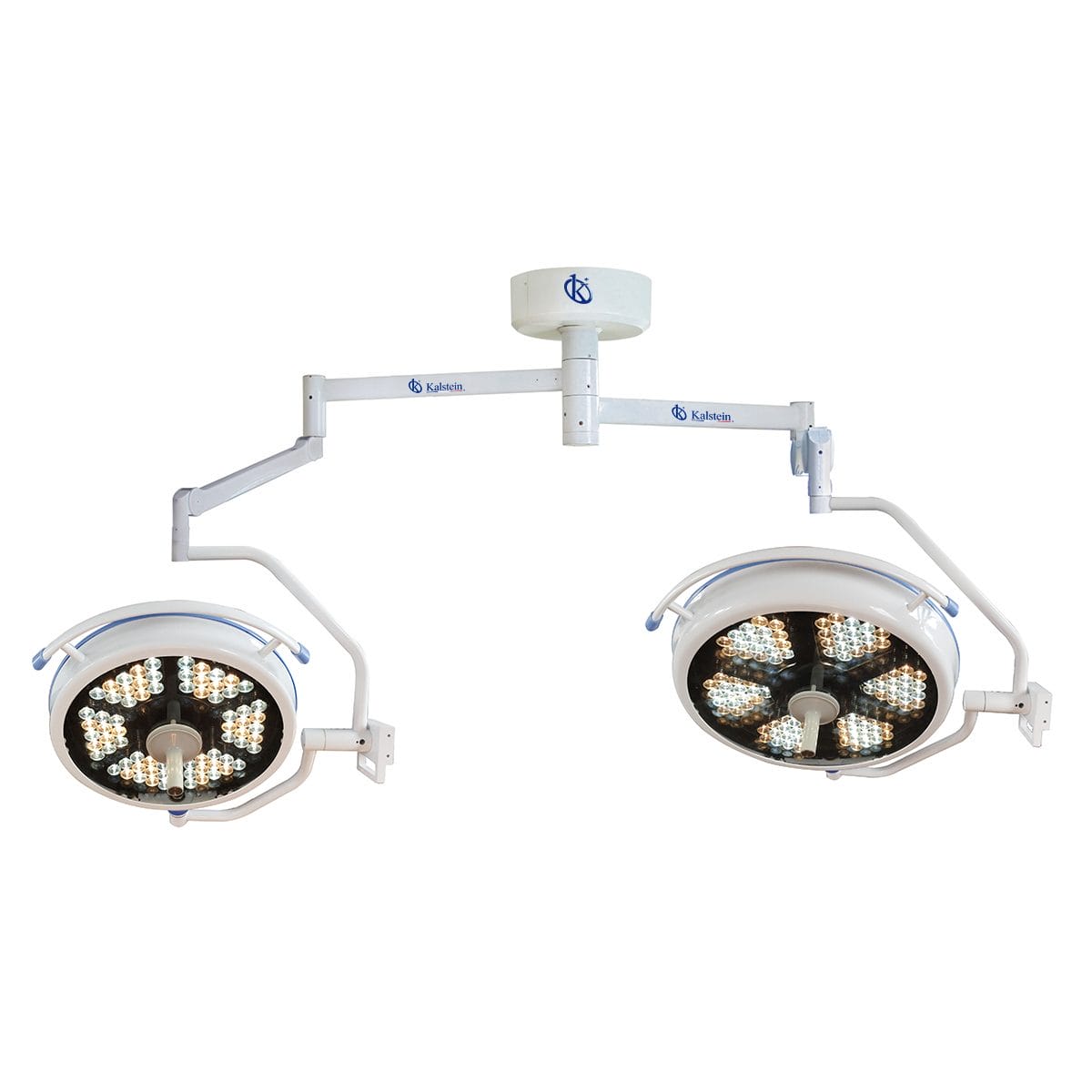
How to Ensure Predictive Maintenance and Periodic Calibration of Veterinary Operating Lamps
In veterinary practices, reliable lighting is crucial for successful surgical outcomes. Veterinary operating lamps provide the necessary illumination for surgeons to perform complex procedures effectively. Given their significant role, it is essential to implement predictive maintenance and establish periodic calibration protocols. This article delves into how these practices can enhance the performance and reliability of veterinary operating lamps.
Understanding Predictive Maintenance and Calibration
Predictive maintenance involves using data-driven techniques to predict when equipment will fail so that maintenance can be performed just in time to avoid unexpected downtimes. In contrast, periodic calibration ensures that the operating lamps maintain their illumination standards, which is critical in surgical settings. By integrating both practices, veterinary facilities can enhance operational efficiency while ensuring compliance with health standards.
Importance of Predictive Maintenance for Veterinary Operating Lamps
Implementing predictive maintenance strategies for veterinary operating lamps involves monitoring the performance parameters that can indicate potential failures. Key factors include light intensity, color temperature, and operational hours. By leveraging this information, veterinary facilities can schedule maintenance activities before any critical failures occur, enhancing the safety and reliability of surgical operations. This proactive approach not only minimizes repair costs but also extends the lifespan of the equipment.
Calibration Standards for Veterinary Operating Lamps
Periodic calibration of veterinary operating lamps is essential for ensuring compliance with relevant standards such as ISO 15004, which governs the performance of medical lighting devices. Calibrating the lamps helps to validate that they provide the correct levels of illuminance and color rendering index (CRI) necessary for surgical procedures. Regular checks and calibrations are not merely regulatory requirements but essential practices that contribute to patient safety and optimal surgical outcomes.
Key Performance Indicators (KPIs) for Maintenance and Calibration
To effectively measure the efficiency of predictive maintenance and calibration, veterinary facilities should consider the following KPIs:
- Mean Time Between Failures (MTBF): Measures the average time between failures, indicating the reliability of the lamps.
- Mean Time To Repair (MTTR): Measures the average time taken to repair the lamps, helping to evaluate maintenance efficiency.
- Calibration Interval: The time period between calibration checks, which should be determined based on usage and manufacturer recommendations.
Comparison of Available Models
| Model | Illuminance (Lux) | Temperature Range (K) | Price (USD) | Best for |
|---|---|---|---|---|
| YR06115 | ≥160,000 | 3800±500 to 5000±500 | 3400.00 | Complex surgeries |
| YR06116 | 160,000 | 3500 to 5000 | 2100.00 | General surgery |
| YR06117 | 40,000~160,000 | 3000~6700 | 1300.00 | Flexible positioning |
| YR06118 | 40,000~160,000 | 3000~6700 | 1300.00 | Wall-mounted flexibility |
| YR06119 | ≥100,000 | 4800±300 | 550.00 | Minor operations |
| YR06120 | ≥50,000 | 4800±200 | 450.00 | Deep illumination |
Common Mistakes and How to Avoid Them
Many veterinary facilities overlook the importance of maintaining and calibrating their operating lamps. Common mistakes include neglecting regular checks, failing to document maintenance activities, and not training staff on the correct usage and handling of equipment. To avoid these pitfalls, it is essential to establish a routine maintenance schedule, maintain accurate records of calibrations, and provide training sessions for all staff members who interact with the equipment.
Frequently Asked Questions
How often should veterinary operating lamps be calibrated for optimal performance?
Veterinary operating lamps should be calibrated at least once a year or every 1,000 operational hours, whichever comes first. Models like YR06115 provide a high illuminance of ≥160,000 Lux, necessitating regular checks to ensure compliance with standards and optimal lighting during complex surgeries.
What predictive maintenance strategies can be implemented for veterinary lamps?
Predictive maintenance for veterinary operating lamps involves monitoring usage data and performance metrics. For example, the YR06116 model can be tracked for its illuminance levels and maintenance logs to predict the best times for service, thus reducing unexpected failures during critical procedures.
Which calibration standards apply to veterinary operating lamps like the YR06117?
The YR06117 model must meet standards such as ISO 15004, which outlines requirements for medical lighting devices. Regular calibration ensures that its illuminance and color temperature settings remain consistent to support safe and effective surgical practices.
What are the benefits of using LED veterinary operating lamps?
LED veterinary operating lamps, such as the YR06115, offer numerous benefits including lower energy consumption, longer lifespan, and minimal heat output. These features are crucial in maintaining a comfortable environment in the operating room while ensuring high-quality illumination.
How can I determine the right model for my veterinary practice?
Choosing the right model depends on the specific needs of your practice. For instance, the YR06119 model is excellent for minor operations with an illuminance of ≥100,000 Lux, while the YR06115 suits complex surgeries requiring higher light levels and advanced features.
What is the average lifespan of veterinary operating lamps like YR06120?
The YR06120 model has a lifespan of approximately 30,000 hours when using LED bulbs. Regular maintenance and calibration can help extend this lifespan, ensuring the lamp remains reliable for surgical procedures over time.
What factors should influence the calibration schedule for operating lamps?
Calibration schedules should be influenced by usage frequency, type of surgery performed, and manufacturer recommendations. For example, high-use lamps like the YR06116 may require more frequent checks compared to lower-use models to ensure consistent performance.
How does the illuminance level affect surgical outcomes?
Illuminance levels directly impact surgical outcomes as they affect visibility and precision during operations. High illuminance, such as that provided by the YR06115 model (≥160,000 Lux), is essential for complex surgeries, ensuring that surgeons can see fine details clearly for better results.
If you are looking for a fusion of innovation and quality, you have come to the right place. At Kalstein, we offer you the luxury of exploring our exclusive catalog of laboratory equipment. We manufacture every device to the highest standards of excellence. Our intuitive and seamless online purchasing channels are designed for your convenience, securing the most competitive prices. Hesitate no longer — we bring science to life, it is time to become part of our community.