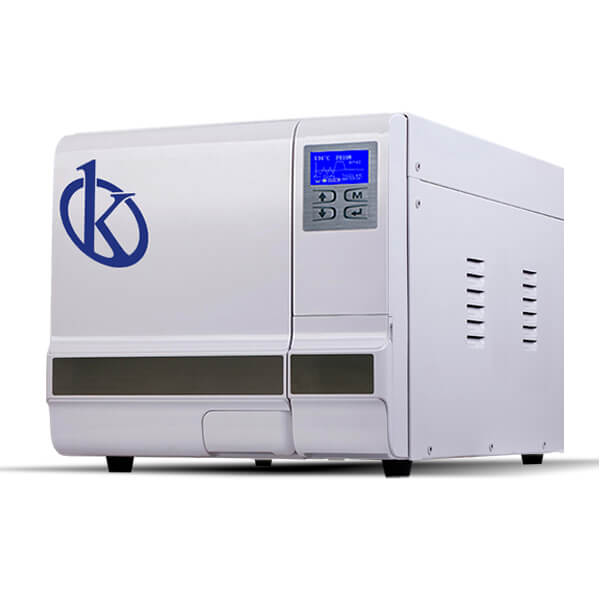
Ensuring Regulatory Compliance with ISO/IEC Standards in Horizontal Autoclaves
In laboratory environments, adherence to ISO/IEC norms is critical for ensuring safety and effectiveness in sterilization processes. Horizontal autoclaves, such as the Class B Table Autoclave models, play a pivotal role in meeting these standards. This article delves into how these autoclaves support compliance, focusing on the ISO 17025 standard and its implications for laboratory practices.
Understanding ISO/IEC Standards for Laboratories
The ISO/IEC standards provide a framework that laboratories must follow to ensure the quality and reliability of their services. Specifically, ISO 17025 outlines the requirements for the competence of testing and calibration laboratories. Compliance not only enhances the credibility of lab results but also helps in maintaining international standards of practice.
Key ISO/IEC Standards Relevant to Horizontal Autoclaves
Several ISO/IEC standards are relevant when evaluating horizontal autoclaves:
- ISO 17025: Addresses the general requirements for the competence of testing and calibration laboratories.
- ISO 15189: Specifies requirements for quality and competence in medical laboratories.
- IEC 61010: Covers the safety requirements for electrical equipment used in laboratory environments.
- IVDR: Regulates in vitro diagnostic medical devices ensuring safety and efficacy.
How Horizontal Autoclaves Support ISO 17025 Compliance
Horizontal autoclaves such as the Class B Table Autoclave YR03387 and YR03389 are designed with features that facilitate compliance with ISO 17025. They provide precise temperature and pressure control critical for effective sterilization, which is necessary for maintaining the integrity of test results.
Moreover, these autoclaves offer record-keeping capabilities that document each sterilization cycle. These records serve as essential evidence during audits and inspections, ensuring laboratories can demonstrate their compliance with ISO standards.
Audit Checklists for ISO Compliance in Autoclave Operations
Implementing a robust audit checklist is essential for ensuring compliance with ISO 17025. The following checklist can help laboratory professionals maintain compliance when operating horizontal autoclaves:
- Verify calibration status of temperature and pressure sensors.
- Ensure proper maintenance and servicing records are up to date.
- Review sterilization cycle records for adherence to protocols.
- Conduct operator training sessions focused on compliance standards.
- Regularly assess the autoclave’s performance against ISO benchmarks.
Traceability and Documentation Requirements
Traceability is a crucial aspect of ISO compliance. Laboratories must maintain accurate records of all sterilization processes. Horizontal autoclaves such as the Class B Table Autoclave YR03390 are equipped with user-friendly interfaces that facilitate easy documentation of every sterilization cycle.
The importance of documentation cannot be overstated; it serves as proof of compliance during inspections and audits. Laboratories should ensure that all records are easily accessible and stored securely to comply with ISO standards.
Comparison of Available Models
| Model | ISO/IEC Clauses Covered | Traceability Features | Best For |
|---|---|---|---|
| YR03387 | ISO 17025, IEC 61010 | Automated cycle logging | Small laboratories, tattoo studios |
| YR03388 | ISO 15189, ISO 17025 | Real-time monitoring | Beauty salons, veterinary practices |
| YR03389 | ISO 17025, IVDR | Cycle performance records | Medical facilities |
| YR03390 | ISO 17025, IEC 61010 | Audit-ready documentation | Research laboratories |
| YR03385C | ISO 17025, IEC 61010 | Data logging features | High-volume clinics |
| YR03385B | ISO 15189, IVDR | Detailed cycle logs | Testing laboratories |
Common Mistakes and How to Avoid Them
Laboratories often encounter issues related to compliance due to several common mistakes. Here are some of the most frequent pitfalls:
- Inadequate Training: Failing to train staff adequately on ISO requirements can lead to non-compliance.
- Poor Maintenance Records: Not keeping up-to-date maintenance logs can hinder compliance during audits.
- Ignoring Calibration: Neglecting regular calibration of instruments, including autoclaves, can affect results.
Best Practices for Operational Efficiency
To maximize the efficiency of horizontal autoclaves while ensuring compliance with ISO/IEC standards, laboratories should consider the following best practices:
- Schedule routine maintenance checks to ensure optimal performance.
- Utilize pre-programmed sterilization cycles to maintain consistency.
- Implement a monitoring system for tracking sterilization results and compliance.
Frequently Asked Questions
How do horizontal autoclaves help with ISO 17025 compliance?
Horizontal autoclaves like the Class B Table Autoclave YR03387 provide precise control over sterilization parameters, which is essential for complying with ISO 17025. They ensure accurate temperature and pressure levels are maintained, resulting in reliable sterilization and documented cycle records necessary for audits.
What features should I look for in a compliant horizontal autoclave?
When selecting a compliant horizontal autoclave, look for models such as the YR03389 that offer automated documentation, precise control mechanisms, and robust performance tracking. These features ensure adherence to ISO standards and facilitate easier compliance during inspections.
Which horizontal autoclave model is best for small laboratories?
The Class B Table Autoclave YR03387 is ideal for small laboratories due to its compact size and automated features, making it easy to achieve compliance with ISO 17025 without occupying excessive space.
What documentation is required for ISO 17025 compliance in autoclaves?
ISO 17025 compliance requires documentation of all sterilization cycles, maintenance records, and calibration logs. Autoclaves like the YR03390 assist by providing automated cycle logging, ensuring all necessary documentation is readily available for audits.
How often should I calibrate my horizontal autoclave?
Calibration of horizontal autoclaves, such as the YR03385C, should typically occur at least once a year, or more frequently if the autoclave is used extensively. Regular calibration is essential for compliance with ISO 17025 standards.
What is the role of automated logging in compliance?
Automated logging features in models like the YR03388 play a crucial role in compliance by providing accurate and tamper-proof documentation of each sterilization cycle, which is required for ISO 17025 compliance and necessary during regulatory audits.
How does operator training impact compliance with ISO standards?
Operator training is critical for compliance with ISO standards. Models like the YR03389 often come with user manuals that can aid in training, ensuring that operators understand how to use the autoclave correctly and adhere to all compliance protocols.
What should I do if my autoclave fails to meet compliance standards?
If a horizontal autoclave like the YR03390 fails to meet compliance standards, immediate steps should be taken to identify the issue, such as reviewing calibration logs or performing maintenance. Corrective actions are vital to ensure compliance with ISO 17025.
If you are looking for a fusion of innovation and quality, you have come to the right place. At Kalstein, we offer you the luxury of exploring our exclusive catalog of laboratory equipment. We manufacture every device to the highest standards of excellence. Our intuitive and seamless online purchasing channels are designed for your convenience, securing the most competitive prices. Hesitate no longer — we bring science to life, it is time to become part of our community.