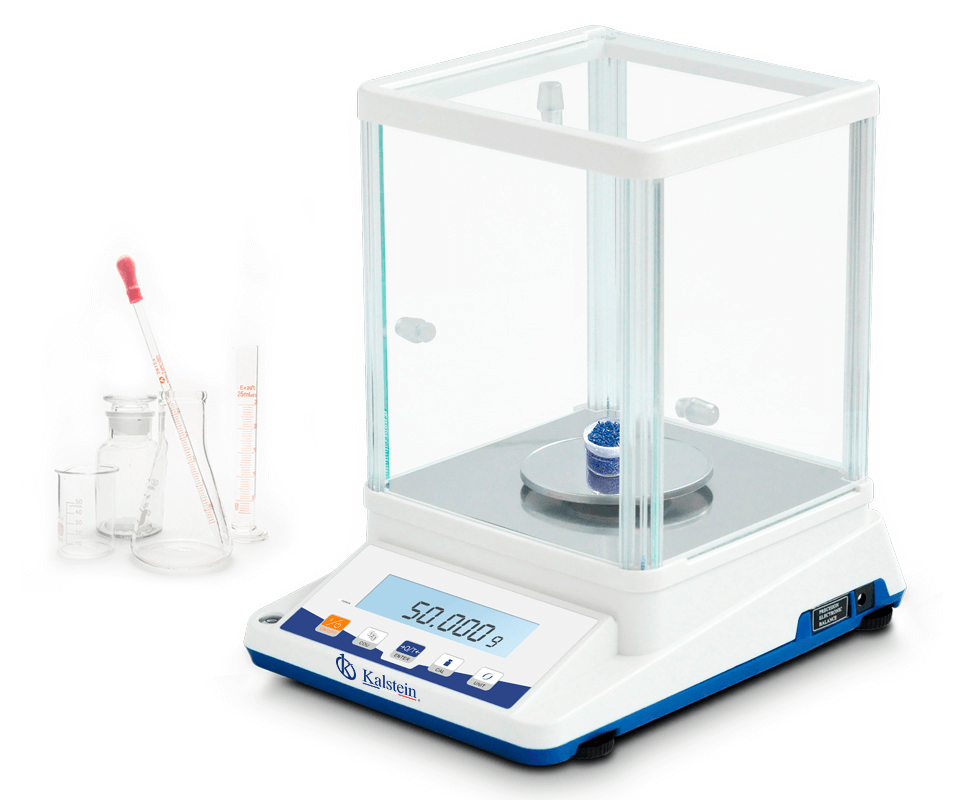
How to Ensure Regulatory Compliance with ISO/IEC Standards Using Precision Balances
In laboratory settings, compliance with ISO/IEC standards is vital for ensuring quality and reliability. Precision balances play a crucial role in achieving these compliance requirements. This article explores the significance of ISO/IEC standards, how precision balances help in adhering to these regulations, and offers a comparison of various precision models tailored for laboratory professionals.
The Importance of ISO/IEC Standards in Laboratories
ISO (International Organization for Standardization) and IEC (International Electrotechnical Commission) standards are essential frameworks that guide laboratories in maintaining quality and operational excellence. Compliance with these standards not only ensures the integrity of laboratory results but also builds trust with stakeholders. Core standards such as ISO/IEC 17025 focus on the competence of testing and calibration laboratories, emphasizing the need for precise and reliable measurements.
How Precision Balances Contribute to Compliance
Precision balances are critical in laboratories as they provide accurate weight measurements, which are essential for compliance with ISO/IEC standards. The precision of these balances minimizes errors in measurement, which is crucial for maintaining quality control. By ensuring that the balances are regularly calibrated and maintained, laboratories can demonstrate compliance with standards like ISO/IEC 17025.
Overview of ISO/IEC 17025 Compliance Requirements
ISO/IEC 17025 outlines the general requirements for the competence of testing and calibration laboratories. Key clauses include management requirements, technical requirements, and the need for documented procedures. Laboratories must establish a quality management system, ensure proper equipment calibration, and maintain detailed records of all measurements.
Calibration and Traceability in Precision Balances
Calibration plays a pivotal role in ensuring that precision balances provide accurate measurements. According to ISO/IEC 17025, all equipment must be calibrated using traceable standards. Precision balances like the YR05584 and YR05585 come equipped with external calibration features, ensuring that laboratories can maintain traceability and compliance.
Comparison of Available Models
| Model | Capacity (g) | Readability (g) | Best for |
|---|---|---|---|
| YR05584 | 110 | 0.001 | Fine measurements in small samples |
| YR05585 | 210 | 0.001 | Routine laboratory tasks |
| YR05586 | 310 | 0.001 | Balancing various laboratory materials |
| YR05587 | 610 | 0.001 | Heavy samples requiring precision |
| YR05588 | 210 | 0.01 | Basic laboratory measurements |
| YR05589 | 310 | 0.01 | General weighing tasks |
Common Mistakes and How to Avoid Them
Laboratories often face challenges in maintaining compliance with ISO/IEC standards. Common mistakes include inadequate calibration schedules, lack of training for personnel, and failure to document procedures. To avoid these pitfalls, laboratories should implement regular training sessions, maintain a strict calibration schedule, and ensure comprehensive documentation practices are in place.
Frequently Asked Questions
What are the key ISO/IEC standards for laboratory precision balances?
ISO/IEC 17025 is the primary standard for laboratory precision balances, which focuses on quality and competence. Models like YR05584 must be calibrated to meet these standards, ensuring reliable measurements essential for compliance.
How can precision balances assist in meeting ISO/IEC 17025 requirements?
Precision balances like YR05585 provide accurate and reliable measurements, essential for compliance with ISO/IEC 17025. Regular calibration and maintenance of these balances ensure laboratories meet the standard's requirements for measurement accuracy.
Which precision balance is best for meeting calibration requirements?
The YR05586 is an excellent choice for meeting ISO/IEC calibration requirements due to its high readability of 0.001g and capacity of 310g, making it suitable for precise laboratory tasks.
Why is traceability important in laboratory measurements?
Traceability ensures that measurements can be linked to recognized standards, which is crucial for compliance with ISO/IEC 17025. Precision balances like YR05587 provide features that support traceability through external calibration options.
How does regular calibration affect laboratory compliance?
Regular calibration of precision balances is essential for maintaining compliance with ISO/IEC standards. Balances like YR05588 offer external calibration, ensuring accurate measurements critical for reliability and compliance.
What documentation is required for ISO/IEC 17025 compliance?
Documentation for ISO/IEC 17025 compliance includes calibration records, measurement procedures, and quality management system documents. Precision balances such as YR05589 help maintain accurate records through their data logging features.
If you are looking for a fusion of innovation and quality, you have come to the right place. At Kalstein, we offer you the luxury of exploring our exclusive catalog of laboratory equipment. We manufacture every device to the highest standards of excellence. Our intuitive and seamless online purchasing channels are designed for your convenience, securing the most competitive prices. Hesitate no longer — we bring science to life, it is time to become part of our community.