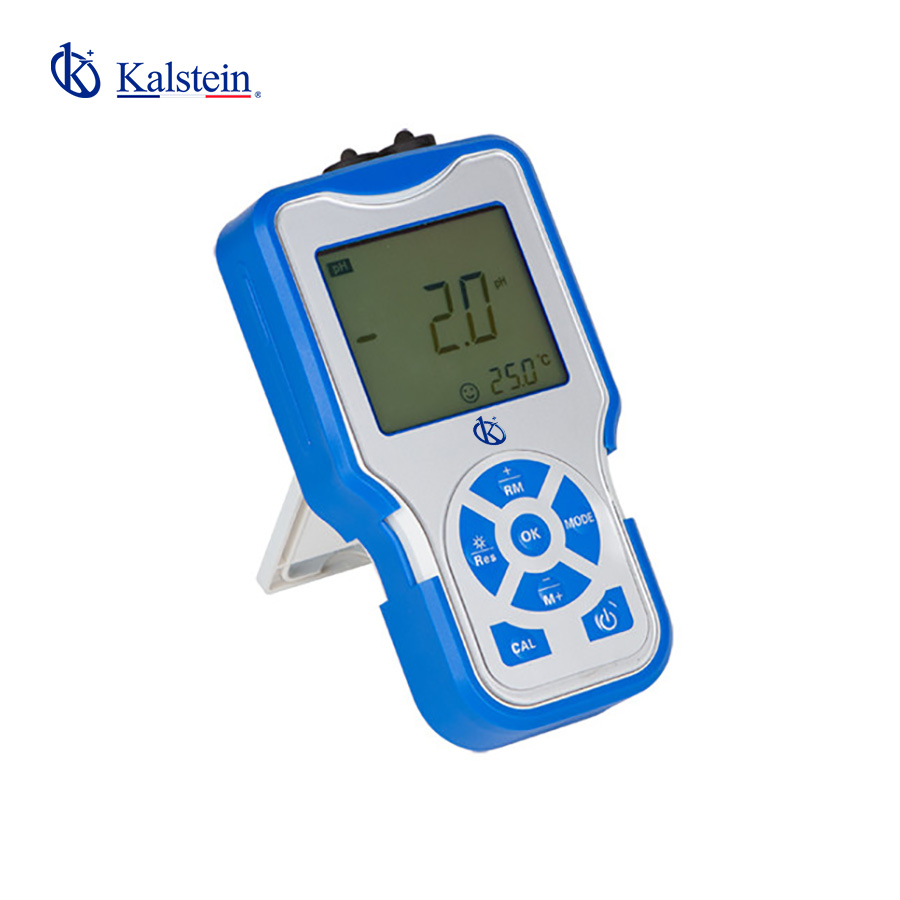
Evaluating Return on Investment and Cost-Benefit Analysis for Portable Ion Meters in Laboratories
In modern laboratories, especially those operating under stringent regulations, understanding the return on investment (ROI) and conducting a thorough cost-benefit analysis for equipment, such as portable ion meters, is crucial. This article delves into how laboratory professionals can assess the financial implications of purchasing and utilizing portable ion meters, highlighting specific models and their features alongside quantitative breakdowns.
Understanding ROI and Cost-Benefit Analysis in Laboratory Settings
ROI measures the profitability of an investment, while cost-benefit analysis helps in evaluating the overall value of purchasing lab equipment. For portable ion meters, these analyses are not only about simple costs but also about efficiency gains, improved accuracy, and compliance with regulations. Understanding these concepts is essential for making informed decisions that can improve laboratory performance.
Key Factors Influencing ROI for Portable Ion Meters
When evaluating ROI for portable ion meters, several factors come into play:
- Initial Costs: The purchase price of the ion meter.
- Operational Costs: Costs related to maintenance, calibration, and consumables.
- Efficiency Gains: Time saved due to faster and more accurate measurements.
- Regulatory Compliance: Avoiding penalties through adherence to standards.
Quantifying the Benefits of Portable Ion Meters
To quantify the benefits provided by portable ion meters, one must evaluate the efficient measurement capabilities against their costs. For instance, using the Portable pH/Ion Meter YR01816 offers multiple calibration points and a high level of accuracy, translating to reliable results that can enhance productivity.
Comparison of Available Models
| Model | Initial Cost (USD) | Calibration Points | Accuracy | Best for |
|---|---|---|---|---|
| YR01816 | 94.00 | 2-5 | ± 0.5% F.S. | General ion measurements |
| YR01817-1 | 229.00 | 2-5 | ± 0.5% F.S. | Outdoor ammonium measurements |
| YR01817-10 | 500.00 | 2-5 | ± 0.5% F.S. | Professional ammonium analyses |
| YR01817-11 | 500.00 | 2-5 | ± 0.5% F.S. | Professional ammonium analyses |
| YR01817-12 | 500.00 | 2-5 | ± 0.5% F.S. | Professional ammonium analyses |
| YR01817-13 | 500.00 | 2-5 | ± 0.5% F.S. | Professional ammonium analyses |
Common Mistakes and How to Avoid Them
Laboratories often make critical mistakes in assessing the ROI of portable ion meters:
- Neglecting Total Cost of Ownership: Focusing solely on purchase price without considering maintenance and operational costs.
- Ignoring Calibration Needs: Underestimating the importance of regular calibration, which affects accuracy and compliance.
- Failing to Evaluate Different Models: Not comparing multiple models like the YR01817-1 and YR01816 based on features that fit specific lab needs.
Assessing the Cost-Benefit Ratio
To accurately assess the cost-benefit ratio for portable ion meters, labs should analyze the following:
- Initial investment compared to the expected return in terms of efficiency and compliance.
- Ongoing costs for consumables and maintenance against the time saved in daily operations.
- Projected penalties avoided due to compliance with regulatory standards.
Detailed Breakdown of Costs and Benefits for Portable Ion Meters
Here’s a detailed cost-benefit breakdown for selected models:
| Model | CAPEX (USD) | OPEX (Annual USD) | Expected Payback Period (Months) | Recommended Scenario |
|---|---|---|---|---|
| YR01816 | 94.00 | 200.00 | 12 | Small labs requiring basic ion measurements |
| YR01817-1 | 229.00 | 250.00 | 18 | Field measurements in environmental studies |
| YR01817-10 | 500.00 | 300.00 | 15 | Professional applications needing high precision |
| YR01817-11 | 500.00 | 300.00 | 15 | High-volume ammonium testing |
| YR01817-12 | 500.00 | 300.00 | 15 | High-volume ammonium testing |
| YR01817-13 | 500.00 | 300.00 | 15 | High-volume ammonium testing |
Frequently Asked Questions
How can a portable ion meter improve laboratory efficiency?
A portable ion meter, like the YR01816, enhances laboratory efficiency by providing quick and accurate measurements, minimizing time spent on sample analysis. With its capability to calibrate between 2 to 5 points, it reduces the need for multiple instruments, streamlining workflows in various lab settings.
What is the average payback period for using portable ion meters in labs?
The average payback period for portable ion meters ranges from 12 to 18 months, depending on the model. For example, the YR01816 has a payback period of about 12 months, making it a cost-effective option for small labs focused on ion measurements.
Which portable ion meter offers the best accuracy for ammonium measurements?
The YR01817-1 model provides excellent accuracy for ammonium measurements, with a precision of ± 0.5% F.S. This makes it an ideal choice for laboratories needing reliable field data in environmental studies.
What are the operational costs associated with portable ion meters?
Operational costs for portable ion meters can vary widely. For instance, the YR01817-1 has estimated annual OPEX of around $250, which includes calibration and maintenance costs, crucial for maintaining accuracy and compliance in laboratory settings.
How do calibration points affect the accuracy of portable ion meters?
Calibration points play a significant role in the accuracy of portable ion meters. More calibration points, like the 2 to 5 options available on the YR01816, allow for finer adjustments and improvements in measurement accuracy, thereby enhancing overall reliability in laboratory testing.
Can portable ion meters comply with ISO standards?
Yes, portable ion meters such as the YR01817-1 can comply with ISO standards if they are properly calibrated and maintained. Compliance ensures that the data collected is reliable and meets industry regulations, which is essential for laboratories involved in quality control.
What considerations should I make when choosing a portable ion meter?
When selecting a portable ion meter, consider factors such as initial cost, accuracy, calibration capabilities, and operational costs. Models like the YR01816 are budget-friendly, while options like the YR01817-1 offer advanced features, suitable for specific applications.
How do I calculate the ROI for a portable ion meter?
To calculate ROI for a portable ion meter, compare the total costs (CAPEX and OPEX) against the benefits derived from improved accuracy and efficiency. For instance, the YR01817-10, with a CAPEX of $500, could yield significant time savings, leading to a favorable ROI.
If you are looking for a fusion of innovation and quality, you have come to the right place. At Kalstein, we offer you the luxury of exploring our exclusive catalog of laboratory equipment. We manufacture every device to the highest standards of excellence. Our intuitive and seamless online purchasing channels are designed for your convenience, securing the most competitive prices. Hesitate no longer — we bring science to life, it is time to become part of our community.