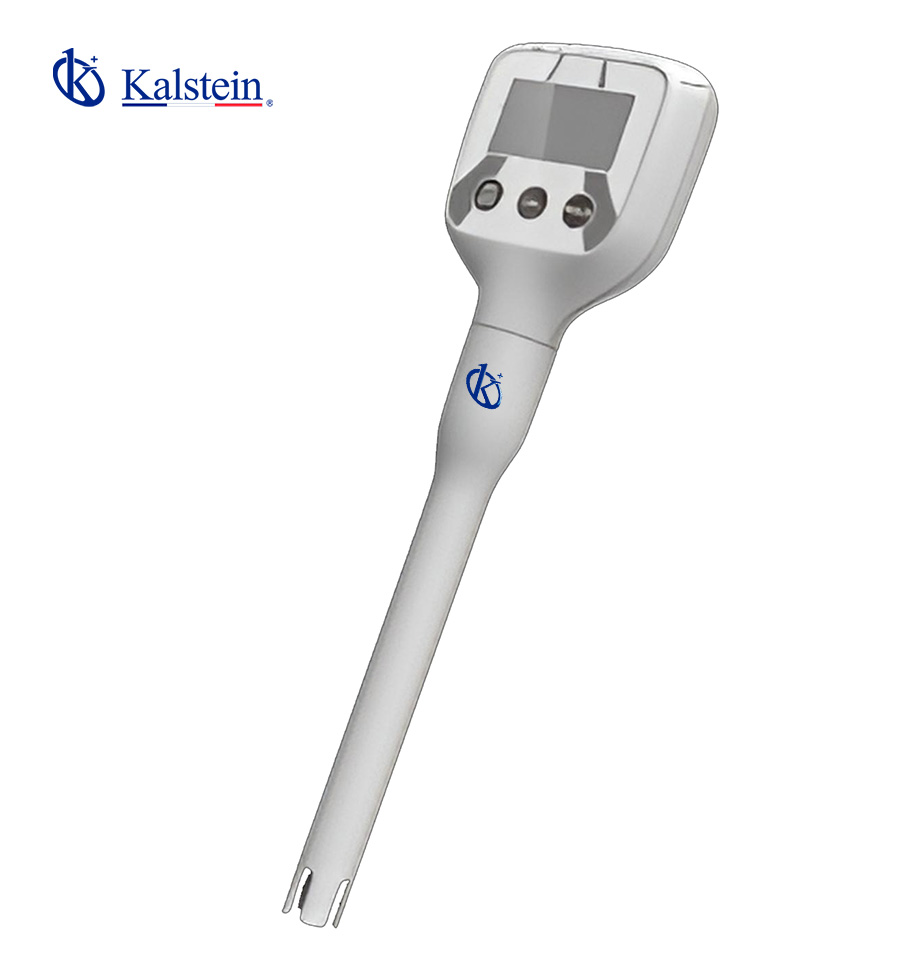
Understanding ROI and Cost-Benefit Analysis for Portable Conductivity Meters
Portable conductivity meters are essential tools in various laboratory settings, allowing for accurate and immediate measurement of conductivity in liquids. Understanding the return on investment (ROI) and the cost-benefit analysis of these instruments can significantly influence purchasing decisions and operational efficiency. This article will delve into the different aspects of ROI related to several portable conductivity meters, evaluating their features, performance, and overall value for laboratory professionals.
What is ROI and Why is it Important for Portable Conductivity Meters?
Return on investment (ROI) is a performance measure used to evaluate the efficiency or profitability of an investment. In the context of portable conductivity meters, ROI helps laboratory managers assess whether the financial benefits gained from using a specific model outweigh the costs associated with its purchase and operation. Understanding ROI enables labs to make informed decisions regarding equipment investment, ensuring that resources are allocated effectively.
Key Factors Influencing ROI for Portable Conductivity Meters
Several factors contribute to the ROI of portable conductivity meters. These include initial purchase costs, operating expenses (OPEX), maintenance costs, calibration expenses, and the number of tests performed. By analyzing these variables, laboratory professionals can determine the payback period and overall financial return from their investment.
Comparison of Available Models
| Model | CAPEX (USD) | Cost per Test (USD) | Payback Period (months) | Recommended Scenario |
|---|---|---|---|---|
| YR01805 | 24.00 | 0.10 | 2 | Field testing in low-volume labs |
| YR01806 | 149.00 | 0.30 | 6 | Educational institutions and research labs |
| YR01808 | 59.00 | 0.20 | 4 | Versatile applications in various conditions |
| YR01809 | 62.00 | 0.25 | 5 | Quality control in manufacturing |
| YR01810 | 65.00 | 0.30 | 6 | Environmental monitoring and research |
| YR01811 | 50.00 | 0.15 | 3 | Low concentration liquid measurements |
Assessing Operating Costs and Savings
Operating costs play a critical role in determining the overall ROI of a portable conductivity meter. Factors such as calibration frequency, the cost of replacement parts, and reagent consumption should be evaluated. For instance, the YR01806 model offers advanced functionality with smart features, potentially reducing costs associated with manual calibration and increasing efficiency for educational and research laboratories.
Quantitative Breakdown of Cost per Test
Calculating the cost per test for each model is essential for understanding the economic feasibility of a portable conductivity meter. The average costs derived from the table above provide insight into each model's profitability. For example, the YR01805 model offers a cost per test of only $0.10, making it an attractive option for low-volume testing environments.
Common Mistakes and How to Avoid Them
When selecting portable conductivity meters, laboratory professionals often make several common mistakes, such as not thoroughly considering the specific needs of their laboratory or overlooking long-term operating costs. To avoid these issues, it's crucial to conduct a comprehensive needs assessment and budget for maintenance and calibration expenses. Additionally, comparing models and their features based on specific laboratory requirements will lead to more informed purchasing decisions.
Frequently Asked Questions
What is the average ROI for portable conductivity meters in laboratory settings?
The average ROI for portable conductivity meters varies by model, with the YR01805 showing an excellent ROI due to its low CAPEX of $24.00 and a short payback period of just 2 months, making it ideal for budget-conscious laboratories.
How do I calculate the cost per test for my portable conductivity meter?
To calculate the cost per test, divide the total operating costs by the number of tests performed in a given time frame. For instance, if you use the YR01806 model, which costs $149.00, and you perform 500 tests, the cost per test would be $0.30.
What factors should I consider for ROI when purchasing a portable conductivity meter?
Key factors include initial purchase price, ongoing maintenance costs, calibration expenses, and expected usage frequency. Models like YR01810 and YR01811 can provide good ROI due to their versatility and reliability in various environments.
How often should I calibrate my portable conductivity meter for optimal performance?
Calibration frequency depends on the model and the conditions of use. For instance, the YR01806 has an automated calibration feature that simplifies the process, making it suitable for frequent calibration in research laboratories.
What are the best scenarios for using portable conductivity meters?
Portable conductivity meters are best used in field testing, quality control in manufacturing, and environmental monitoring. The YR01808 model is particularly versatile for different applications due to its multi-range capabilities.
How can I optimize the cost-benefit analysis for my laboratory's conductivity meter investment?
To optimize your cost-benefit analysis, evaluate total costs, operating expenses, and potential savings from increased efficiency. Models like YR01810, with low operating costs, provide beneficial insights for long-term savings.
What is the impact of automation on the ROI of portable conductivity meters?
Automation can significantly enhance the ROI of portable conductivity meters by reducing manual labor and minimizing human error. Models with smart features like the YR01806 can streamline processes, leading to better results and operational savings.
How do different conductivity meter models compare in terms of overall value?
Comparing models like YR01805 and YR01809 based on cost, functionality, and application can highlight their overall value. Each model serves distinct laboratory needs, making it essential to align features with specific requirements.
If you are looking for a fusion of innovation and quality, you have come to the right place. At Kalstein, we offer you the luxury of exploring our exclusive catalog of laboratory equipment. We manufacture every device to the highest standards of excellence. Our intuitive and seamless online purchasing channels are designed for your convenience, securing the most competitive prices. Hesitate no longer — we bring science to life, it is time to become part of our community.