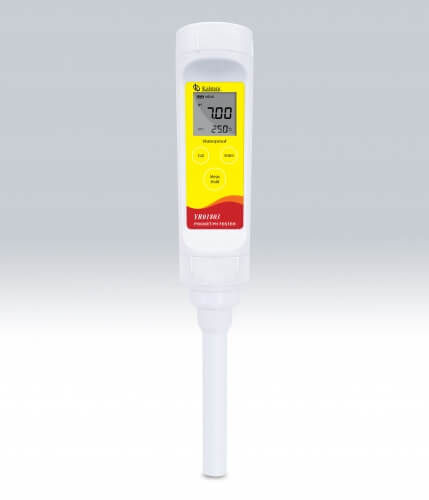
How to Evaluate ROI and Cost-Benefit Analysis for Portable pH Meters
In laboratory settings, the choice of equipment significantly impacts the overall efficiency and effectiveness of operations. Among the essential tools are portable pH meters, which are widely used for measuring acidity and alkalinity in various samples. This article focuses on the return on investment (ROI) and cost-benefit analysis associated with these portable pH meters, providing insights into how to make informed purchasing decisions.
Understanding the Importance of ROI in Laboratory Equipment
Return on investment (ROI) is a crucial metric in evaluating the performance of laboratory equipment. It measures the financial benefits gained from an investment relative to its cost. For laboratories, understanding ROI helps in justifying purchases, optimizing budgets, and ensuring that expenditures contribute to improved operational efficiency.
When it comes to portable pH meters, calculating ROI involves assessing the costs associated with the purchase, maintenance, and operation of the device, against the benefits it provides, such as time savings, improved accuracy, and reduced waste. By analyzing these factors, laboratory professionals can identify which models deliver the best value over time.
Cost-Benefit Analysis for Portable pH Meters
A cost-benefit analysis (CBA) allows laboratories to systematically evaluate the financial implications of acquiring portable pH meters. It involves comparing the total expected cost of the asset against the anticipated benefits.
In this analysis, several key components must be considered:
- Initial Costs: Purchase price, setup, and calibration expenses.
- Operating Costs: Maintenance, calibration, and consumables required for operation.
- Benefits: Enhanced accuracy, reduced testing time, and improved productivity.
Performing a detailed CBA aids in making data-driven decisions regarding the acquisition of portable pH meters.
Key Metrics for ROI Calculation
To effectively calculate ROI for portable pH meters, laboratory professionals should focus on several key metrics:
- Payback Period: The time it takes for the investment to pay for itself through cost savings or additional revenue.
- Cost per Test: Analyzing the expense incurred for each measurement taken with the pH meter.
- Utilization Rate: How frequently the pH meter is used in daily operations, impacting its cost-effectiveness.
These metrics help in quantifying the overall value derived from investing in portable pH meters.
Comparison of Available Models
| Model | CAPEX (USD) | Cost per Test (USD) | Payback (months) | Recommended Scenario |
|---|---|---|---|---|
| YR01803 | 77.00 | 0.30 | 6 | Small scale laboratories |
| YR01804 | 75.00 | 0.28 | 5 | Field and outdoor testing |
| YR01800 | 18.00 | 0.25 | 4 | Budget-conscious labs |
| YR01800-1 | 24.00 | 0.26 | 4 | Mobile applications |
| YR01802 | 94.00 | 0.35 | 7 | High-precision requirement labs |
| YR01802-1 | 72.00 | 0.30 | 6 | Research and Development |
Common Mistakes and How to Avoid Them
When investing in portable pH meters, laboratory professionals often encounter several common pitfalls. Recognizing these mistakes can prevent costly errors in choosing the right equipment:
- Underestimating Total Costs: Failing to account for ongoing operational expenses can mislead budget planning.
- Neglecting Calibration Needs: Choosing models without considering their calibration requirements can affect accuracy and reliability.
- Ignoring User Feedback: Not considering reviews and experiences from other laboratories may result in suboptimal equipment choices.
Addressing these issues requires thorough research and consideration of the specific needs of the laboratory.
Exploring the Technical Features of Portable pH Meters
Different portable pH meters come equipped with various technical features that can influence their performance and suitability for specific applications. Understanding these features is essential for making informed decisions:
- Calibration Points: Models like YR01803 allow for 1 to 3 point calibration, providing flexibility in measurement accuracy.
- Temperature Compensation: Automatic temperature compensation ensures accurate results across varying conditions.
- Durability: Models like YR01800 feature IP57 ratings, indicating resistance to water and dust, suitable for rugged environments.
Assessing these features helps determine which portable pH meter best aligns with laboratory requirements.
Maximizing Operational Efficiency with Portable pH Meters
Portable pH meters can significantly enhance operational efficiency in laboratories. By providing quick and accurate pH measurements, laboratories can reduce the time spent on testing and increase throughput. With models like YR01804 designed for field use, scientists can gather crucial data on-site, minimizing delays associated with transporting samples back to the laboratory.
Implementing these devices effectively supports better decision-making and streamlines laboratory processes.
Frequently Asked Questions
What is the expected ROI from investing in portable pH meters?
The expected ROI from investing in portable pH meters like the YR01803 can vary based on usage. Generally, a well-utilized meter can achieve a payback period of 6 months, depending on its cost-efficiency and operational needs.
How do I choose the right portable pH meter for my laboratory?
Choosing the right portable pH meter involves evaluating models such as YR01800 based on factors like accuracy, calibration range, and suitability for specific samples, ensuring they meet your laboratory's needs.
What are the ongoing costs associated with portable pH meters?
Ongoing costs for portable pH meters, including the YR01804, often encompass calibration supplies, maintenance, and consumables, which can amount to around $0.28 per test, depending on usage.
Which portable pH meter is best for field applications?
The YR01804 is an excellent choice for field applications due to its manual temperature compensation and lightweight design, making it suitable for on-site testing in various environments.
How often should I calibrate my portable pH meter?
Calibration frequency for portable pH meters like the YR01802 should be based on usage and the specific laboratory protocols, but generally, calibration every 1-3 weeks is recommended to ensure accuracy.
What features to look for in a portable pH meter for high-precision measurements?
For high-precision measurements, look for portable pH meters with features like multiple calibration points and automatic temperature compensation, such as the YR01802, which offers 1 to 3 point calibration for enhanced accuracy.
How do portable pH meters contribute to laboratory efficiency?
Portable pH meters contribute to laboratory efficiency by reducing measurement time and allowing real-time analysis on-site, particularly models like YR01804 designed for fast, accurate readings in various conditions.
What is the lifespan of portable pH meters like the YR01800?
The lifespan of portable pH meters such as the YR01800 can vary, but with proper maintenance and care, they can last several years, providing consistent reliability in measurements.
If you are looking for a fusion of innovation and quality, you have come to the right place. At Kalstein, we offer you the luxury of exploring our exclusive catalog of laboratory equipment. We manufacture every device to the highest standards of excellence. Our intuitive and seamless online purchasing channels are designed for your convenience, securing the most competitive prices. Hesitate no longer — we bring science to life; it is time to become part of our community.