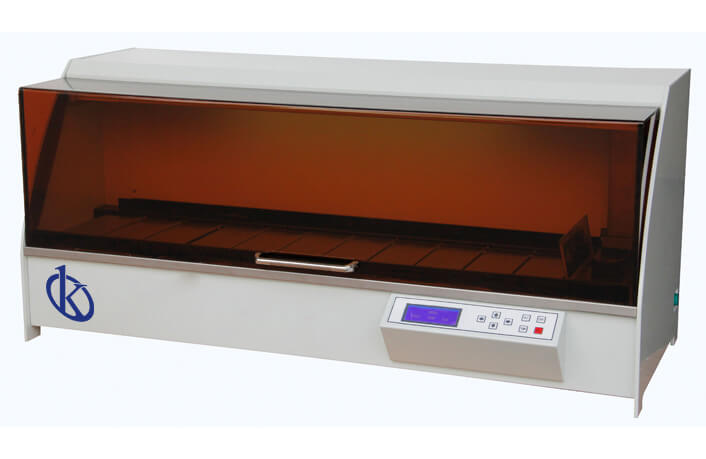
How to Analyze ROI and Cost-Benefit for Tissue Processors in Laboratories
In the competitive landscape of laboratory operations, understanding the return on investment (ROI) and cost-benefit analysis for tissue processors is paramount. These machines are essential for preparing specimens for pathological examination, and a rigorous evaluation can illuminate the best options for laboratories of varying sizes and budgets. This article will delve into how to effectively analyze ROI and conduct a cost-benefit analysis specifically tailored for tissue processors.
Understanding the ROI and Cost-Benefit Analysis in Laboratory Operations
ROI is a critical financial metric used to evaluate the efficiency of an investment. In laboratory settings, calculating ROI involves understanding the initial capital expenditure (CAPEX), operating expenses (OPEX), and the revenue generated through improved throughput and quality. Cost-benefit analysis, on the other hand, goes beyond mere numbers, taking into account the tangible and intangible benefits derived from using specific equipment.
For tissue processors, this means not only analyzing the purchase price but also considering factors such as energy efficiency, reagent consumption, maintenance costs, and the resultant quality of laboratory outputs. Therefore, a comprehensive analysis must incorporate both quantitative metrics and qualitative benefits to make informed purchasing decisions.
Comparison of Available Models
| Model | CAPEX (USD) | Cost per Test | Payback (months) | Recommended Scenario |
|---|---|---|---|---|
| YR431-1 | 11000.00 | 15.00 | 12 | Medium to large labs focusing on high throughput |
| YR436-2 | 4400.00 | 20.00 | 8 | Small labs with budget constraints |
| YR427 | 2600.00 | 25.00 | 6 | Small labs needing cost-effective solutions |
| YR428 | 2900.00 | 22.00 | 7 | Labs prioritizing quality with limited space |
| YR429 | 3300.00 | 18.00 | 9 | Medium labs focusing on quality and space savings |
Key Factors in ROI Calculation for Tissue Processors
The ROI calculation for tissue processors should encompass several factors, including the initial purchase price, the expected lifespan of the equipment, and the potential increase in throughput. For example, a tissue processor like the YR431-1, with a CAPEX of $11,000, offers a higher capacity and efficiency, potentially leading to a lower cost per test, which could significantly improve ROI over time.
Additionally, consider the maintenance costs associated with each model. Some models might offer lower upfront costs but incur higher operating expenses due to frequent repairs or inefficient operations. Therefore, an accurate ROI assessment must factor in these ongoing costs to present a realistic financial picture.
Operational Efficiency and Cost Reduction Strategies
Investing in a tissue processor that optimizes operational efficiency can significantly impact ROI. Strategies for reducing costs include selecting models that minimize reagent waste and energy consumption. For instance, the YR428 is designed with energy-efficient features that can decrease operational costs over time, making it an attractive option for budget-conscious laboratories.
Another critical area is the automation capabilities of the models. Automated tissue processors like the YR429 can reduce the need for manual intervention, resulting in lower labor costs and fewer human errors, further enhancing cost savings and productivity.
Common Mistakes and How to Avoid Them
When analyzing ROI and conducting cost-benefit analyses, laboratories often make common errors that can lead to suboptimal purchasing decisions. One frequent mistake is neglecting to consider the total cost of ownership (TCO), which includes not only the purchase price but also maintenance, consumables, and energy costs.
Another pitfall is failing to account for the qualitative benefits of investing in higher-quality tissue processors. While a lower-cost option may seem appealing, it might compromise on the quality of specimens, affecting diagnostic accuracy and potentially leading to higher costs in the long run.
Frequently Asked Questions
What is the average ROI for investing in a tissue processor like YR431-1?
The average ROI for investing in a tissue processor like YR431-1 can be around 12 months, considering its high throughput and efficiency in processing samples, leading to lower costs per test.
How do I calculate the cost per test for a model like YR428?
To calculate the cost per test for the YR428, divide the total operational costs by the number of tests processed over a specific period. This model's efficiency can lower overall costs significantly.
What factors should I consider for cost-benefit analysis of tissue processors?
Key factors to consider include initial CAPEX, operational costs, maintenance expenses, and the quality improvements associated with each model's performance, such as those seen with YR431-1.
How does the energy consumption of YR436-2 compare to other models?
The YR436-2 is designed for energy efficiency, often consuming less energy compared to older models, making it a cost-effective option for laboratories focused on reducing operational costs.
What maintenance costs should I expect for the automated YR429 model?
The automated YR429 model is known for its reliability, but maintenance costs typically range between $300-$500 annually, depending on usage and specific service needs.
How can I improve the ROI of my tissue processor investments?
Improving ROI can be achieved by selecting high-efficiency models like YR431-1 that reduce operational costs and increase throughput while focusing on minimizing reagent waste.
What is the payback period for a small lab using YR427?
The payback period for a small lab using the YR427 is estimated at around 6 months due to its low initial cost and efficient processing capabilities.
How does the YR428 enhance sample quality in histopathology labs?
The YR428 enhances sample quality by providing precise temperature control and extended processing times, which improve specimen integrity for histopathological assessments.
If you are looking for a fusion of innovation and quality, you have come to the right place. At Kalstein, we offer you the luxury of exploring our exclusive catalog of laboratory equipment. We manufacture every device to the highest standards of excellence. Our intuitive and seamless online purchasing channels are designed for your convenience, securing the most competitive prices. Hesitate no longer — we bring science to life, it is time to become part of our community.