Maximizing ROI and Cost-Benefit Analysis in Veterinary Laparoscopy Systems
In the evolving field of veterinary medicine, the adoption of cutting-edge technologies like veterinary laparoscopy systems is paramount for enhancing surgical outcomes and improving operational efficiency. With a variety of models available, veterinary practices face the challenge of determining which systems deliver the highest return on investment (ROI) and the most favorable cost-benefit ratio. This article aims to provide a comprehensive analysis of the financial implications associated with different models, ensuring that veterinary professionals make informed decisions.
Understanding ROI in Veterinary Laparoscopy Systems
Return on Investment (ROI) is a critical financial metric that evaluates the efficiency of an investment. In the context of veterinary laparoscopy systems, ROI can be calculated by comparing the profits generated from the procedures facilitated by these systems against their costs. Factors such as the initial investment, ongoing operational costs, and the number of procedures performed will influence the overall ROI. Accurate assessment of these factors can lead to enhanced financial decision-making.
Initial Investment
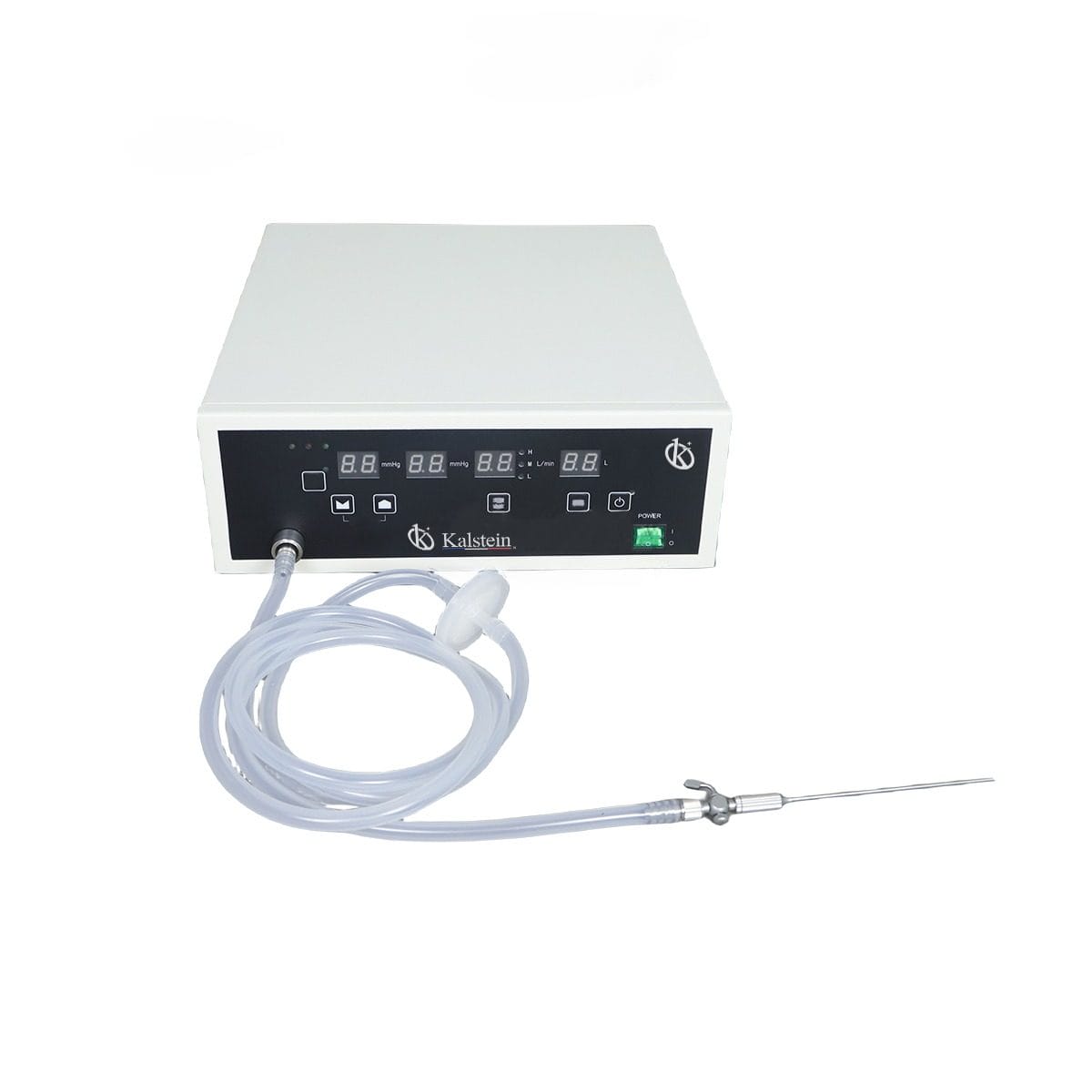
The initial investment includes the acquisition costs of the laparoscopy system, which can vary significantly between models. For instance, the Veterinary CO2 Insufflator YR06157 is priced at $1900, while the Mobile High-Definition Endoscopic Imaging System, 26-inch YR06156 costs $7700. Understanding these price points is essential when calculating ROI.
Operational Costs
Operational costs encompass consumables, maintenance, and energy consumption associated with the use of the system. Different laparoscopy models have varying operational efficiency, which can affect long-term expenses. For example, the Veterinary CO2 Insufflator YR06158, priced at $3000, boasts a high flow capacity and low noise, potentially reducing operational costs over time.
Cost-Benefit Analysis of Veterinary Laparoscopy Systems
Cost-benefit analysis (CBA) is instrumental in evaluating the overall value of investing in veterinary laparoscopy systems. By comparing the expected benefits (both financial and operational) to the costs, practices can identify which systems offer the best value.
Benefits of Veterinary Laparoscopy Systems
- Enhanced Surgical Precision: Laparoscopy systems facilitate minimally invasive procedures, reducing recovery time and improving outcomes.
- Increased Procedure Volume: The efficiency of these systems allows for a higher number of procedures to be performed in a given timeframe.
- Client Satisfaction: Offering advanced surgical options can boost client loyalty and attract new clients seeking state-of-the-art care.
Quantifying Benefits
To quantify the benefits, practices should track key performance indicators (KPIs) such as the average number of procedures performed per week and the average profit per procedure. This data can provide insights into how quickly the system pays for itself through increased revenue.
Comparison of Available Models
| Model | Initial Cost (USD) | Flow Rate (L/min) | Best Use Case |
|---|---|---|---|
| YR06157 | 1900 | 4/6/10 | Small animal surgeries |
| YR06156 | 7700 | — | High-definition imaging |
| YR06158 | 3000 | 2-40 | Wide range of laparoscopic procedures |
Common Mistakes and How to Avoid Them
Many veterinary practices fall into common traps when investing in laparoscopy systems. Here are some mistakes and strategies to avoid them:
- Ignoring Total Cost of Ownership: Focus solely on the purchase price can lead to overlooking essential operational costs. Make sure to account for maintenance, consumables, and training.
- Underestimating Training Needs: Investing in new technology without proper training can hamper efficiency. Ensure your team is adequately trained to maximize the system’s capabilities.
Frequently Asked Questions
How can I calculate the ROI of my veterinary laparoscopy systems?
To calculate ROI, divide the net profit generated from laparoscopic procedures by the total investment cost, including both initial and operational expenses. For instance, if you invest in the Veterinary CO2 Insufflator YR06157 at $1900 and generate $5000 in profit within a year, your ROI would be approximately 163%.
Which veterinary laparoscopy system offers the best cost-benefit analysis?
The Veterinary CO2 Insufflator YR06158, priced at $3000, provides a high flow rate (2-40 L/min) and reliable performance, making it an excellent option for maximizing benefits versus investment costs.
What are the main financial metrics to consider for veterinary surgical equipment?
Key financial metrics include initial acquisition cost, ongoing operational expenses, average revenue per procedure, and overall ROI. Each metric offers insights into the financial feasibility of a system, helping you to choose wisely.
How does increased procedure volume affect ROI in veterinary practices?
Higher procedure volumes lead to increased revenue, thereby improving ROI. Systems like the Mobile High-Definition Endoscopic Imaging System YR06156 enable greater throughput due to their efficiency, making them financially attractive options.
What role does training play in maximizing the benefits of laparoscopy systems?
Proper training ensures that veterinary staff can operate the laparoscopy systems efficiently, reducing errors and maximizing throughput. Investing in training significantly enhances the return on investment for systems like the Veterinary CO2 Insufflator YR06157.
How can the choice of laparoscopy model impact operational efficiency?
Choosing a model with the right specifications can significantly enhance operational efficiency. For example, the Veterinary CO2 Insufflator YR06158 allows for a wide range of procedures while maintaining safe operational standards, making it crucial for high-volume practices.
What factors influence the long-term cost of veterinary surgical systems?
Long-term costs are influenced by maintenance needs, equipment lifespan, consumables, and the training of staff. For example, consistent maintenance of the Mobile High-Definition Endoscopic Imaging System YR06156 can ensure prolonged efficiency.
How do I ensure I am making a well-informed investment in veterinary laparoscopy systems?
Conduct a thorough analysis of costs, potential benefits, and the specific needs of your practice. Utilizing tools like cost-benefit analysis alongside insights from systems such as the Veterinary CO2 Insufflator YR06157 can provide clarity on your investment decisions.
If you are looking for a fusion of innovation and quality, you have come to the right place. At Kalstein, we offer you the luxury of exploring our exclusive catalog of laboratory equipment. We manufacture every device to the highest standards of excellence. Our intuitive and seamless online purchasing channels are designed for your convenience, securing the most competitive prices. Hesitate no longer — we bring science to life, it is time to become part of our community.