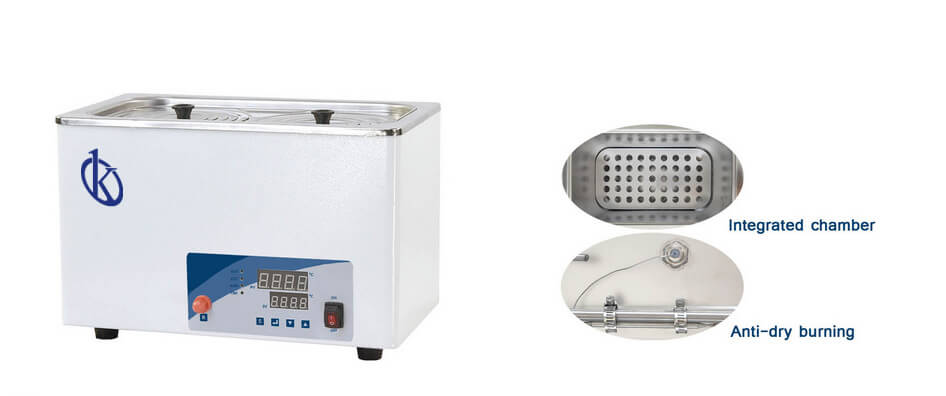
Understanding ROI and Cost-Benefit Analysis for Water Baths in Laboratories
Water baths are essential equipment in laboratories, utilized in various applications such as sample preparation, incubation, and maintaining specific temperatures. However, the acquisition and operational costs associated with water baths require a thorough ROI and cost-benefit analysis. This article delves into the financial implications and operational efficiencies of multiple water bath models, aiding laboratory professionals in making informed purchasing decisions.
Framing the Focus: ROI and Cost-Benefit of Water Baths
In today's laboratory environment, understanding the return on investment (ROI) and cost-benefit of equipment like water baths is crucial for optimizing budgets and improving operational efficiency. The initial capital expenditure (CAPEX), ongoing operational expenditure (OPEX), and the benefits gained from increased efficiency and productivity must all be evaluated. Water baths, particularly models such as YR05073 and YR05074, offer various features that can influence both their purchase and operational costs. The analysis of these factors not only aids in justifying the investment but also in understanding potential savings over time.
Comparison of Available Models
| Model | CAPEX (USD) | Cost per test | Payback (months) | Recommended scenario |
|---|---|---|---|---|
| YR05073 | 67.00 | Variable based on use | 2-3 | Small labs with low to moderate volume |
| YR05074 | 80.00 | Variable based on use | 2-4 | Labs needing versatility with glassware |
| YR030L | 602.00 | Variable based on use | 6-12 | Medium to large institutions with high throughput |
| YR05001 | 1974.00 | Variable based on use | 12-18 | High-performance applications requiring precise temperature control |
| YR05002 | 2646.00 | Variable based on use | 12-18 | Advanced research laboratories needing extensive temperature range |
| YR05003 | 2982.00 | Variable based on use | 12-20 | Complex operations with varied temperature requirements |
Analyzing Cost Factors in Water Bath Usage
To perform a detailed cost-benefit analysis when selecting a water bath, it's important to consider both direct and indirect costs. Direct costs include the purchase price, maintenance fees, and energy consumption. Indirect costs can stem from downtimes caused by equipment failures or inefficiencies. By calculating the total cost of ownership (TCO) over the expected lifespan of the water bath, laboratory managers can better understand the financial impact of their equipment choices.
Direct Costs Overview
The direct costs associated with water baths generally encompass initial capital costs, installation, and ongoing operational expenses. For example:
- Initial purchase price (e.g., YR05073 at $67.00)
- Annual maintenance costs (estimations can vary based on model and usage)
- Energy consumption costs based on wattage (e.g., YR05073 uses 300W)
Indirect Costs Overview
Indirect costs often arise from inefficiencies in operation, such as:
- Downtime due to equipment failure
- Inconsistent temperature control affecting sample quality
- Increased labor hours needed to manage equipment
Common Mistakes and How to Avoid Them
Laboratories often make critical errors when assessing ROI and cost-benefit analyses for water baths. Here are some common pitfalls and strategies to avoid them:
- Neglecting Total Cost of Ownership: Only focusing on initial purchase price can lead to underestimating long-term costs. Always calculate TCO.
- Overlooking Maintenance Costs: Failing to consider maintenance can skew ROI calculations. Include regular upkeep in your budget.
- Ignoring User Training: Proper training reduces errors and extends equipment lifespan. Factor training costs into your budget.
- Not Analyzing Efficiency: Regularly review operational data to identify inefficiencies that could lead to higher costs.
Impact of Technological Features on ROI
The operational capabilities of water baths significantly affect both performance and ROI. Features such as PID control, temperature ranges, and safety mechanisms can enhance efficiency and reduce costs. For example, the YR05073 model offers precise PID control at ±0.5°C, which ensures consistent results, minimizing waste and rework costs associated with failed experiments.
Temperature Control Efficiency
Consistent temperature control is crucial in laboratory settings. The YR05074 model, with its advanced PID control, reduces fluctuation and provides reliable conditions for sensitive experiments. Therefore, investing in such technology can lead to savings over time due to fewer failed experiments and shorter processing times.
Energy Consumption Metrics
Energy-efficient models, such as the YR05073, can lead to substantial savings. By evaluating the energy consumption in relation to performance output, laboratories can identify efficient options that reduce overall operational costs. For instance, a model consuming 300W may result in lower utility bills compared to higher-wattage alternatives.
Setting Up a Cost-Benefit Analysis Framework
To create a comprehensive cost-benefit analysis framework for water baths, consider the following steps:
- Define the scope of analysis, including all relevant costs and benefits.
- Collect data on expected performance, including volume of use and operational hours.
- Utilize historical data when available to inform estimates.
- Engage stakeholders to ensure all perspectives are considered.
Benefits of Investing in Quality Equipment
Investing in high-quality water baths like the YR030L not only enhances operational efficiency but also improves sample integrity. This results in better research outcomes and can justify higher initial costs through long-term performance gains. Furthermore, laboratories can benefit from enhanced reputations and increased funding opportunities due to superior results.
Frequently Asked Questions
How can I calculate the ROI of a water bath in my lab?
To calculate the ROI of a water bath, consider all associated costs (CAPEX, OPEX) and potential savings from improved efficiency. For instance, models like YR05073 at $67.00 can yield quick returns based on reduced sample failures.
What factors influence the cost per test for water baths?
The cost per test for water baths is influenced by initial purchase price, operational costs, and the number of tests performed. For example, the YR05074 at $80.00 may lower costs significantly in high-volume settings.
Which safety features should I consider for a laboratory water bath?
Safety features such as overcurrent protection and over-temperature alarms are vital. For instance, the YR05073 model includes triple safety precautions, which enhance laboratory safety while minimizing risks.
How does energy efficiency impact the overall cost of water baths?
Energy-efficient models, like the YR05073, can significantly reduce electricity costs, leading to lower operational expenses. Tracking energy usage will help in evaluating long-term savings.
What is the typical payback period for a high-quality water bath?
The payback period for a reliable water bath can vary, but typically ranges from 2 to 12 months, depending on usage. For instance, the YR030L may have a longer payback period due to higher initial investment but provides extensive benefits in a busy laboratory.
How can I ensure compliance with safety standards for water baths?
To ensure compliance, select models that adhere to recognized safety standards. For example, the YR05074 has features that meet strict laboratory safety requirements, ensuring your lab operates safely and efficiently.
What maintenance practices help extend the lifespan of water baths?
Regular maintenance checks, cleaning of components, and prompt attention to any alerts can extend the lifespan of water baths. Following the manufacturer’s guidelines for models like YR05073 is essential for optimal performance.
How can I improve the throughput of my laboratory water baths?
Improving throughput can be achieved by optimizing temperature settings and ensuring rapid recovery times. Models like the YR030L, designed for high-volume operations, help increase productivity in laboratory settings.
If you are looking for a fusion of innovation and quality, you have come to the right place. At Kalstein, we offer you the luxury of exploring our exclusive catalog of laboratory equipment. We manufacture every device to the highest standards of excellence. Our intuitive and seamless online purchasing channels are designed for your convenience, securing the most competitive prices. Hesitate no longer — we bring science to life, it is time to become part of our community.