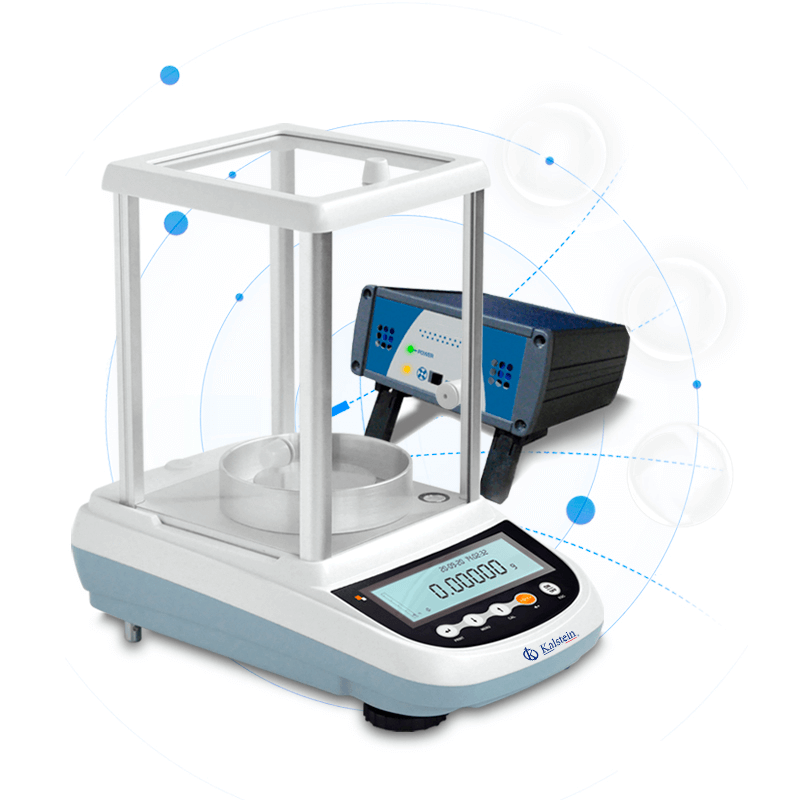
Semimicro Balances: Applications and Techniques 2026
What is it used for in 2026
In 2026, semimicro balances play a crucial role in various laboratory settings, particularly in the fields of research, biotechnology, and academia. These balances are designed to measure small masses with high precision, often down to 0.01 mg. They are essential for applications such as:
- Weighing of small samples for chemical analysis
- Preparation of standard solutions in analytical chemistry
- Pharmaceutical formulation and quality control
- Research involving small biological samples
- Material science applications where precise measurements are critical
History and evolution of the technology
The evolution of semimicro balances has been driven by advancements in technology and the growing need for precision in laboratory measurements. Originally, balances were based on mechanical principles, but with the advent of electronic weighing technology, semimicro balances have transformed significantly. By the late 20th century, features such as internal calibration, digital displays, and improved sensitivity began to emerge. Today, modern semimicro balances incorporate sophisticated electronics, offering automatic calibration, multi-language support, and data storage capabilities, making them more user-friendly and versatile compared to their predecessors.
How to use it step by step
Using a semimicro balance involves several steps to ensure accurate measurements:
- Preparation: Ensure the balance is placed on a stable, vibration-free surface. Allow it to warm up if required.
- Calibration: Perform internal calibration before use, following the manufacturer’s instructions. This ensures accuracy.
- Sample Placement: Use tweezers to handle samples, avoiding direct contact with your hands. This prevents contamination and static interference.
- Weighing: Close the draft shield and wait for the reading to stabilize. Record the weight displayed on the screen.
- Data Entry: If applicable, enter the weight into the software or recipe database.
- Cleanup: After weighing, clean the balance and surrounding area to maintain an unobstructed workspace.
Best techniques and protocols
To achieve the best results with semimicro balances, the following techniques and protocols should be observed:
- Use anti-static devices or ionizers to eliminate static charges from samples.
- Ensure the balance is leveled and calibrated regularly to prevent drift.
- Utilize appropriate weighing techniques, such as tare weighing, to improve measurement accuracy.
- Maintain a clean environment around the balance to prevent contamination.
- Store the balance in a protective case when not in use to minimize damage and dust accumulation.
Practical applications by laboratory type
Semimicro balances find diverse applications across various laboratory types:
Chemistry Laboratories
Used for preparing reagents, measuring chemicals for reactions, and developing methods for analysis.
Pharmaceutical Laboratories
Essential in drug formulation, quality control testing, and research involving small quantities of compounds.
Biotechnology Laboratories
Used for weighing biological samples, preparing cultures, and conducting experiments where precise mass measurements are required.
Academic Research Labs
Facilitate research projects that require meticulous sample preparation and accurate data collection.
Regulations, standards and certifications
In laboratory settings, semimicro balances must comply with specific regulations and standards to ensure reliability and accuracy:
- ISO/IEC 17025: General requirements for the competence of testing and calibration laboratories.
- GLP (Good Laboratory Practice): Ensures consistency and reliability in laboratory results.
- OIML (International Organization of Legal Metrology): Standards that ensure precision in measurement instruments.
Comparison with alternative technologies
When comparing semimicro balances with alternative technologies, such as analytical balances and microbalances, it is essential to note their differences:
- Analytical balances: Generally offer higher capacities and resolutions but may be less suited for extremely small samples.
- Microbalances: Designed for very low weights and high precision, but with limited capacity and higher costs.
Comparison of available models
| Model | Best for | Key specs | Recommended use case |
|---|---|---|---|
| YR05562 | General laboratory use | Capacity: 62g/120g, Resolution: 0.01mg/0.1mg | Routine weighing of small samples |
| YR05563 | Pharmaceutical formulation | Capacity: 82g/220g, Resolution: 0.01mg | Weighing active ingredients |
| YR05564 | Chemical analysis | Capacity: 102g/220g, Resolution: 0.01mg | Preparing chemical solutions |
| YR05565 | Biological sample weighing | Capacity: 122g, Resolution: 0.01mg | Measuring small biological quantities |
| YR05566 | Academic research | Capacity: 162g, Resolution: 0.01mg | Research projects requiring high precision |
| YR05567 | Material science applications | Capacity: 202g, Resolution: 0.01mg | Material property analysis |
Common mistakes and how to avoid them
Several common mistakes can occur when using semimicro balances:
- Not calibrating the balance: Ensure to calibrate before use to maintain accuracy.
- Touching samples with bare hands: Use tweezers to prevent contamination.
- Ignoring environmental factors: Maintain a stable temperature and humidity around the balance.
- Failing to clean the balance: Regularly clean to avoid residue buildup that affects measurements.
Maintenance, calibration and good practices 2026
Maintaining a semimicro balance is vital for consistent performance:
- Regularly check calibration and recalibrate as necessary, ideally at the beginning of each day of use.
- Clean the balance with a soft cloth and appropriate cleaning solutions to prevent contamination.
- Inspect the balance for any physical damages or wear, addressing any issues promptly.
- Keep the balance covered when not in use to prevent dust accumulation.
Cost-benefit analysis 2026
Investing in semimicro balances offers several benefits that outweigh initial costs:
- Precision: They provide highly accurate measurements, reducing errors in experiments.
- Versatility: Suitable for a wide range of applications across various laboratory types.
- Efficiency: Features like internal calibration save time in routine operations.
- Data management: Ability to store and manage data enhances laboratory workflows.
Frequently asked questions
What is the typical lifespan of a semimicro balance?
The lifespan of a semimicro balance can vary depending on usage and maintenance but generally ranges from 5 to 10 years when properly cared for.
How often should I calibrate my semimicro balance?
It is recommended to calibrate your semimicro balance at the beginning of each working day or whenever it has been moved or subjected to temperature variations.
Can semimicro balances measure liquids?
Yes, semimicro balances can measure liquids, but it is essential to use appropriate containers and techniques to avoid spills and ensure accuracy.
What should I do if my balance gives inconsistent readings?
Inconsistent readings may indicate that the balance needs calibration, cleaning, or may be affected by environmental factors. Investigate and correct these issues to restore accuracy.
Are semimicro balances suitable for fieldwork?
While semimicro balances are primarily designed for laboratory use, portable models can be utilized in fieldwork, provided they are handled and stored correctly.
How do I choose the right semimicro balance for my lab?
Consider factors such as capacity, resolution, and specific application needs when selecting a semimicro balance. Assessing your laboratory's requirements will guide you in making the best choice.
What accessories are available for semimicro balances?
Common accessories include anti-static devices, draft shields, and various weighing containers designed to enhance the balance's functionality and improve measurement accuracy.
If you are looking for a fusion of innovation and quality, you have come to the right place. At Kalstein, we offer you the luxury of exploring our exclusive catalog of laboratory equipment. We manufacture every device to the highest standards of excellence. Our intuitive and seamless online purchasing channels are designed for your convenience, securing the most competitive prices. Hesitate no longer — we bring science to life, it is time to become part of our community.