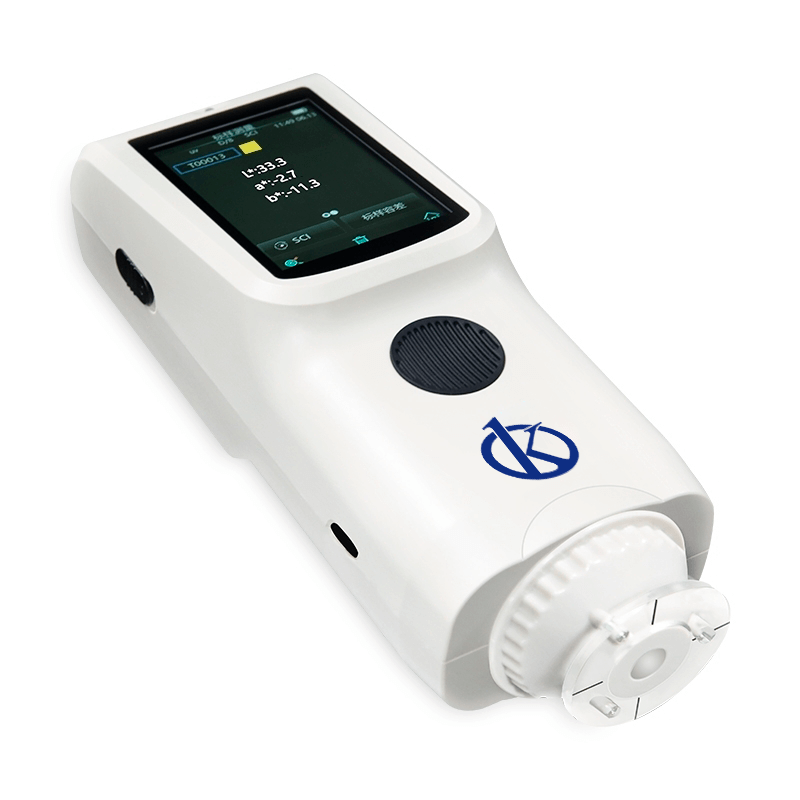
Spectrocolorimeters: Practical Applications and Techniques 2026
Spectrocolorimeters are advanced instruments designed for precise color measurement and quality control across various industries, including research, biotechnology, and academia. These devices provide essential data that aids in analytical processes, ensuring consistency and accuracy in color representation.
What is it used for in 2026
In 2026, Spectrocolorimeters are extensively used in laboratories for applications such as quality assurance in manufacturing, color formulation in cosmetics, paints, and textiles, and scientific research in various fields. They help ensure that products meet specific color standards, which is crucial for customer satisfaction and regulatory compliance. Their ability to provide accurate and reliable color measurements makes them indispensable in laboratories focused on colorimetry and material sciences.
History and evolution of the technology
The evolution of Spectrocolorimeters dates back to early color measurement devices. Initially, simple color matching was done using visual methods, which proved subjective and often inaccurate. Over the decades, advancements in photodetector technology and digital processing have transformed these devices into sophisticated instruments capable of precise measurements. The introduction of sensor arrays and software algorithms has significantly improved the reliability and accuracy of color difference measurements, making modern Spectrocolorimeters essential tools in various fields.
How to use it step by step
Using a Spectrocolorimeter involves several steps to ensure accurate measurements:
- Prepare the Sample: Ensure that the sample is clean and free from contaminants. Place the sample in a holder that is compatible with the spectrocolorimeter.
- Calibrate the Device: Follow the manufacturer's instructions to calibrate the spectrocolorimeter, ensuring that it is set to the appropriate mode for measurements.
- Select Measurement Settings: Choose the appropriate measurement settings, such as geometry and mode (SCI/SCE) depending on the sample and required data.
- Perform the Measurement: Activate the spectrocolorimeter to take the measurement. Ensure that the device is stable and that the sample is properly aligned.
- Record and Analyze Data: Once the measurement is complete, record the data and analyze it using the software or manually compare it with color standards.
- Clean the Device: After use, clean the optics and keep the device in a safe place to ensure longevity and reliability.
Best techniques and protocols
Adopting best practices and protocols enhances the performance of Spectrocolorimeters:
- Routine Calibration: Regular calibration against known standards is crucial for maintaining accuracy.
- Environmental Control: Conduct measurements in a controlled environment to minimize the influence of external light and temperature variations.
- Sample Thickness: For opaque samples, ensure that the thickness is consistent to avoid variations in measurements.
- Use Proper Lighting: Ensure that the device is used under recommended lighting conditions to prevent measurement discrepancies.
- Data Management: Maintain detailed records of measurements and calibrations to track device performance over time.
Practical applications by laboratory type
Different laboratory types utilize Spectrocolorimeters for various applications:
- Research Laboratories: Used for material characterization, quality control, and developing new products.
- Biotechnology: Essential for analyzing bio-samples and ensuring the quality of products such as biopharmaceuticals.
- Textile and Coatings: Used for color formulation and consistency checks in textiles and coatings.
- Food and Beverage: Applied in evaluating the color of food products to maintain quality and consumer appeal.
Regulations, standards and certifications
Spectrocolorimeters must comply with various regulations and standards, including:
- CIE No.15 for colorimetric measurements
- ISO 7724-1 for color measurement in textiles
- ASTM E1164 for color consistency in paints and coatings
- GB/T standards applicable in specific regions for color measurement accuracy.
Comparison with alternative technologies
While Spectrocolorimeters excel in color measurement, it's important to understand how they compare with alternative technologies:
- Colorimeters: Typically less expensive but offer less precision than Spectrocolorimeters, making them suitable for basic applications.
- Visual Assessment: Subjective and can lead to inconsistencies due to human error; best used as a complementary method.
- RGB Sensors: Useful for digital applications but lack the comprehensive color analysis that Spectrocolorimeters provide.
Comparison of available models
| Model | Best for | Key specs | Recommended use case |
|---|---|---|---|
| YR05516 | Precise color measurement in various industries | USD 2570.00, D/8 geometry | Quality control in paint and plastics |
| YR05517 | Robust color analysis for quality assurance | USD 1838.00, D/8 geometry | Measurement in electronic and plastic industries |
| YR05518 | Color control in textiles and coatings | USD 935.00, D/8 geometry | Textile and paint industries |
| YR05519 | General purpose color measurement | USD 623.00, D/8 geometry | Versatile applications in various laboratories |
Common mistakes and how to avoid them
To maximize the effectiveness of using Spectrocolorimeters, avoid these common mistakes:
- Neglecting Calibration: Always calibrate the device before use to ensure accurate measurements.
- Ignoring Environmental Factors: Conduct measurements in a controlled environment to prevent external factors from influencing results.
- Inconsistent Sample Handling: Ensure samples are handled consistently to avoid variations in measurements.
Maintenance, calibration and good practices 2026
To maintain the longevity and accuracy of Spectrocolorimeters:
- Regular Calibration: Follow a schedule for calibration based on usage frequency.
- Cleaning: Regularly clean the optics and external surfaces to prevent contamination.
- Software Updates: Keep the software updated to ensure the latest algorithms and functionalities are available.
Cost-benefit analysis 2026
Investing in a Spectrocolorimeter can provide significant advantages:
- Accuracy: The precision offered by Spectrocolorimeters can result in better quality products and reduced waste.
- Compliance: Adhering to industry standards can save potential costs related to regulatory fines.
- Efficiency: Improved workflows may lead to reduced time in product development and quality assurance processes.
Frequently asked questions
What should I consider when choosing a Spectrocolorimeter?
Consider factors such as the specific applications you need it for, measurement range, accuracy, and compliance with industry standards. Evaluate the features that are most important for your laboratory's needs.
How often should I calibrate my Spectrocolorimeter?
Calibration frequency can depend on usage, but it is generally recommended to calibrate before each use or at least once a day if used frequently.
Can I use a Spectrocolorimeter for different types of materials?
Yes, Spectrocolorimeters are versatile and can measure a wide range of materials, including liquids, solids, and powders, provided they are within the device's measurement capabilities.
What are the necessary environmental conditions for accurate measurements?
Measurements should ideally be taken in a controlled environment, free from direct sunlight, temperature fluctuations, and humidity changes to ensure accuracy.
Are there training resources available for using Spectrocolorimeters?
Yes, many manufacturers provide user manuals and training sessions to help users understand the features and best practices for using Spectrocolorimeters effectively.
How do I maintain my Spectrocolorimeter?
Regular maintenance includes cleaning the optical components, calibrating the device regularly, and following the manufacturer's guidelines for storage and usage.
If you are looking for a fusion of innovation and quality, you have come to the right place. At Kalstein, we offer you the luxury of exploring our exclusive catalog of laboratory equipment. We manufacture every device to the highest standards of excellence. Our intuitive and seamless online purchasing channels are designed for your convenience, securing the most competitive prices. Hesitate no longer — we bring science to life, it is time to become part of our community.