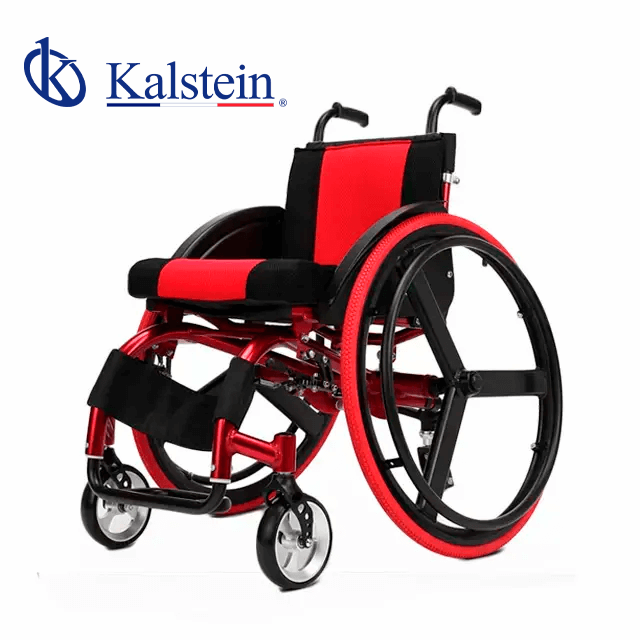
Sports Wheelchairs: Practical Applications and Techniques 2026
The world of sports wheelchairs has evolved significantly, providing individuals with disabilities the opportunity to engage in various sports and activities. This article discusses the practical applications of sports wheelchairs, their history, how to use them, best practices, and comparisons of various models available in 2026.
What is it used for in 2026
In 2026, sports wheelchairs are primarily utilized in competitive sports settings, recreational activities, and rehabilitation programs. They offer enhanced mobility and performance for athletes with physical disabilities, allowing them to participate in sports like basketball, tennis, and racing. Additionally, these wheelchairs can be found in clinical environments that focus on physical therapy and rehabilitation, helping users regain strength and mobility through sport.
History and evolution of the technology
The technology behind sports wheelchairs has come a long way since their inception. Initially, wheelchairs were heavy and cumbersome, limiting mobility and performance. However, advancements in materials such as aluminum and magnesium alloys have led to lighter, more durable designs. The introduction of quick-release wheels and customizable frames has further revolutionized the industry, allowing athletes to tailor their wheelchairs to specific sports and personal preferences.
How to use it step by step
- Select the right model: Choose a sports wheelchair that matches your sport and personal requirements.
- Adjust the fit: Ensure that the seat height, backrest angle, and footrests are set appropriately for optimal comfort and performance.
- Practice maneuvering: Familiarize yourself with the controls, wheel sizes, and weight distribution to improve handling.
- Engage in training: Participate in regular training sessions to enhance your skills and build endurance.
- Seek professional guidance: Work with a coach or therapist for tailored advice on technique and best practices.
Best techniques and protocols
To maximize the benefits of sports wheelchairs, athletes should adopt specific techniques and protocols:
- Regular maintenance: Keep the wheelchair in optimal condition by checking the brakes, tires, and frame regularly.
- Proper ergonomics: Maintain correct posture to avoid strain and enhance efficiency during use.
- Strength training: Incorporate strength training exercises into your routine to improve upper body strength and endurance.
- Technique refinement: Continuously work on improving your maneuvering and racing techniques through practice.
Practical applications by laboratory type
Sports wheelchairs find applications across various laboratory and clinical environments:
- Rehabilitation Centers: Used for therapy sessions focused on improving mobility and strength in patients.
- Sports Clinics: Employed in training athletes with disabilities to enhance their performance.
- Research Facilities: Utilized to study biomechanics and develop better wheelchair designs enhancing user experience.
Regulations, standards and certifications
In 2026, sports wheelchairs must adhere to specific regulations and standards to ensure safety and performance. These may include:
- Compliance with ISO standards for wheelchair manufacturing.
- Certifications from relevant health and safety organizations.
- Regular testing for durability and performance under varying conditions.
Comparison with alternative technologies
While sports wheelchairs are specifically designed for competitive use, alternatives include traditional wheelchairs and power chairs. Key differences include:
- Weight: Sports wheelchairs are lighter, allowing for quicker maneuvers compared to traditional options.
- Design: Sports models have a more streamlined design, tailored for performance, while traditional chairs focus on comfort.
- Cost: Sports wheelchairs often come at a higher price point due to specialized features.
Comparison of available models
| Model | Best for | Key specs | Recommended use case |
|---|---|---|---|
| YR05461 | General sports activities | Width: 38cm, Height: 43cm, Weight: 14.5 kg | Best for athletes requiring a basic yet effective sports wheelchair. |
| YR05462 | Compact storage and transport | Width: 36cm, Height: 48cm, Weight: 11.6 kg | Ideal for users needing a portable option for travel. |
| YR05463 | High-performance sports | Adjustable width: 36/38/40/42cm, Weight: 12 kg | Recommended for competitive athletes needing customized setup. |
Common mistakes and how to avoid them
Several mistakes can hinder the effectiveness of using sports wheelchairs:
- Ignoring fit adjustments: Always ensure the wheelchair is properly adjusted for your body.
- Neglecting maintenance: Regularly check components to prevent malfunctions during use.
- Skipping training: Consistent practice is essential to improve handling and technique.
Maintenance, calibration and good practices 2026
To keep sports wheelchairs in peak condition, adhere to these maintenance practices:
- Check tire pressure regularly for optimal performance.
- Inspect and tighten bolts and screws to ensure stability.
- Store the wheelchair in a dry place to prevent rust and deterioration of materials.
Cost-benefit analysis 2026
The investment in a sports wheelchair can be substantial, but the benefits often outweigh the costs. Factors to consider include:
- Performance improvement: Enhanced mobility leads to better performance in sports.
- Health benefits: Increased physical activity contributes to overall health and well-being.
- Longevity: A high-quality sports wheelchair can last several years with proper maintenance.
Frequently asked questions
How do I choose the right sports wheelchair for my needs?
Select a wheelchair based on the sport you intend to participate in, your physical measurements, and personal preferences for features and adjustments.
What should I consider when adjusting my sports wheelchair?
Focus on seat height, backrest angle, and footrest position to ensure a comfortable and efficient fit.
How often should I maintain my sports wheelchair?
Regular maintenance should be performed at least once a month, or more frequently if used heavily.
Can I use a sports wheelchair for everyday activities?
While sports wheelchairs are designed for performance, they may not be ideal for everyday use due to their specialized design.
What are the benefits of participating in sports using a wheelchair?
Participating in sports fosters physical fitness, enhances social interaction, and promotes mental well-being among individuals with disabilities.
Are there any specific training programs for wheelchair sports?
Many organizations offer structured training programs focusing on the techniques and skills needed for various wheelchair sports.
Where can I find competitive prices for sports wheelchairs?
Request a quote on Kalstein Plus for competitive pricing on a wide range of sports wheelchairs tailored to your needs.
If you are looking for a fusion of innovation and quality, you have come to the right place. At Kalstein, we offer you the luxury of exploring our exclusive catalog of laboratory equipment. We manufacture every device to the highest standards of excellence. Our intuitive and seamless online purchasing channels are designed for your convenience, securing the most competitive prices. Hesitate no longer — we bring science to life, it is time to become part of our community.