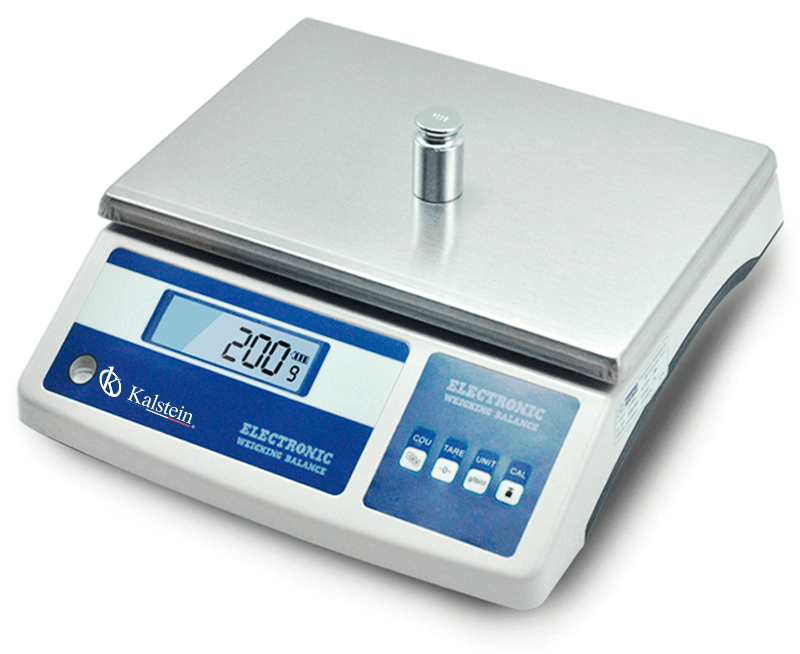
Sustainable Energy Practices in Industrial Balances: Reducing Environmental Footprint
As laboratory professionals strive to meet sustainability goals, industrial balances play a pivotal role in reducing energy consumption and minimizing environmental impact. This article delves into energy-efficient practices, evaluates various models, and identifies the best options to enhance sustainability.
Understanding Energy Efficiency in Industrial Balances
Energy efficiency in industrial balances not only facilitates operational cost reductions but also contributes to the broader goal of environmental sustainability. By selecting models designed to consume less energy and featuring sustainable materials, laboratories can significantly lower their carbon footprint. Key specifications such as power consumption, energy-saving modes, and the use of recyclable materials should be prioritized.
Comparison of Available Models
| Model | Capacity | Legibility | Power Consumption | Best for |
|---|---|---|---|---|
| YR05606 | 11 kg | 1 g | Low | General laboratory use |
| YR05607 | 16 kg | 1 g | Low | Heavy-duty applications |
| YR05608 | 21 kg | 1 g | Moderate | Research laboratories |
| YR05609 | 31 kg | 1 g | Moderate | Industrial settings |
| YR05610 | 5.1 kg | 0.1 g | Low | Small-scale laboratory |
| YR05611 | 11 kg | 0.1 g | Low | Environmental testing |
| YR05612 | 16 kg | 0.1 g | Moderate | Academic research |
| YR05613 | 21 kg | 0.1 g | Low | Quality control |
| YR05614 | 26 kg | 0.1 g | Moderate | Industrial applications |
Implementing Energy-Saving Features
To achieve sustainability, it is crucial to implement energy-saving features in industrial balances. These include automatic shut-off functions, low power modes when not in use, and efficient use of lighting on displays. Selecting balances like the YR05606, which utilizes less energy during operations, can help labs reduce their overall energy spend while promoting eco-friendly practices.
Lifecycle Assessment and Sustainability
Conducting a lifecycle assessment (LCA) of industrial balances helps laboratories understand the environmental impact of their equipment from production to disposal. Models such as the YR05609 provide insight into their longevity and energy use, which can guide purchasing decisions. By choosing models with a low environmental impact, labs can enhance their sustainability efforts.
Water and Reagent Consumption in Balances
While balances are primarily used for weighing, their associated processes may also require water and reagent usage. Reducing these consumptions can lead to a lower environmental footprint. Evaluating models with integrated features that minimize waste, such as the YR05610, can help laboratories achieve their sustainability targets.
Common Mistakes and How to Avoid Them
Many labs overlook the importance of energy-efficient models when purchasing industrial balances. A common mistake is opting for higher capacity without considering energy consumption. It's crucial to opt for models like the YR05612 that offer a balance between capacity and energy efficiency. Another mistake is failing to train staff on proper use to maximize the energy-saving features.
Frequently Asked Questions
How do industrial balances contribute to reducing environmental footprint?
Industrial balances can significantly reduce environmental footprint by incorporating energy-efficient technologies and materials. For instance, models like YR05606 and YR05607 utilize lower energy during operations, contributing to reduced energy consumption in laboratories.
Which industrial balance model is best for energy efficiency?
The YR05610 model is known for its energy-saving features, making it ideal for small-scale laboratories. It offers high precision with low energy consumption, aligning with sustainability goals.
What are the key specifications to look for in sustainable industrial balances?
Key specifications include power consumption, capacity, and energy-saving features. Models like YR05611 offer a good balance of these features, providing a sustainable option for laboratories focused on reducing their environmental impact.
How can I evaluate the lifecycle impact of my industrial balance?
Evaluating the lifecycle impact involves assessing the energy consumption, materials used, and end-of-life disposal of the balance. Models like YR05609 provide data on longevity and energy use that can aid in this assessment.
What energy-saving features should I consider in industrial balances?
Look for automatic shut-off functions, low power modes, and efficient display lighting. The YR05612 model incorporates several energy-saving features that enhance its sustainability.
Which industrial balance models are most suitable for heavy-duty applications?
The YR05607 and YR05609 models are ideal for heavy-duty applications, offering high capacity and robust construction while maintaining energy efficiency.
What common errors do labs make when selecting industrial balances?
Labs often overlook energy efficiency and choose models based only on capacity. It is essential to consider energy consumption as well, such as with the YR05610, which balances both needs effectively.
How does the choice of materials in industrial balances affect sustainability?
The materials used in manufacturing industrial balances can impact their sustainability. Models like the YR05614 utilize recyclable materials, reducing overall environmental impact during production and disposal.
If you are looking for a fusion of innovation and quality, you have come to the right place. At Kalstein, we offer you the luxury of exploring our exclusive catalog of laboratory equipment. We manufacture every device to the highest standards of excellence. Our intuitive and seamless online purchasing channels are designed for your convenience, securing the most competitive prices. Hesitate no longer — we bring science to life, it is time to become part of our community.