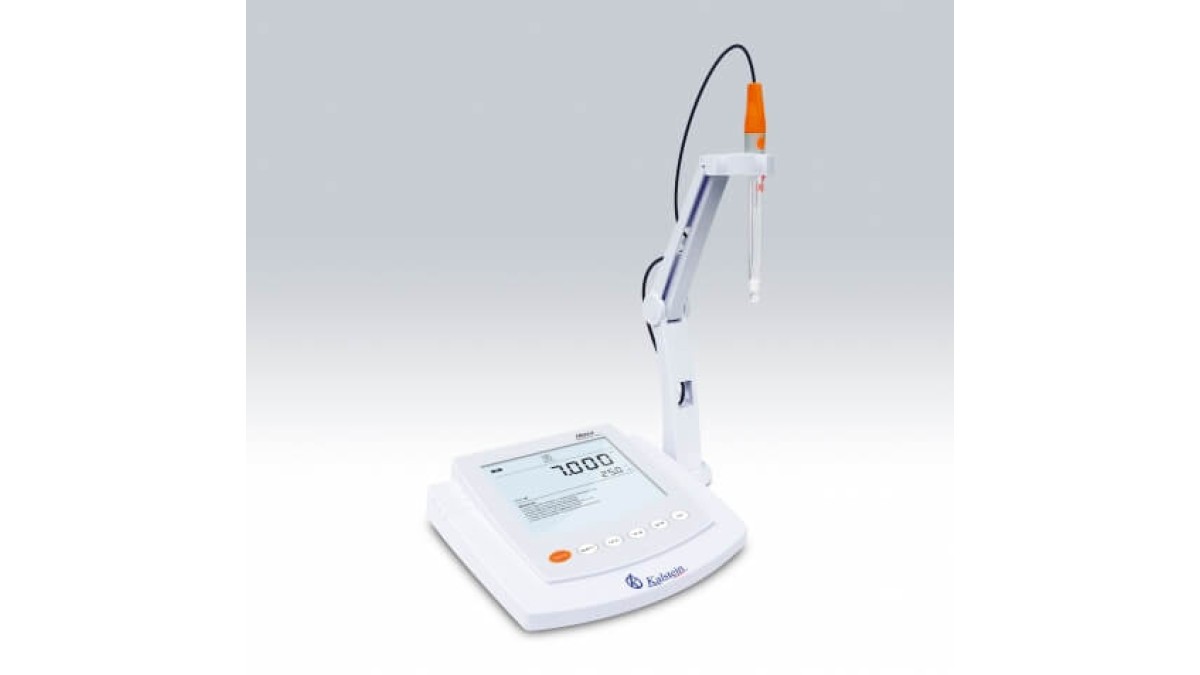
Table Conductivity Controllers: Practical Applications and Techniques 2026
Table conductivity controllers are vital for various laboratory applications in 2026. They measure the conductivity of solutions, which is essential in understanding their ionic content. This article aims to provide laboratory professionals with a comprehensive understanding of how to utilize these instruments effectively, including their applications, best practices, and common pitfalls to avoid.
What is it used for in 2026
In 2026, table conductivity controllers are widely used in laboratories for precise measurement of the electrical conductivity of aqueous solutions. This capability is crucial in various fields such as environmental testing, pharmaceuticals, food and beverage production, and chemical manufacturing. Conductivity measurements help determine the purity of water, monitor the quality of solutions, and ensure compliance with industry regulations.
History and evolution of the technology
The development of conductivity measurement technology dates back to the early 20th century. Initially, basic conductivity meters were employed, which operated on simple electrical principles. Over the decades, advancements in technology led to the introduction of digital conductivity meters, offering improved accuracy, ease of use, and enhanced data management capabilities. The latest models now integrate advanced features such as automatic temperature compensation and digital displays, reflecting the evolution towards highly sophisticated table conductivity controllers.
How to use it step by step
Using a table conductivity controller can be straightforward if you follow these steps:
- Preparation: Ensure the instrument is calibrated according to the manufacturer's instructions.
- Sample Collection: Collect the solution to be tested in a clean container, avoiding any contamination.
- Initial Setup: Turn on the table conductivity controller and select the appropriate measurement mode (e.g., conductivity, TDS).
- Measurement: Immerse the electrode into the sample solution and allow a few moments for the reading to stabilize.
- Record the Reading: Note the conductivity value displayed on the screen.
- Cleanup: Rinse the electrode with distilled water after use to maintain accuracy in future measurements.
Best techniques and protocols
To ensure accurate and reliable measurements with table conductivity controllers, follow these best techniques:
- Always calibrate the device regularly using standards that are traceable to national or international standards.
- Use fresh calibration solutions to avoid contamination and degradation.
- Ensure the electrode is properly cleaned and maintained to prevent buildup of residues that can affect readings.
- Consider temperature effects on conductivity measurements; utilize automatic temperature compensation features when available.
- Document all measurements and calibrations to maintain traceability and compliance with laboratory standards.
Practical applications by laboratory type
Table conductivity controllers have varied applications in different laboratory settings, such as:
- Environmental Laboratories: Used for testing water quality in rivers, lakes, and drinking water sources.
- Pharmaceutical Laboratories: Ensures the quality control of solutions used in drug formulations.
- Food and Beverage Laboratories: Monitors the ionic content of water and ingredients used in food processing.
- Chemical Manufacturing: Assists in quality assurance of raw materials and final products.
Regulations, standards and certifications
Laboratories using table conductivity controllers must adhere to various regulations and standards, including:
- ISO standards for quality control and assurance.
- Good Laboratory Practice (GLP) guidelines, ensuring that laboratory measurements are reliable and reproducible.
- Environmental Protection Agency (EPA) regulations for water testing and monitoring.
- Food and Drug Administration (FDA) regulations for pharmaceutical and food research.
Comparison with alternative technologies
While table conductivity controllers are widely used, alternative technologies exist for measuring solution properties:
- Handheld Conductivity Meters: Portable and convenient for field measurements but may lack the precision found in benchtop models.
- Optical Sensors: Used for measuring turbidity and other optical properties but can be less effective in varying ionic concentrations.
- pH Meters: While they measure acidity, they do not provide comprehensive ionic strength assessments like conductivity meters.
Comparison of available models
| Model | Best for | Key specs | Recommended use case |
|---|---|---|---|
| YR01836-1 | Multiparameter measurements | pH Range: -2.000 to 20.000 pH, Conductivity Range: 0.01 to 2000 mS/cm | Ideal for laboratories needing versatile conductivity and pH measurements. |
| YR01836 | High precision measurements | pH Range: -2 to 19.999 pH, USB data transfer | Best for research labs requiring detailed measurements and data management. |
| YR01829-1 | Daily testing controls | Conductivity Range: 0.01 to 2000 mS/cm | Suitable for routine quality control in various industries. |
| YR01829-2 | Versatile testing | Conductivity Range: 0.01 to 2000 mS/cm | Used for consistent testing in diverse laboratory environments. |
| YR01829 | Advanced applications | Touchscreen, high resolution, Bluetooth connectivity | Excellent for high-tech labs needing real-time data analysis. |
| YR01828 | Multiple solution types | Conductivity, TDS, salinity measurements | Best for laboratories requiring multifaceted solution analysis. |
Common mistakes and how to avoid them
Laboratory professionals may encounter some common pitfalls when using table conductivity controllers:
- Inadequate calibration: Regularly calibrate your device with fresh standards to ensure accuracy.
- Neglecting maintenance: Clean the electrodes after every use to prevent contamination.
- Ignoring temperature effects: Always use automatic temperature compensation to maintain measurement integrity.
- Failure to document: Keep detailed logs of measurements and calibrations to support compliance with regulations.
Maintenance, calibration and good practices 2026
To maintain your table conductivity controller in optimal condition, consider these best practices:
- Perform regular calibration with appropriate standards, ideally before each series of measurements.
- Store the electrodes properly when not in use, often in a storage solution recommended by the manufacturer.
- Periodically check for software updates if the device offers digital connectivity capabilities.
- Keep the device clean and free of chemical residues by following the manufacturer’s cleaning recommendations.
Cost-benefit analysis 2026
Investing in a table conductivity controller offers several benefits that outweigh the costs:
- Precision: High accuracy in measurements ensures reliable data, minimizing costly errors.
- Versatility: Many models can measure multiple parameters, reducing the need for additional equipment.
- Time efficiency: Quick and easy measurements save time, allowing for higher productivity in laboratories.
- Compliance: Adheres to industry standards, ensuring laboratories meet regulatory requirements.
Frequently asked questions
How often should I calibrate my conductivity meter?
Calibration should be performed before each use or at least daily, depending on usage frequency and laboratory standards.
Can I use the same electrode for different types of solutions?
It is advisable to use designated electrodes for specific solutions to avoid cross-contamination and ensure accurate readings.
What is the importance of temperature compensation in conductivity measurements?
Conductivity can vary with temperature; using automatic temperature compensation ensures accuracy and reliability in readings.
Is it necessary to clean the electrodes after each use?
Yes, cleaning electrodes after each use prevents contamination and buildup, ensuring consistent accuracy in future measurements.
What are the typical applications for table conductivity controllers?
Applications include water quality testing, pharmaceutical quality control, food production monitoring, and chemical analysis.
How do I choose the right model for my laboratory?
Consider the specific needs of your laboratory, including the types of solutions you will test, required precision, and any additional features like data connectivity.
If you are looking for a fusion of innovation and quality, you have come to the right place. At Kalstein, we offer you the luxury of exploring our exclusive catalog of laboratory equipment. We manufacture every device to the highest standards of excellence. Our intuitive and seamless online purchasing channels are designed for your convenience, securing the most competitive prices. Hesitate no longer — we bring science to life, it is time to become part of our community.