Table pH Meters: Practical Applications and Techniques 2026
What is it used for in 2026
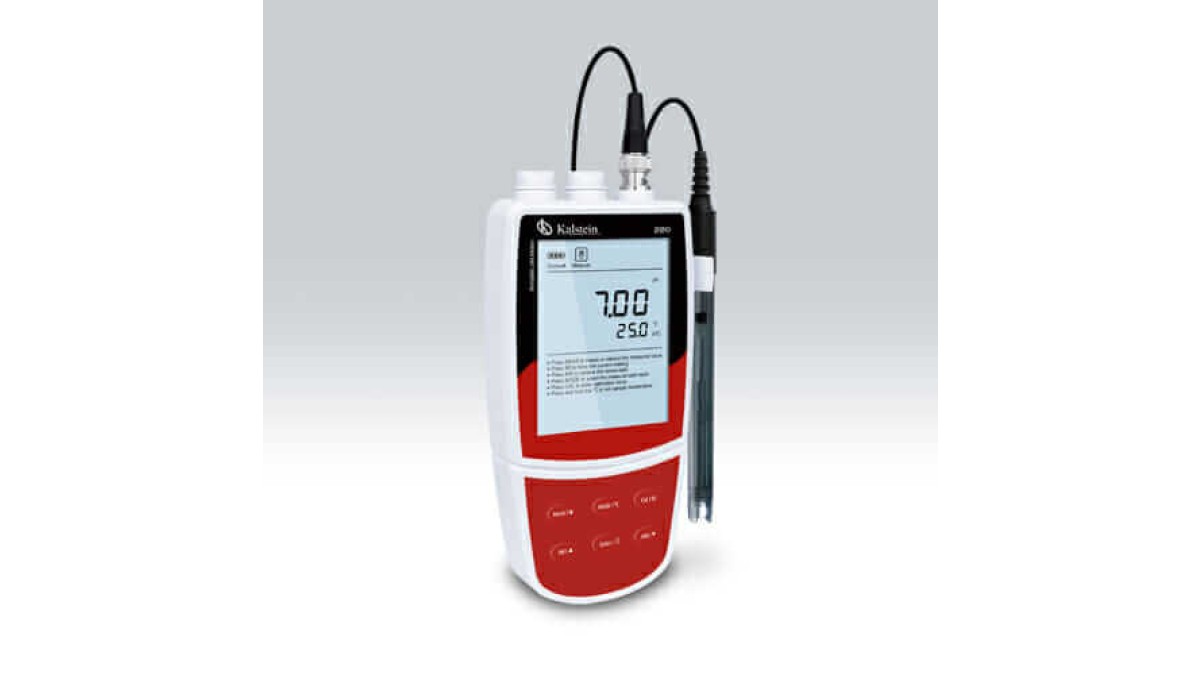
Table pH meters are essential analytical instruments used in laboratories to measure the acidity or alkalinity of a solution accurately. In 2026, these devices are widely employed in various sectors such as pharmaceuticals, food and beverages, environmental testing, and research laboratories. The precision and reliability of table pH meters facilitate critical applications, including quality control processes, research experiments, and environmental monitoring.
History and evolution of the technology
The technology of pH measurement has evolved significantly since the invention of the first pH meter in the 1930s. Early models were rudimentary and often inaccurate, but advancements in electronics and sensor technology have led to the development of sophisticated features such as automatic temperature compensation and digital displays. In 2026, table pH meters incorporate microprocessors, allowing for advanced functionalities like data storage and wireless connectivity, enhancing usability and efficiency.
How to use it step by step
Using a table pH meter involves the following steps:
- Preparation: Ensure the meter is clean and calibrated according to the manufacturer's instructions.
- Calibration: Calibrate the pH meter using standard buffer solutions. Ensure that the calibration points correspond to the expected pH range of your samples.
- Sample Measurement: Immerse the electrode in the sample solution, allowing sufficient time for the reading to stabilize.
- Reading: Record the pH value displayed on the meter. If necessary, take multiple readings for accuracy.
- Cleansing: Rinse the electrode with distilled water after use to prevent contamination.
Best techniques and protocols
To achieve accurate pH measurements, laboratory professionals should adhere to best practices, including:
- Regular calibration using fresh buffer solutions.
- Ensuring the electrode is properly maintained and stored.
- Taking measurements at a consistent temperature to ensure precision.
- Using appropriate stirring techniques to ensure uniform sample consistency.
Practical applications by laboratory type
Table pH meters find applications across various laboratory types:
- Pharmaceuticals: Used for quality control in drug formulation and testing.
- Food and Beverages: Essential for ensuring product quality and safety in pH-sensitive products.
- Environmental Testing: Monitoring pH levels in water samples to assess contamination.
- Research Laboratories: Employed in experimental setups requiring precise pH measurements.
Regulations, standards and certifications
In 2026, laboratories must adhere to strict regulations and standards when using pH meters. Compliance with ISO standards, such as ISO 17025 for laboratory testing, ensures accuracy and reliability in pH measurement. Additionally, manufacturers often provide certifications indicating that their devices meet established quality standards.
Comparison with alternative technologies
While table pH meters are widely used, alternative technologies such as portable pH meters and colorimetric tests may also be utilized. Portable meters offer flexibility in field measurements, while colorimetric tests provide visual results through color changes. Each method has its advantages and limitations, with table pH meters offering unmatched precision and ease of use in a controlled laboratory environment.
Comparison of available models
| Model | Best for | Key specs | Recommended use case |
|---|---|---|---|
| YR0220A | General laboratory use | pH range: -2.00~20.00pH, Resolution: 0.01pH | Accurate pH measurements for various solutions |
| YR01822 | Advanced measurements | Measurement range: -2.00~20.00pH, Automatic calibration | Research applications requiring high precision |
| YR01825 | Touchscreen usability | Resolution: 0.01/0.001 pH, 7" color touch display | User-friendly interface for quick measurements |
| YR01823-2 | Precision measurements | Calibrates 1 to 5 points, ±0.002 pH accuracy | High-accuracy tasks in a laboratory setting |
| YR01823 | Touchscreen usability | Resolution: 0.1/0.01 pH, 7" color touch display | Laboratories requiring user-friendly equipment |
| YR01826 | High visibility | 5" LCD screen, 150° viewing angle | Fieldwork measurements from a distance |
Common mistakes and how to avoid them
Common mistakes when using table pH meters include:
- Failing to calibrate regularly, which can lead to inaccurate readings.
- Not rinsing the electrode after each measurement, causing contamination.
- Using expired buffer solutions for calibration, resulting in faulty measurements.
- Ignoring temperature compensation, which can affect accuracy.
To avoid these mistakes, establish a routine calibration schedule and ensure proper electrode care.
Maintenance, calibration and good practices 2026
Maintenance practices for table pH meters in 2026 include:
- Regularly check and replace worn electrodes.
- Calibrate before each use with fresh buffers.
- Store the electrode properly, submerged in storage solution when not in use.
- Keep the meter clean and free from chemical residues.
Cost-benefit analysis 2026
The investment in a table pH meter is justified by the accuracy and efficiency it brings to laboratory operations. Though initial costs can be high, the long-term benefits of reliable measurements and enhanced productivity significantly outweigh these expenses. Additionally, the advancements in technology provide features that further enhance operational efficiency, making them more cost-effective in the long run.
Frequently asked questions
What should I consider when choosing a table pH meter?
Consider factors such as the measurement range, accuracy, ease of calibration, and additional features like data logging or connectivity options when selecting a table pH meter.
How often should I calibrate my pH meter?
Calibration should be performed at least once a day for regular use or before each measurement session to ensure accuracy.
Can I use the same electrode for different types of samples?
While it is possible, it is recommended to use different electrodes for various sample types to avoid cross-contamination.
What is the importance of automatic temperature compensation?
Automatic temperature compensation ensures that the pH readings remain accurate across different temperatures, which is crucial for obtaining reliable results.
How do I properly store my pH meter electrode?
Store the electrode in a protective storage solution or a wet sponge to maintain its integrity when not in use.
What are the signs that my pH meter needs servicing?
If you notice inconsistent readings, prolonged stabilization times, or if the electrode appears damaged, it may require servicing or replacement.
If you are looking for a fusion of innovation and quality, you have come to the right place. At Kalstein, we offer you the luxury of exploring our exclusive catalog of laboratory equipment. We manufacture every device to the highest standards of excellence. Our intuitive and seamless online purchasing channels are designed for your convenience, securing the most competitive prices. Hesitate no longer — we bring science to life, it is time to become part of our community.