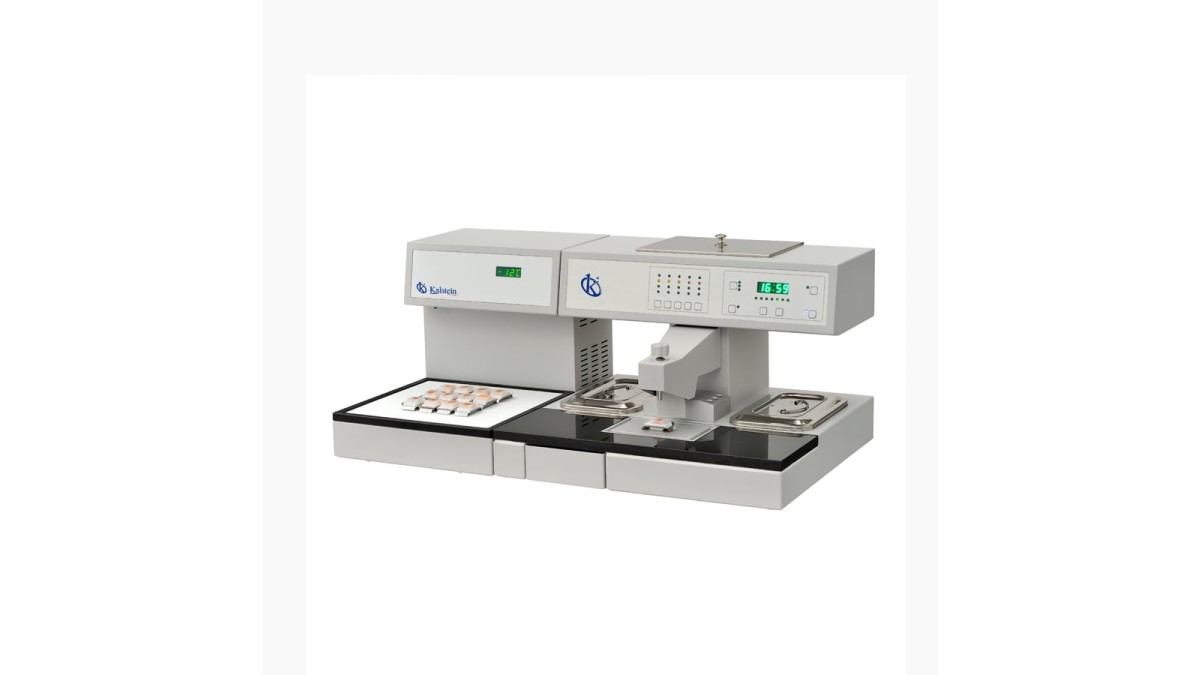
Tissue Embedding Systems: Common Mistakes and How to Avoid Them in Daily Operation 2026
What is it used for in 2026
Tissue embedding systems are crucial in the field of histology and pathology. They are used for embedding biological tissue samples in paraffin wax, allowing for thin sectioning and microscopic examination. This process preserves the cellular structure and morphology, enabling accurate diagnosis and research. In 2026, these systems are not only utilized in traditional laboratories but also in advanced research facilities, where precision and efficiency are paramount.
History and evolution of the technology
The technology behind tissue embedding systems has evolved significantly over the years. Initially, manual embedding techniques were labor-intensive and prone to errors. The introduction of automated systems revolutionized the process, allowing for consistent results and increased throughput. Over the last few decades, advancements in microprocessor technology and user interface design have further enhanced the usability and functionality of these systems, making them essential tools in modern laboratories.
How to use it step by step
Using a tissue embedding system involves several key steps:
- Preparation of Samples: Ensure that tissue samples are adequately fixed, dehydrated, and infiltrated with paraffin wax.
- Set Temperature Settings: Program the desired temperature settings for the embedding process according to the specific requirements of the tissue type.
- Load the Samples: Place the tissue samples into the embedding molds, ensuring proper orientation.
- Embed the Samples: Activate the embedding system to pour molten paraffin wax into the molds, covering the samples completely.
- Cooling: Allow the paraffin to cool and solidify, either at room temperature or in a cooling chamber.
- Remove from Molds: Carefully remove the embedded tissue blocks from the molds for further processing.
Best techniques and protocols
To maximize the efficiency and effectiveness of tissue embedding systems, laboratory professionals should adhere to established techniques and protocols:
- Ensure thorough fixation and dehydration of tissues before embedding.
- Regularly calibrate the temperature settings for accuracy.
- Maintain cleanliness in the embedding area to prevent contamination.
- Follow manufacturer guidelines for the specific embedding system used.
Practical applications by laboratory type
Tissue embedding systems find applications across various laboratory types, including:
- Clinical Laboratories: For routine histopathological examinations.
- Research Laboratories: In studies involving cellular morphology and pathology.
- Veterinary Laboratories: For the examination of animal tissue samples.
Regulations, standards and certifications
In 2026, laboratories must adhere to various regulations and standards to ensure quality and safety in tissue embedding processes. These include:
- ISO 13485 for medical device quality management.
- CLIA regulations for laboratory testing.
- Local health and safety regulations concerning laboratory operations.
Comparison with alternative technologies
While tissue embedding systems are widely used, alternatives such as cryoembedding and traditional manual embedding exist. Cryoembedding, for example, is suitable for preserving enzymes and proteins, while manual embedding may be necessary for specific tissue types but lacks the efficiency of automated systems. Understanding these alternatives enables laboratory professionals to choose the most appropriate method for their needs.
Comparison of available models
| Model | Best for | Key specs | Recommended use case |
|---|---|---|---|
| YR441 | Flexible operation with automatic controls | 3L paraffin chamber, 55-70℃ range | Medium throughput laboratories requiring advanced flexibility |
| YR447 | High efficiency and energy-saving | 4L paraffin chamber, RT-85℃ range | Large volume processing in modern labs |
| YR439 | Ergonomic design with LED illumination | 3L capacity, 55-70℃ range | Ideal for labs focusing on user comfort |
| YR445 | Complete paraffin dispensing | 4L capacity, ambient-85℃ range | Suitable for high-volume embedding needs |
| YR439-1 | High precision and automatic control | ≥6L capacity, TA-85℃ range | Laboratories requiring precise control |
| YR440B | Cryogenic applications | 0 to -20℃ range | Research settings with a need for cryopreservation |
Common mistakes and how to avoid them
Common mistakes in using tissue embedding systems include:
- Inadequate sample preparation: Ensure tissues are fully fixed and dehydrated to prevent artifacts.
- Incorrect temperature settings: Always verify settings to avoid overheating or underheating paraffin.
- Neglecting maintenance: Regular cleaning and calibration are essential for consistent performance.
Maintenance, calibration and good practices 2026
To maintain optimal performance of tissue embedding systems:
- Perform routine cleaning of the embedding area and equipment.
- Calibrate temperature controls monthly or as recommended by the manufacturer.
- Document maintenance activities to ensure compliance with laboratory standards.
Cost-benefit analysis 2026
A cost-benefit analysis of tissue embedding systems reveals that while initial investments may be high, the efficiency and accuracy gained significantly reduce labor costs and improve diagnostic outcomes. Investing in high-quality systems can lead to long-term savings through reduced errors, faster processing times, and improved laboratory throughput.
Frequently asked questions
What factors should I consider when choosing a tissue embedding system?
Consider factors such as sample throughput, temperature control range, ease of use, and specific laboratory needs when selecting a system.
How often should I calibrate the embedding system?
Calibration should be performed at least monthly or as per the manufacturer’s guidelines to ensure optimal performance.
Can I use tissue embedding systems for all types of tissues?
Most systems are versatile but always check manufacturer specifications to ensure compatibility with specific tissue types.
What are the most common issues encountered in tissue embedding?
Common issues include inadequate embedding due to improper temperature settings, which can lead to sample distortion.
How can I improve the efficiency of my embedding process?
Improving efficiency can be achieved through thorough sample preparation, regular maintenance, and proper training for laboratory personnel.
Is it possible to automate the embedding process?
Yes, many modern tissue embedding systems are equipped with features that allow for automation, enhancing consistency and reducing labor input.
Where can I find more information or request a quote for these systems?
For more information and to request a quote, please don't hesitate to reach out.
If you are looking for a fusion of innovation and quality, you have come to the right place. At Kalstein, we offer you the luxury of exploring our exclusive catalog of laboratory equipment. We manufacture every device to the highest standards of excellence. Our intuitive and seamless online purchasing channels are designed for your convenience, securing the most competitive prices. Hesitate no longer — we bring science to life, it is time to become part of our community.