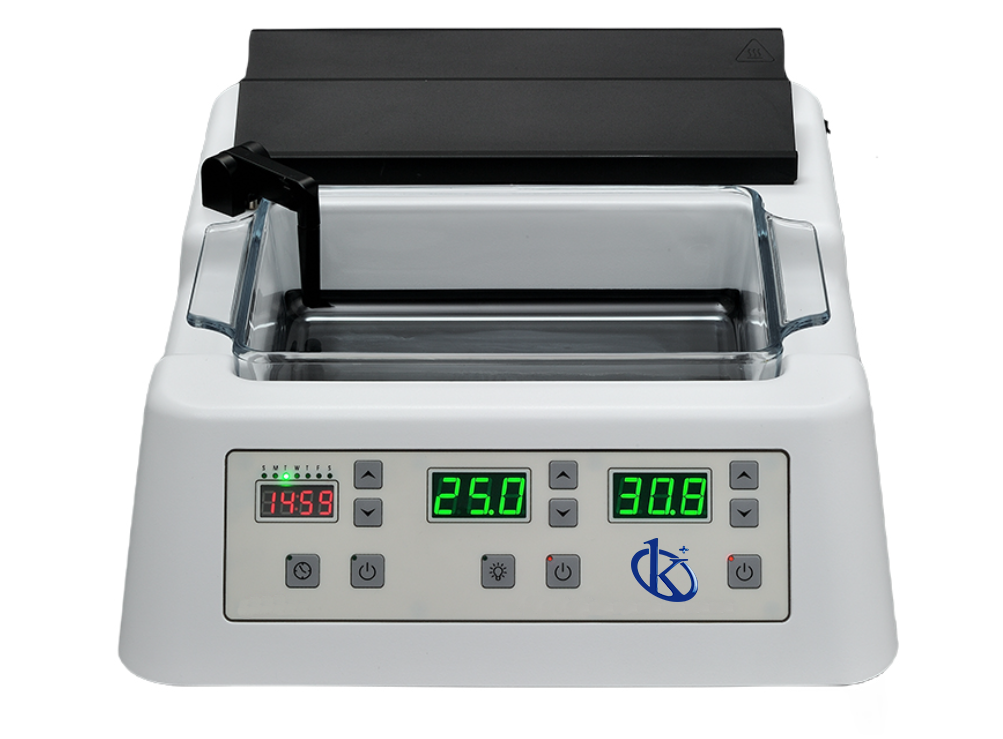
Tissue Flotation: Common Mistakes and How to Avoid Them in Daily Operation 2026
Tissue flotation is a critical process in pathological anatomy that involves the preparation of tissue specimens for microscopic examination. In 2026, understanding how to effectively utilize this equipment can significantly enhance laboratory workflows and ensure accurate results.
What is it used for in 2026
Tissue flotation is primarily used for preparing histological specimens, where tissues are floated on a liquid medium to achieve optimal sectioning for microscopy. It plays a vital role in ensuring the integrity of samples, which is essential for accurate diagnoses and research. The equipment provides controlled temperature environments that are crucial for maintaining sample quality, particularly in handling delicate tissues.
History and evolution of the technology
Over the years, tissue flotation techniques have evolved from manual methods to sophisticated automated systems. The introduction of digital interfaces and programmable features has allowed for greater precision and ease of use. Modern devices are equipped with automatic memory functions, enabling users to maintain preset temperatures and improve operational efficiency.
How to use it step by step
- Prepare the water bath by setting the desired temperature, usually ambient to 70℃.
- Ensure that the slide dryer is set to the appropriate temperature, typically up to 100℃.
- Fill the flotation bath with distilled water to the recommended level.
- Place the tissue sections on the water surface, allowing them to spread out evenly.
- Use a slide to gently lift the floated tissue for transfer to a preheated slide.
- Allow the slides to dry in the slide dryer to ensure tissue adhesion.
- Monitor temperature and adjust as necessary throughout the process.
Best techniques and protocols
To maximize the effectiveness of tissue flotation, it's essential to follow best practices such as:
- Regularly calibrating equipment to ensure temperature accuracy.
- Using clean, distilled water to prevent contamination.
- Employing proper tissue handling techniques to avoid damage.
- Adhering to recommended drying times for optimal results.
Practical applications by laboratory type
Tissue flotation is widely used across various laboratory settings, including:
- Clinical Laboratories: For diagnostics in pathology.
- Research Facilities: To prepare samples for experimental studies.
- Educational Institutions: For teaching histology and pathology techniques.
Regulations, standards and certifications
Laboratories must comply with various regulations regarding equipment used in tissue flotation, including safety standards set forth by organizations such as the FDA and ISO. Ensuring that all equipment is certified and operates within these parameters is crucial for maintaining laboratory accreditation and safety.
Comparison with alternative technologies
While tissue flotation is highly effective, alternative technologies such as cryostat microtomes and embedding systems may be used for specific applications. Each method has its advantages, and the choice of technology often depends on the type of tissue and the desired outcomes.
Comparison of available models
| Model | Best for | Key specs | Recommended use case |
|---|---|---|---|
| YR457-1 | General tissue preparation | Temperature range: RT - 70℃; Slide dryer: RT - 100℃ | Ideal for routine laboratory use with precise temperature control |
| YR456 | Small tissue samples | Temperature range: RT - 70℃ | Suitable for laboratories focusing on smaller sample sizes |
| YR457 | Versatile applications | Temperature range: RT - 70℃ | Great for varied laboratory workflows and sample types |
Common mistakes and how to avoid them
Several common mistakes can occur during tissue flotation, including:
- Improper temperature settings: Always verify that the water bath and slide dryer are set to the correct temperatures before starting.
- Using contaminated water: Ensure distilled water is used to avoid sample contamination.
- Neglecting regular maintenance: Regularly check and calibrate equipment to maintain optimal performance.
- Inadequate drying time: Allow sufficient time for slides to dry to ensure tissue adhesion.
Maintenance, calibration and good practices 2026
To ensure the longevity and accuracy of tissue flotation equipment, it's essential to:
- Conduct regular maintenance checks according to manufacturer guidelines.
- Calibrate temperature settings weekly to ensure accuracy.
- Clean all components after use to prevent cross-contamination.
Cost-benefit analysis 2026
When considering the acquisition of tissue flotation equipment, it is crucial to analyze the cost in relation to the benefits it provides. Investing in high-quality equipment can lead to:
- Increased efficiency in sample preparation.
- Improved accuracy in diagnostics.
- Long-term savings through reduced equipment failure and maintenance costs.
Frequently asked questions
What should I consider when choosing a tissue flotation device?
Consider the required temperature range, the volume of tissue samples, and the specific needs of your laboratory workflow. Look for features like automatic memory functions for precision.
How often should I calibrate my tissue flotation equipment?
It is advisable to calibrate your equipment weekly to ensure consistent temperature accuracy, especially in high-usage environments.
Can I use any type of water for the flotation bath?
No, it is important to use distilled water to prevent contamination and ensure the integrity of your samples.
What are the most common mistakes to avoid when using tissue flotation systems?
Common mistakes include incorrect temperature settings, using contaminated water, and insufficient drying time for slides.
How do I ensure my slides adhere properly after flotation?
Ensure that you allow adequate drying time in the slide dryer, and maintain the recommended temperature settings to facilitate adherence.
Is regular maintenance necessary for tissue flotation equipment?
Yes, regular maintenance is crucial to ensure the equipment operates efficiently and to prolong its lifespan.
How can I increase the efficiency of my laboratory's tissue preparation process?
By following best practices, calibrating your equipment regularly, and using high-quality flotation devices, you can significantly enhance efficiency.
For those interested in upgrading their laboratory capabilities, we invite you to request a quote on Kalstein Plus. You will find competitive pricing and exceptional quality.
If you are looking for a fusion of innovation and quality, you have come to the right place. At Kalstein, we offer you the luxury of exploring our exclusive catalog of laboratory equipment. We manufacture every device to the highest standards of excellence. Our intuitive and seamless online purchasing channels are designed for your convenience, securing the most competitive prices. Hesitate no longer — we bring science to life, it is time to become part of our community.