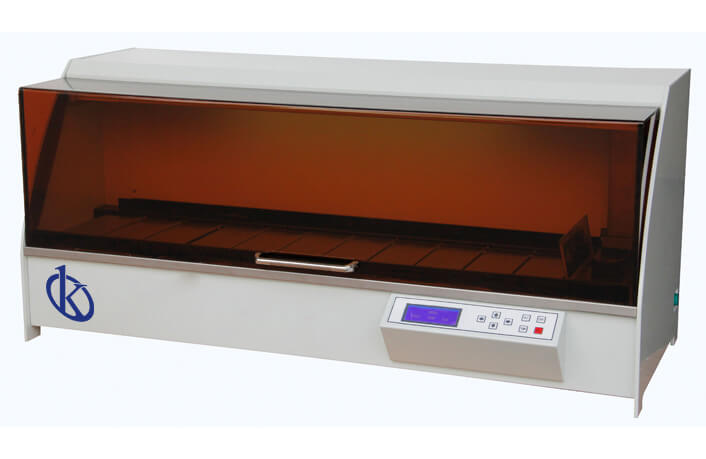
Tissue Processors: Applications in Research, Biotechnology, and Academia 2026
Tissue processors play a crucial role in histopathology and laboratory settings, enabling the effective preparation of tissue samples for microscopic examination. In 2026, the application of tissue processors has evolved to meet the demands of modern research, biotechnology, and academic laboratories. This article delves into the practical usage, techniques involved, and best practices for utilizing these vital machines in various laboratory workflows.
What is it used for in 2026
Tissue processors are primarily used for the preparation of biological samples through a series of chemical processes that include dehydration, clearing, and impregnation with paraffin. In 2026, these devices are essential for:
- Enhancing the quality of tissue sections for microscopic analysis.
- Facilitating rapid processing of samples in high-throughput laboratories.
- Utilizing advanced protocols for better preservation and visualization of cellular structures.
- Implementing automated processes for efficiency and reliability.
History and evolution of the technology
The technology behind tissue processors has undergone significant advancements since its inception. Initially, manual processing methods were labor-intensive and time-consuming. The first automated tissue processors emerged in the mid-20th century, offering improved processing times and consistency. Modern tissue processors, such as the YR431-1, YR436-2, YR427, YR428, YR429, and YR431, now feature sophisticated control systems, allowing for programmable cycles and enhanced user interface. This evolution has enhanced the reliability and efficiency of tissue processing in laboratories.
How to use it step by step
Using a tissue processor involves several key steps to ensure optimal results:
- Preparation of samples: Trim tissue specimens to an appropriate size and place them in the processing cups.
- Setting parameters: Configure the processor settings according to the desired protocol including temperature, duration, and reagent selection.
- Loading tissues: Insert the processing cups into the machine, ensuring they are correctly aligned and secured.
- Start the cycle: Initiate the processing cycle and monitor for any errors or alerts during the operation.
- Post-processing: Once completed, remove the tissue samples and prepare them for embedding in paraffin.
Best techniques and protocols
In 2026, the following techniques and protocols are recommended for effective tissue processing:
- Implementing a vacuum infiltration process to enhance reagent penetration.
- Utilizing a sequential dehydration protocol with graded alcohols to prevent tissue damage.
- Employing low-temperature paraffin to ensure tissue integrity.
- Regularly calibrating equipment for precision and accuracy in processing times.
Practical applications by laboratory type
Tissue processors find applications across various laboratory settings:
- Research laboratories: Used for preparing samples for immunohistochemistry and molecular analysis.
- Biotechnology firms: Essential in the production of histological data for new therapeutic developments.
- Academic institutions: Key tools for teaching histology and pathology to students, facilitating hands-on learning experiences.
Regulations, standards and certifications
Laboratories utilizing tissue processors must adhere to several regulations and standards, including:
- ISO 15189 for medical laboratories.
- Good Laboratory Practice (GLP) guidelines.
- Compliance with local and national health and safety regulations.
Comparison with alternative technologies
While tissue processors are the standard in many laboratories, other technologies exist:
- Cryostats: Used for rapid freezing of samples but do not allow for serial sectioning as effectively as processed samples.
- Embedding Centers: Facilitate embedding but do not automate the tissue processing steps.
Comparison of available models
| Model | Best for | Key specs | Recommended use case |
|---|---|---|---|
| YR431-1 | High-throughput processing | Capacity: 2000 ml, 12 cups | Large labs needing efficient sample processing |
| YR436-2 | Cost-effective solutions | 12 cups | Budget-friendly labs |
| YR427 | Small specimens | Capacity: 700 ml, 12 cups | Small labs with limited space |
| YR428 | Small lab automation | Capacity: 1000 ml, 12 cups | Small labs needing simple operation |
| YR429 | Medium-throughput processing | Capacity: 1500 ml, 12 cups | Labs requiring moderate efficiency |
| YR431 | Heavy-duty processing | Capacity: 2000 ml, 12 cups | High-demand lab environments |
Common mistakes and how to avoid them
Laboratory professionals must avoid the following common mistakes:
- Improper sample preparation: Always ensure specimens are appropriately sized and placed in the right cup.
- Neglecting maintenance: Regularly clean and maintain processors to avoid contamination and errors.
- Ignoring temperature settings: Double-check temperature settings to prevent sample degradation.
Maintenance, calibration and good practices 2026
To ensure the longevity and accuracy of tissue processors:
- Schedule regular maintenance and calibration checks.
- Use distilled water and appropriate reagents for cleaning.
- Document all maintenance activities for compliance purposes.
Cost-benefit analysis 2026
The investment in tissue processors can yield significant returns in efficiency and sample quality:
- Reduced processing times lead to increased throughput in laboratories.
- Improved sample quality enhances diagnostic accuracy and research validity.
- Long-term savings from reduced reagent waste and maintenance costs.
Frequently asked questions
What should I consider when choosing a tissue processor?
Consider factors such as sample throughput requirements, available space, budget, and specific laboratory protocols when selecting a tissue processor.
How often should I perform maintenance on my tissue processor?
Regular maintenance should be performed according to the manufacturer's guidelines, typically every few months, or more frequently in high-use settings.
Can I use different reagents in the tissue processor?
Yes, but it's essential to check compatibility and safety of reagents with the processor and follow manufacturer recommendations.
What is the average lifespan of a tissue processor?
The average lifespan can vary but typically ranges between 7 to 10 years with proper maintenance and usage.
How can I improve the efficiency of my tissue processing?
Optimize protocols, ensure proper calibration, and train personnel on best practices to enhance processing efficiency.
What are the best practices for tissue sample handling?
Always handle samples with care, maintain proper temperatures, and follow protocol guidelines to prevent degradation.
How can I request a quote for a tissue processor?
Visit our website or contact our sales team to request a personalized quote based on your laboratory's needs.
If you are looking for a fusion of innovation and quality, you have come to the right place. At Kalstein, we offer you the luxury of exploring our exclusive catalog of laboratory equipment. We manufacture every device to the highest standards of excellence. Our intuitive and seamless online purchasing channels are designed for your convenience, securing the most competitive prices. Hesitate no longer — we bring science to life, it is time to become part of our community.