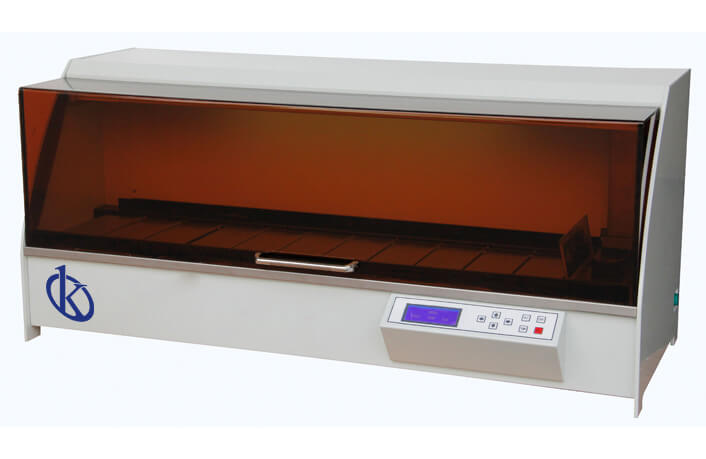
How Do Tissue Processors Contribute to Energy Sustainability and Environmental Impact Reduction?
Tissue processors play a crucial role in the efficiency of laboratory workflows, especially in pathological anatomy. As laboratories increasingly focus on energy sustainability and reducing environmental impact, understanding the role of various models becomes essential. This article will explore how different tissue processors contribute to sustainable practices while maintaining high-quality performance.
Understanding Tissue Processors in the Context of Energy Sustainability
Tissue processors are used to prepare biological tissues for microscopic examination, and their operation can significantly affect energy consumption and waste output in a laboratory setting. Models that emphasize energy efficiency can reduce both operational costs and environmental footprints, making them a preferred choice in modern laboratories.
Key Features Enhancing Energy Efficiency
Several features of modern tissue processors contribute to energy sustainability. For instance, temperature control precision, adjustable dripping times, and operational automation are crucial aspects. These features help minimize energy use, allowing laboratories to perform more tests without wasteful energy consumption.
Comparison of Available Models
| Model | Price (USD) | Capacity per Cup (mL) | Temperature Range (°C) | Energy Efficiency Features |
|---|---|---|---|---|
| YR431-1 | 11000.00 | 2000 | RT - 80 | Adjustable agitation and dripping time |
| YR436-2 | 4400.00 | Not specified | Not specified | Basic energy-saving features |
| YR427 | 2600.00 | 700 | RT - 80 | Low-cost design with memory function |
| YR428 | 2900.00 | 1000 | RT - 99 | Automatic energy-saving mechanisms |
| YR429 | 3300.00 | 1500 | RT - 80 | High-quality components for energy efficiency |
Common Mistakes and How to Avoid Them
When selecting a tissue processor, it is crucial to avoid common pitfalls such as underestimating energy consumption or neglecting to assess the environmental impact of the device. Always review the specifications of models like YR431-1 or YR429 to ensure they align with sustainability goals, and consider how features can mitigate the carbon footprint of your laboratory.
Strategies for Reducing Energy Consumption in Tissue Processing
Implementing effective strategies can drastically cut down energy use. For instance, utilizing processors with adjustable functions, like the YR428, allows laboratories to tailor operations according to their needs, minimizing unnecessary energy expenditure. Regular maintenance of equipment also ensures optimal functioning, leading to better energy use.
Lifecycle Assessment of Tissue Processors
A lifecycle assessment (LCA) evaluates the environmental impact of a tissue processor from manufacturing to disposal. By conducting an LCA on models such as YR431-1 and YR427, laboratories can identify areas to improve, including material sourcing, energy use during operation, and end-of-life recycling options.
Evaluating Energy Footprint: kWh per Cycle
| Model | Average Energy Consumption (kWh) | Processing Time (hrs) | Energy Cost per Cycle (USD) |
|---|---|---|---|
| YR431-1 | 3.5 | 2 | 0.42 |
| YR428 | 2.0 | 1.5 | 0.24 |
| YR429 | 2.8 | 2 | 0.34 |
Frequently Asked Questions
How can tissue processors reduce energy consumption and environmental impact?
Tissue processors like YR431-1 incorporate features such as adjustable temperature and agitation controls, which help optimize energy use. This leads to reduced environmental impact during operation while maintaining high-quality processing standards.
What are the energy efficiency ratings for different tissue processor models?
The energy efficiency of models like YR427 and YR428 can vary, but they are designed to minimize energy use during processing. Features such as energy-saving mechanisms contribute to better sustainability ratings.
How does the processing time affect the energy footprint of a tissue processor?
Processing time influences the total energy consumption of tissue processors. For instance, the YR431-1 can be programmed for longer cycles, which can increase energy use if not managed properly, highlighting the importance of selecting the right model for specific workloads.
What features should I look for in a tissue processor for sustainability?
When selecting a tissue processor, consider features such as adjustable temperature control, energy-saving functionalities, and the capacity to handle various specimens effectively, as seen in models like YR428 and YR429.
How much energy does a typical tissue processor consume during a cycle?
The average energy consumption of tissue processors like YR431-1 and YR428 is around 2.0 to 3.5 kWh per cycle, depending on their operational settings and processing duration, making energy efficiency a critical factor to consider.
Which models of tissue processors are best for reducing operational costs?
Models such as YR427 and YR428 focus on being cost-effective while providing reliable processing capabilities, which helps reduce both operational costs and energy consumption in laboratories.
What are the long-term benefits of investing in energy-efficient tissue processors?
Investing in energy-efficient models like the YR431-1 can lead to significant cost savings over time, reduced environmental impact, and enhanced laboratory performance, contributing to a more sustainable operational framework.
How can I assess the sustainability of my laboratory's tissue processing methods?
Evaluate your laboratory's tissue processing methods by analyzing energy consumption data, assessing waste generation, and comparing your current models, such as YR429, against more energy-efficient options.
If you are looking for a fusion of innovation and quality, you have come to the right place. At Kalstein, we offer you the luxury of exploring our exclusive catalog of laboratory equipment. We manufacture every device to the highest standards of excellence. Our intuitive and seamless online purchasing channels are designed for your convenience, securing the most competitive prices. Hesitate no longer — we bring science to life, it is time to become part of our community.