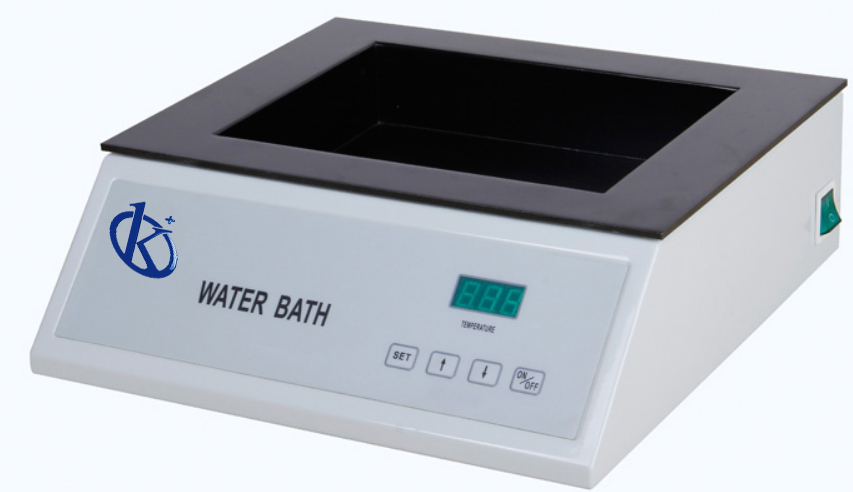
Tissue Water Bath: Best Techniques and Protocols in 2026
Tissue water baths are essential instruments used in various laboratory settings, particularly in pathological anatomy. Their functionality revolves around maintaining and controlling specific temperatures for specimens and processes, ensuring accurate results in histological examinations. This article will delve into the best practices, applications, and techniques associated with tissue water baths as of 2026.
What is it used for in 2026
In 2026, tissue water baths serve primarily to maintain optimal temperatures for tissue processing, embedding, and sectioning procedures. They provide a controlled environment that enhances the quality and integrity of biological samples. These baths are crucial in preparing specimens for microscopic examination, ensuring that the cellular structure remains intact throughout the preparation process. They are also used to control the temperature of reagents and solutions, which is vital for immunohistochemical staining and other laboratory applications.
History and evolution of the technology
The technology behind tissue water baths has evolved significantly over the years. Initially, these baths were simple, manually operated devices that required constant monitoring. However, advancements in microprocessor technology have led to the development of automated systems with precise temperature controls. Modern tissue water baths, such as the YR449, YR451, and YR452, feature digital displays and programmable settings, allowing for greater flexibility and efficiency in laboratory workflows. The integration of LED lighting and automatic memory functions has further enhanced user experience, making these devices indispensable in contemporary laboratories.
How to use it step by step
Using a tissue water bath can be straightforward if the following steps are followed:
- Preparation: Ensure the bath is clean and free from any previous samples. Fill the water bath with distilled water to the indicated level.
- Temperature Setting: Turn on the device and set the desired temperature using the keypad or digital interface. Refer to the manufacturer’s manual for specific instructions.
- Preheat: Allow the water bath to preheat to the set temperature before introducing any samples.
- Placing Samples: Carefully position the samples in the water bath, ensuring that they are fully submerged to achieve uniform temperature distribution.
- Monitoring: Use the digital display to monitor the temperature, making adjustments as necessary.
- Post-Use Cleanup: After use, remove samples and clean the bath thoroughly to prevent contamination.
Best techniques and protocols
Optimal usage of tissue water baths requires adherence to best practices:
- Regularly calibrate the device to ensure accuracy in temperature readings.
- Utilize a thermometer to cross-verify the water bath’s temperature setting.
- Maintain cleanliness by using appropriate cleaning agents that do not compromise the surfaces.
- Implement a protocol for the introduction and removal of samples to minimize temperature fluctuations.
- Document all temperature settings and sample handling procedures for traceability.
Practical applications by laboratory type
Tissue water baths find application across various laboratory types, including:
- Histopathology Laboratories: For embedding tissue samples and optimizing staining processes.
- Research Laboratories: To maintain stable temperature conditions for experimental assays.
- Clinical Laboratories: Ensuring accurate processing of specimens for diagnostic purposes.
Regulations, standards and certifications
In 2026, adherence to regulatory standards is crucial for laboratory equipment. Tissue water baths must comply with ISO and ASTM standards, ensuring reliability and safety in their operation. Regular inspections and certifications are recommended to maintain compliance and quality assurance.
Comparison with alternative technologies
While tissue water baths are widely used, alternative technologies such as dry block heaters and incubators also serve similar purposes. However, tissue water baths provide more uniform temperature control, which is essential for histological applications, making them a preferred choice in many laboratories.
Comparison of available models
| Model | Best for | Key specs | Recommended use case |
|---|---|---|---|
| YR449 | High-quality temperature control | Temperature range: RT to 90℃; Power: 200W | Embedding and staining processes |
| YR451 | Real-time temperature monitoring | Temperature range: 0 - 85℃; Power: 400W | Cell culture applications |
| YR452 | Floating tissue station | Temperature range: RT - 75℃; Power: 500W | Histological analysis and embedding |
Common mistakes and how to avoid them
Laboratory professionals often make several mistakes when using tissue water baths, including:
- Inadequate Calibration: Regularly calibrate the device to avoid inaccurate temperature settings.
- Overfilling the Bath: Adhere to the water level indicators to ensure optimal functioning.
- Neglecting Cleaning: Clean the bath after every use to prevent contamination and maintain performance.
Maintenance, calibration and good practices 2026
Proper maintenance of tissue water baths includes:
- Regular cleaning with non-corrosive agents.
- Periodic calibration checking against a reliable thermometer.
- Updating software for digital models to benefit from the latest features.
Cost-benefit analysis 2026
Investing in a tissue water bath can yield significant benefits, such as improved sample quality and reliability in laboratory results. The initial costs are outweighed by the enhancement in workflow efficiency and the accuracy of temperature-sensitive processes, making them a valuable asset in any laboratory.
Frequently asked questions
How do I choose the right tissue water bath for my laboratory?
Consider factors such as temperature range, capacity, digital features, and your specific application needs when selecting a tissue water bath.
What maintenance is required for tissue water baths?
Regular cleaning, calibration, and following the manufacturer’s guidelines are essential for maintaining tissue water baths.
How can I ensure accurate temperature control?
Use an external thermometer to verify the temperature readings and regularly calibrate the device to maintain accuracy.
What are the common applications of tissue water baths?
Tissue water baths are commonly used in histopathology, research, and clinical laboratories for specimen processing and temperature-sensitive procedures.
Are there alternatives to tissue water baths?
Yes, alternatives include dry block heaters and incubators, but tissue water baths offer better temperature uniformity for histological applications.
What should I do if my water bath is not heating properly?
Check the power supply, ensure the device is calibrated, and consult the manufacturer’s troubleshooting guide for further steps.
How can I request a quote for these devices?
You can request a quote directly through our online platform or by contacting our sales team for assistance.
If you are looking for a fusion of innovation and quality, you have come to the right place. At Kalstein, we offer you the luxury of exploring our exclusive catalog of laboratory equipment. We manufacture every device to the highest standards of excellence. Our intuitive and seamless online purchasing channels are designed for your convenience, securing the most competitive prices. Hesitate no longer — we bring science to life, it is time to become part of our community.