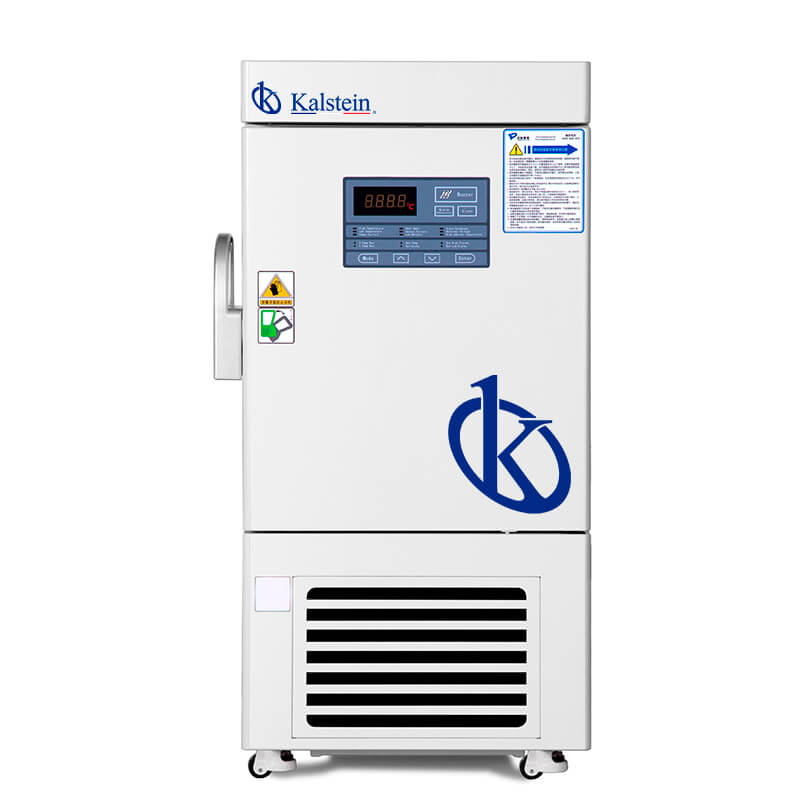
Ultra Freezers: Practical Applications and Techniques 2026
What is it used for in 2026
Ultra freezers are vital in laboratory environments, especially for the long-term storage of biological materials such as viruses, blood components, and other sensitive biological products. In 2026, their applications extend to blood banks, hospitals, epidemic prevention services, research institutions, and laboratories in various industries including chemical and electronics. They ensure the integrity and safety of stored materials through advanced cooling technology, making them essential for medical research and clinical applications.
History and evolution of the technology
The development of ultra freezers began in the late 20th century, with advancements in refrigeration technology significantly enhancing their efficiency and reliability. Originally designed for basic cooling, modern ultra freezers now feature advanced temperature control, digital monitoring, and alarm systems to alert users of any malfunctions. Over the years, improvements in insulation, compressor efficiency, and energy consumption have made these devices indispensable in laboratories worldwide.
How to use it step by step
- Preparation: Ensure that the ultra freezer is placed in a stable environment with appropriate ambient temperatures (10°C to 32°C).
- Powering On: Plug in the unit and turn it on, allowing it to reach the desired temperature range of -40°C to -86°C.
- Temperature Setting: Use the digital display to set the required storage temperature based on the materials being stored.
- Loading Samples: Carefully load your biological materials into the unit, ensuring they are properly sealed and labeled.
- Monitoring: Regularly check the digital monitor for temperature stability and ensure alarms are functional.
- Routine Maintenance: Perform routine checks as per manufacturer guidelines to ensure optimal operation.
Best techniques and protocols
When using ultra freezers, following established protocols is essential for maintaining quality and safety:
- Labeling: Ensure all samples are accurately labeled with relevant information including date, type of sample, and required storage conditions.
- Loading Techniques: Avoid overcrowding to ensure air circulation. Space samples appropriately within the storage compartments.
- Regular Checks: Conduct daily checks of temperature settings and alarm systems to preemptively address any issues.
- Data Logging: Utilize the data logging feature, if available, to keep historical temperature records for compliance and analysis.
Practical applications by laboratory type
Different types of laboratories utilize ultra freezers in various ways:
- Blood Banks: For the storage of blood components like platelets, which require strict temperature control.
- Research Institutions: For preserving microorganisms, cell lines, and genetic materials that are critical for ongoing experiments.
- Pharmaceutical Labs: For the storage of vaccines and biopharmaceuticals that are sensitive to temperature fluctuations.
Regulations, standards and certifications
Ultra freezers must comply with various international standards and regulations, which include:
- ISO Certification: Ensures quality management systems are in place.
- FDA Regulations: For laboratories handling biological materials, compliance with FDA standards is crucial.
- Good Laboratory Practice (GLP): Helps maintain quality and integrity of laboratory work.
Comparison with alternative technologies
Ultra freezers are typically compared with standard freezers and cryogenic systems:
- Standard Freezers: Operate at higher temperatures and are not suitable for long-term biological storage.
- Cryogenic Freezers: Utilize liquid nitrogen for extreme temperatures but involve complex handling and safety concerns.
Comparison of available models
| Model | Best for | Key specs | Recommended use case |
|---|---|---|---|
| YR05106 | Long-term storage of biological materials | Temperature range: -40°C to -86°C, Energy consumption: 5.6 kWh/24h | Ideal for blood banks and research laboratories. |
| YR05107 | Long-term storage with slightly larger capacity | Temperature range: -40°C to -86°C, Energy consumption: 8.2 kWh/24h | Best suited for hospitals and epidemic prevention services. |
| YR05108 | Increased capacity for biological storage | Temperature range: -40°C to -86°C, Energy consumption: 12 kWh/24h | Great for laboratories in chemical and electronics. |
| YR05109 | Larger scale storage | Temperature range: -40°C to -86°C, Energy consumption: 16.5 kWh/24h | Recommended for large research institutions. |
| YR05110 | High demand storage applications | Temperature range: -40°C to -86°C, Energy consumption: 20 kWh/24h | Best for pharmaceutical labs needing robust systems. |
| YR05111 | Maximum storage efficiency | Temperature range: -40°C to -86°C, Energy consumption: 18.8 kWh/24h | Ideal for biobanks and genetic research facilities. |
Common mistakes and how to avoid them
- Overloading: Avoid overloading the freezer as it can affect air circulation and temperature stability.
- Ignoring Alarms: Never ignore alarm signals; they indicate potential issues that need immediate attention.
- Poor Labeling: Ensure all samples are clearly labeled to avoid misplacement or confusion.
Maintenance, calibration and good practices 2026
Regular maintenance is crucial for ensuring the longevity and efficiency of ultra freezers:
- Cleaning: Regularly clean the interior and exterior surfaces to prevent contamination.
- Calibration: Follow manufacturer guidelines for calibration to ensure accurate temperature readings.
- Power Checks: Regularly inspect power connections and alarm systems to ensure reliability.
Cost-benefit analysis 2026
Investing in ultra freezers offers significant long-term benefits:
- Reliable Storage: Safeguards valuable biological materials, reducing waste and loss.
- Energy Efficiency: Modern units are designed to consume less energy while providing superior performance.
- Compliance: Helps laboratories meet stringent regulatory standards, ensuring credibility and safety.
Frequently asked questions
What is the optimal temperature for storing biological samples?
The optimal temperature for storing biological samples in ultra freezers typically ranges from -40°C to -86°C, depending on the specific requirements of the samples.
How often should I check the temperature and alarms?
It is recommended to check the temperature and alarm systems daily to ensure the ultra freezer is functioning properly and that samples are kept at the required temperatures.
Can I store multiple types of samples in the same unit?
While it is possible to store different types of samples in the same ultra freezer, it is important to ensure that they have similar storage requirements and are properly labeled to avoid confusion.
What maintenance is required for ultra freezers?
Maintenance for ultra freezers includes regular cleaning, calibration checks, and routine inspections of the power and alarm systems to prevent malfunctions.
Are there any specific regulations I should be aware of when using ultra freezers?
Yes, laboratories must comply with regulations such as ISO certifications, FDA guidelines, and Good Laboratory Practices (GLP) to ensure safety and quality in storing biological materials.
How can I ensure the integrity of samples during power outages?
Many modern ultra freezers come with backup power systems or alarms that notify users during power outages. It is advisable to have a contingency plan in place to transfer samples to another unit if needed.
How do I choose the right ultra freezer model for my laboratory?
Consider your storage needs, sample types, energy consumption, and available space when selecting an ultra freezer model. Reviewing specifications and comparing different models will help you find the best fit.
If you are looking for a fusion of innovation and quality, you have come to the right place. At Kalstein, we offer you the luxury of exploring our exclusive catalog of laboratory equipment. We manufacture every device to the highest standards of excellence. Our intuitive and seamless online purchasing channels are designed for your convenience, securing the most competitive prices. Hesitate no longer — we bring science to life, it is time to become part of our community.