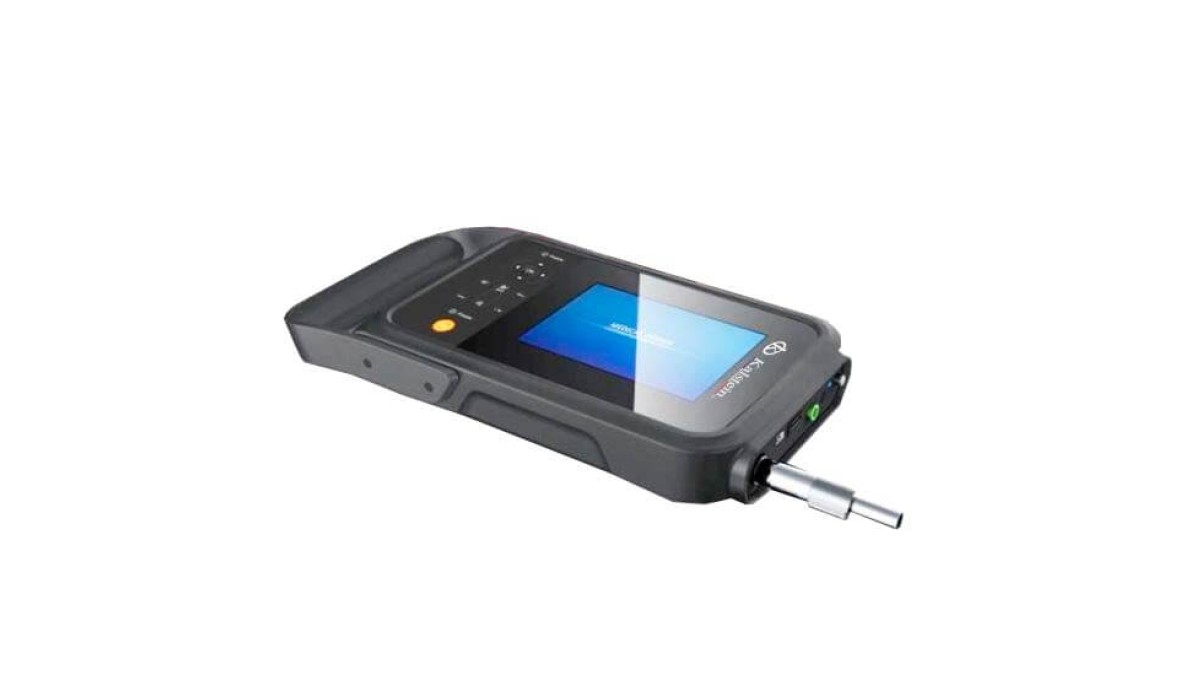
Ultrasonic Diagnostic Equipment: Step-by-Step Practical Usage Guide 2026
What is it used for in 2026
In 2026, ultrasonic diagnostic equipment is utilized across various fields including veterinary medicine, obstetrics, cardiology, and general diagnostics. These devices are pivotal for providing non-invasive imaging, which assists in diagnosing conditions, monitoring fetal development, and assessing organ health.
History and evolution of the technology
The evolution of ultrasonic diagnostic technology began in the early 20th century, initially developed for sonar applications and later adapted for medical imaging. Over the years, improvements in image resolution, portability, and the introduction of 3D and 4D imaging have revolutionized diagnostics, enabling more accurate assessments.
How to use it step by step
Effective usage of ultrasonic diagnostic equipment involves the following steps:
- Prepare the patient: Ensure the patient is comfortable and informed about the procedure.
- Set up the equipment: Connect the device to a power source and turn it on. Check battery levels if applicable.
- Select the appropriate probe: Choose a probe based on the diagnostic requirement—linear for vascular imaging or convex for abdominal scans.
- Apply gel: Use a coupling gel to enhance sound wave transmission between the probe and the skin.
- Capture images: Move the probe over the area of interest and adjust settings to obtain clear images.
- Review findings: Analyze the images in real-time and document any findings for further assessment.
Best techniques and protocols
To maximize the efficacy of ultrasonic diagnostic equipment, laboratory professionals should follow these best techniques:
- Ensure regular calibration of devices.
- Maintain a sterile environment when working with patients.
- Utilize the appropriate frequency settings based on the target organ.
- Implement a systematic approach to image acquisition to ensure comprehensive coverage.
- Document and report findings in compliance with medical standards.
Practical applications by laboratory type
Different types of laboratories employ ultrasonic diagnostic equipment in unique ways:
- Veterinary Clinics: Used for pregnancy checks and organ diagnostics in animals.
- Obstetric Units: Essential for monitoring fetal health during pregnancy.
- Cardiology Labs: Utilized for echocardiograms to assess heart function.
- General Diagnostics: Commonly used for abdominal and soft tissue imaging.
Regulations, standards and certifications
In 2026, ultrasonic diagnostic equipment must comply with various health regulations and standards, including:
- FDA approval for medical devices.
- ISO certifications ensuring quality and safety.
- Adherence to local health service guidelines regarding diagnostic procedures.
Comparison with alternative technologies
Compared to other imaging modalities like MRI and CT scans, ultrasonic diagnostic equipment boasts advantages such as:
- Non-invasive nature with no radiation exposure.
- Portability, making it suitable for bedside diagnostics.
- Real-time imaging capabilities, allowing immediate assessment.
Comparison of available models
| Model | Best for | Key specs | Recommended use case |
|---|---|---|---|
| YR05146 | Veterinary applications | Lightweight, high-resolution display, 3+ hours battery | Veterinary clinics for quick assessments |
| YR05147 | Obstetrics/Gynecology | 15" LED monitor, built-in battery | Monitoring fetal development |
| YR05154 | General diagnostics | Convex probe and ultrasound software | Abdominal and soft tissue imaging |
| YR05154-1 | Portable diagnostics | Tablet integration with ultrasound software | Fieldwork and emergency diagnostics |
| YR05155 | Vascular imaging | Linear probe and ultrasound software | Vascular assessments |
| YR05155-1 | Portable diagnostics | Tablet integration with advanced software | Emergency and remote diagnostics |
Common mistakes and how to avoid them
To ensure effective usage of ultrasonic diagnostic equipment, avoid these common pitfalls:
- Neglecting regular maintenance, which can lead to inaccurate results.
- Using inappropriate probes for specific applications.
- Failing to apply sufficient coupling gel, resulting in poor image quality.
- Not calibrating the device regularly.
Maintenance, calibration and good practices 2026
Maintaining ultrasonic diagnostic equipment is essential for optimal performance. Follow these guidelines:
- Regularly clean probes and surfaces to prevent cross-contamination.
- Schedule routine calibrations based on manufacturer recommendations.
- Train staff on proper usage and troubleshooting techniques.
- Keep a log of maintenance and calibration activities.
Cost-benefit analysis 2026
Investing in ultrasonic diagnostic equipment offers several benefits:
- Reduced operational costs compared to other imaging modalities.
- Enhanced diagnostic capabilities leading to better patient outcomes.
- Portability allows for versatile usage in various settings.
Frequently asked questions
What should I consider when choosing ultrasonic diagnostic equipment?
When selecting ultrasonic diagnostic equipment, consider factors such as the specific application, portability, image quality, and software compatibility. Ensure the device meets the regulatory standards for your region.
How do I maintain my ultrasonic diagnostic equipment?
Regular maintenance involves cleaning probes, calibrating equipment, and checking for any software updates. Follow the manufacturer's guidelines for best practices.
What are the common uses of ultrasonic diagnostic equipment in veterinary settings?
In veterinary settings, ultrasonic diagnostic equipment is commonly used for pregnancy checks, organ assessments, and diagnosing conditions in pets and livestock.
How can I improve image quality during ultrasound examinations?
Improving image quality can be achieved by using adequate coupling gel, selecting the proper probe, and ensuring the device is well-calibrated.
What training is required for using ultrasonic diagnostic equipment?
Users typically require training on how to operate the specific equipment, understand imaging techniques, and interpret ultrasound results effectively.
Can ultrasonic equipment be used in emergency situations?
Yes, portable ultrasonic diagnostic equipment is particularly valuable in emergency situations, allowing quick assessments and diagnoses in various environments.
How do I know if my ultrasonic diagnostic equipment needs to be calibrated?
If you notice inconsistencies in image quality or if you haven’t calibrated the device based on the manufacturer’s schedule, it is advisable to recalibrate the equipment.
If you are looking for a fusion of innovation and quality, you have come to the right place. At Kalstein, we offer you the luxury of exploring our exclusive catalog of laboratory equipment. We manufacture every device to the highest standards of excellence. Our intuitive and seamless online purchasing channels are designed for your convenience, securing the most competitive prices. Hesitate no longer — we bring science to life, it is time to become part of our community.