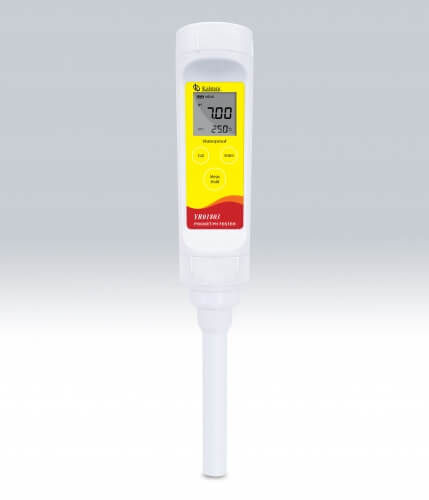
Understanding Measurement Interpretation with the YR01803 Pocket pH Meter
The YR01803 Pocket pH Meter is an essential tool for professionals needing accurate pH measurements in various environments. This article focuses on interpreting results and reading measurements accurately using the YR01803, providing practical techniques and applications.
Technical Specifications of the YR01803
| Specification | Details |
|---|---|
| Model | YR01803 |
| pH Range | -1.00 to 15.00 pH |
| Resolution | 0.01 pH |
| Accuracy | ± 0.01 pH |
| Calibration Points | 1 to 3 points |
| Buffer Options | USA (pH 4.01 / 7.00 / 10.01), NIST (pH 4.01 / 6.86 / 9.18) |
| Temperature Range | 0 to 60 °C / 32 to 140 °F |
| Temperature Compensation | Automatic |
| Power Supply | 2 AAA 1.5V batteries |
| Battery Life | Approximately 200 hours |
| Dimensions | 240 mm (length) × 40 mm (diameter) |
| Weight | 100 grams |
Interpreting pH Measurements with the YR01803
Interpreting pH measurements requires a clear understanding of pH scale, the significance of readings, and the implications of results. The pH scale ranges from 0 to 14, with values below 7 indicating acidity, 7 being neutral, and above 7 indicating alkalinity. The YR01803 provides accurate readings within its range, making it essential for precise applications in clinical, industrial, and educational settings.
Common Misinterpretations and How to Avoid Them
Users may misinterpret pH readings due to various factors. For example, environmental conditions like temperature can affect readings. It is crucial to ensure the YR01803 is calibrated correctly before use, especially when measuring samples that may vary in temperature. Additionally, users should understand that fluctuations in readings may occur due to sample contamination or improper electrode maintenance.
Best Practices for Reading Measurements on the YR01803
To ensure accurate readings, always perform the following best practices:
- Calibrate the meter regularly using appropriate buffer solutions.
- Allow the pH meter to stabilize after insertion into the sample.
- Use the automatic reading function to lock in measurements, ensuring accuracy.
- Regularly inspect and replace the electrode if necessary to maintain precision.
Techniques for Improving Measurement Accuracy
For users seeking to enhance measurement precision, consider employing temperature compensation while taking readings. The YR01803 features automatic temperature compensation, which adjusts readings based on sample temperature. Furthermore, maintain a clean electrode to prevent contamination that could skew results.
Case Studies: Applications of the YR01803 in Various Sectors
The YR01803 finds versatility across various sectors. In clinical environments, it is used for testing blood and urine samples, ensuring accurate pH readings critical for diagnosis. In industrial applications, it measures pH in the production of chemicals, food processing, and wastewater treatment. Educational institutions utilize the YR01803 for teaching students about pH and its importance in various scientific disciplines.
Frequently Asked Questions
What is the significance of the pH level measured by the YR01803?
The pH level indicates the acidity or alkalinity of a solution. It is critical in various applications, as it affects chemical reactions, biological processes, and product quality.
How do I calibrate the YR01803 for accurate pH readings?
To calibrate the YR01803, immerse the electrode in a calibration buffer solution, select the appropriate calibration point (1 to 3), and follow the prompts on the meter to ensure accurate calibration.
What are the optimal operating conditions for the YR01803?
The optimal operating conditions for the YR01803 include a temperature range of 0 to 60 °C and avoiding excessive exposure to moisture or extreme environments that could damage the instrument.
How can I troubleshoot common issues with the YR01803?
Common issues include inconsistent readings or the meter not turning on. For inconsistent readings, check calibration and electrode condition. If the meter does not power on, ensure the batteries are correctly installed and functional.
What maintenance does the YR01803 require for longevity?
Regular maintenance includes cleaning the electrode, performing periodic calibration, and replacing the electrode when necessary to ensure accurate measurements and prolong the device's lifespan.
If you are looking for a fusion of innovation and quality, you have come to the right place. At Kalstein, we offer you the luxury of exploring our exclusive catalog of laboratory equipment. We manufacture every device to the highest standards of excellence. Our intuitive and seamless online purchasing channels are designed for your convenience, securing the most competitive prices. Hesitate no longer — we bring science to life, it is time to become part of our community.