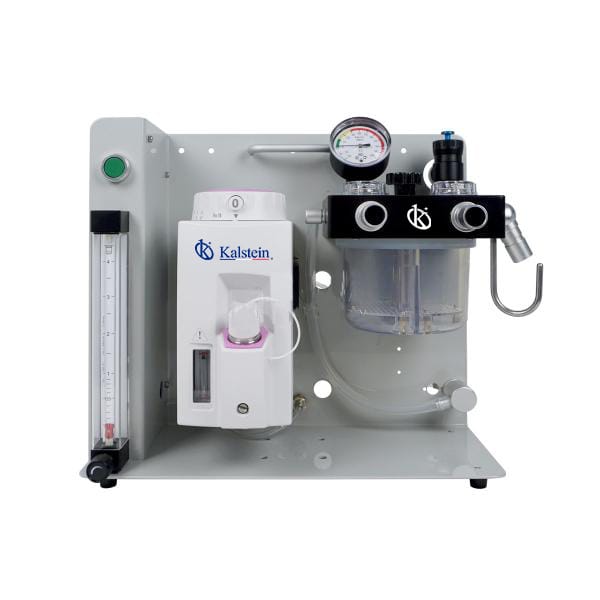
Understanding Measurement Interpretation with the YR06097 Veterinary Portable Anesthesia Machine
The YR06097 Veterinary Portable Anesthesia Machine is a reliable and compact device designed for use in various settings such as veterinary clinics, pet hospitals, and zoos. One of the key aspects of operating this machine effectively involves understanding how to interpret the results and measurements it provides. This article aims to delve into the measurement interpretation, providing practical insights relevant to the YR06097 model.
Technical Overview of the YR06097
| Model | YR06097 |
|---|---|
| Brand | Kalstein |
| Category | Veterinary Anesthesia Machines |
| Price (USD) | $1600.00 |
| Gross Weight | 21 kg |
| Dimensions | 68 x 36 x 50 cm |
Measurement Interpretation in Anesthesia
Understanding measurement interpretation is essential for effective anesthesia management. The YR06097 provides various measurements, and interpreting these accurately ensures safety and efficacy during surgical procedures. Key metrics include airway pressure, oxygen flow rate, and the settings of the APL valve.
When interpreting readings, practitioners must consider the context of the procedure, the patient's condition, and the operation mode of the machine. For instance, during a surgery on a small animal under anesthesia, consistently monitoring the airway pressure (which should range between -20cmH2O to 100cmH2O) will help prevent complications.
Key Measurements and Their Meaning
The YR06097 features several critical measurements that directly impact patient care:
- Airway Pressure Gauge: Indicates the pressure in the airway, helping to assess ventilation efficiency.
- Oxygen Flow Rate: Measures the oxygen delivered to the patient, displayed in liters per minute (L/min).
- APL Valve Readings: Indicates the pressure release setting, which helps to avoid excess pressure buildup.
Understanding these metrics enables practitioners to make informed decisions on adjustments needed for optimal anesthesia delivery.
Common Misinterpretations of Measurements
Misinterpreting readings can lead to inadequate ventilation or excessive anesthesia levels. Here are common pitfalls to avoid:
- Assuming a stable airway pressure reading is always safe without considering the type of procedure.
- Underestimating the need for frequent adjustments in oxygen flow based on the patient’s response.
- Ignoring signs of distress due to misreading APL valve pressures.
By being aware of these potential misinterpretations, operators can enhance patient safety and the overall effectiveness of the anesthesia provided.
Practical Examples of Measurement Interpretation
Let’s consider two scenarios to highlight the importance of accurate measurement interpretation:
Scenario 1: Stable Patient Response
During a routine dental surgery, the YR06097 shows an airway pressure of 10cmH2O. This is within normal limits, suggesting adequate ventilation. The oxygen flow rate is stable at 3L/min. The operator continues monitoring these metrics, ensuring patient stability.
Scenario 2: Increased Airway Pressure
If the airway pressure suddenly spikes to 80cmH2O, the operator must respond promptly by checking the ventilation settings and ensuring no obstructions are present. By adjusting the APL valve to decrease the pressure, the operator can stabilize the patient.
Understanding Units and Normal Ranges
Each measurement has specific units that must be understood for accurate interpretation:
- Airway Pressure: Measured in cmH2O, normal ranges from -20cmH2O to 100cmH2O.
- Oxygen Flow Rate: Measured in L/min, typically adjustable from 0 to 10L/min.
Operators should familiarize themselves with normal ranges to better identify any deviations during procedures.
Frequently Asked Questions
How do I read the display on the YR06097 machine?
The display shows vital metrics, including airway pressure, oxygen flow rate, and APL valve settings. Familiarize yourself with the layout and labels to ensure quick interpretation during use.
What should I do if I see an error code on the YR06097?
Error codes may indicate issues with the machine's functioning. Refer to the user manual for specific error codes and troubleshooting steps for resolution.
Can the YR06097 be used for all animal sizes?
While the YR06097 is versatile, its settings may need adjustments based on the size and weight of the animal. Always calibrate the machine according to the specific needs of the animal being treated.
What is the importance of calibrating the YR06097 before use?
Calibration ensures that the measurements displayed are accurate, allowing for effective delivery of anesthesia and maintaining patient safety during procedures.
How often should I perform maintenance on the YR06097?
Regular maintenance is recommended as outlined in the user manual, typically after every 50 procedures or at least once a month to ensure optimal performance.
If you are looking for a fusion of innovation and quality, you have come to the right place. At Kalstein, we offer you the luxury of exploring our exclusive catalog of laboratory equipment. We manufacture every device to the highest standards of excellence. Our intuitive and seamless online purchasing channels are designed for your convenience, securing the most competitive prices. Hesitate no longer — we bring science to life, it is time to become part of our community.