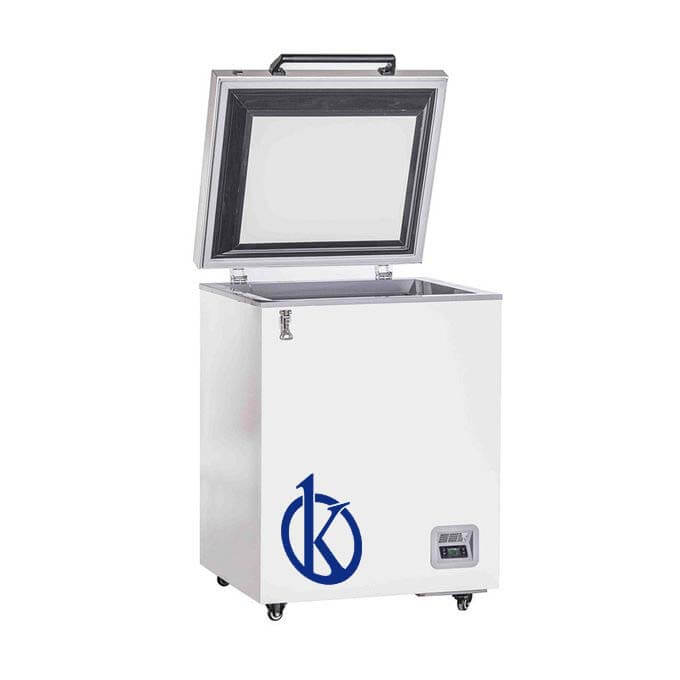
Understanding Measurement Readings from the YR05316 Biomedical Freezer
The YR05316 biomedical freezer is designed to offer precise temperature control for storing samples in hospitals and laboratories. Understanding how to read and interpret the measurements from this model is crucial for ensuring sample integrity and compliance with various protocols. This article delves deep into the interpretation of measurement readings and their significance in the operation of the YR05316.
Technical Specifications of the YR05316
| Specification | Details |
|---|---|
| Model | YR05316 |
| Temperature Range | -10 to -25°C |
| Ambient Temperature | +10 to +32°C |
| Control Type | Microprocessor |
| Power Supply | 220V-240V / 50-60Hz |
| Cooling System | Direct cooling |
| Capacity | 105L |
| Weight | 41.61 kg |
| Alarm Systems | Visual and audible alarms for temperature high/low, sensor errors, power failure |
Understanding Temperature Readings
The YR05316 offers a precise temperature monitoring system that ensures the samples stored within remain at optimal conditions. The digital display provides real-time temperature readings, which can fluctuate based on external environmental factors. It's essential to understand how to interpret these readings effectively.
Temperature readings are usually displayed in degrees Celsius (°C). Users must familiarize themselves with the acceptable ranges for specific samples to maintain their integrity. For instance, biological samples may require storage at strictly maintained low temperatures, typically around -20°C.
Common Measurement Misinterpretations
Misinterpretation of the readings can lead to significant issues. One common error is assuming that the temperature displayed is the same as the internal temperature of the samples. The reading may be influenced by various factors such as door openings, placement of samples, or faulty sensors.
Additionally, fluctuations may occur due to the ambient temperature. For instance, if the freezer is placed in a warmer environment, it may struggle to maintain the desired internal temperature. Therefore, regular calibration and monitoring of the unit are essential practices.
Calibration and Maintenance for Accurate Measurements
Calibration is a vital procedure for maintaining the accuracy of readings in the YR05316. It is recommended to perform calibration checks every six months or whenever there is a significant change in the operating environment.
To calibrate, users should follow the manufacturer's guidelines closely. This typically involves checking the internal temperature against a known standard. If discrepancies are found, adjustments may be required to align the display with actual internal conditions.
Best Practices for Effective Measurement Reading
- Regularly check and document temperature readings to identify patterns or fluctuations.
- Ensure that the freezer door is not left open for prolonged periods, as this can alter internal temperatures.
- Store samples properly, ensuring they are not blocking air vents inside the freezer.
- Utilize temporary temperature monitoring devices for compliance with protocols.
Interpreting Error Codes from the YR05316
Understanding the error codes generated by the YR05316 is fundamental for troubleshooting. Error codes may indicate sensor issues, temperature variance, or power failures. Each code will generally correspond to corrective actions outlined in the user manual.
For example, if an 'E-03' code appears, it may signal a sensor failure. Users should reference the manual for guidance on resolving this error, which often involves checking electrical connections or replacing the sensor.
Frequently Asked Questions
How can I ensure accurate temperature readings from the YR05316?
To ensure accurate readings, regularly calibrate the unit, keep the door closed to maintain internal temperatures, and monitor the ambient conditions where the freezer is located.
What should I do if the YR05316 displays an error code?
If an error code appears, consult the user manual for the specific code. Follow troubleshooting steps, which often include checking connections, recalibrating, or servicing the unit as recommended.
How often should I calibrate the YR05316?
Calibration should be performed every six months or whenever there is a notable change in operating conditions, such as relocation or installation in a different environment.
What is the recommended storage temperature for biological samples in the YR05316?
Biological samples typically require storage at -20°C to ensure integrity. Always refer to specific sample guidelines for temperature requirements.
Can external factors affect the YR05316's temperature readings?
Yes, external factors such as ambient temperature, humidity, and even the frequency of door openings can affect internal temperature readings.
What maintenance is necessary for the YR05316 to function optimally?
Regular checks, cleaning of the internal surfaces, and prompt addressing of any error codes are all essential maintenance practices to ensure optimal performance.
If you are looking for a fusion of innovation and quality, you have come to the right place. At Kalstein, we offer you the luxury of exploring our exclusive catalog of laboratory equipment. We manufacture every device to the highest standards of excellence. Our intuitive and seamless online purchasing channels are designed for your convenience, securing the most competitive prices. Hesitate no longer — we bring science to life, it is time to become part of our community.