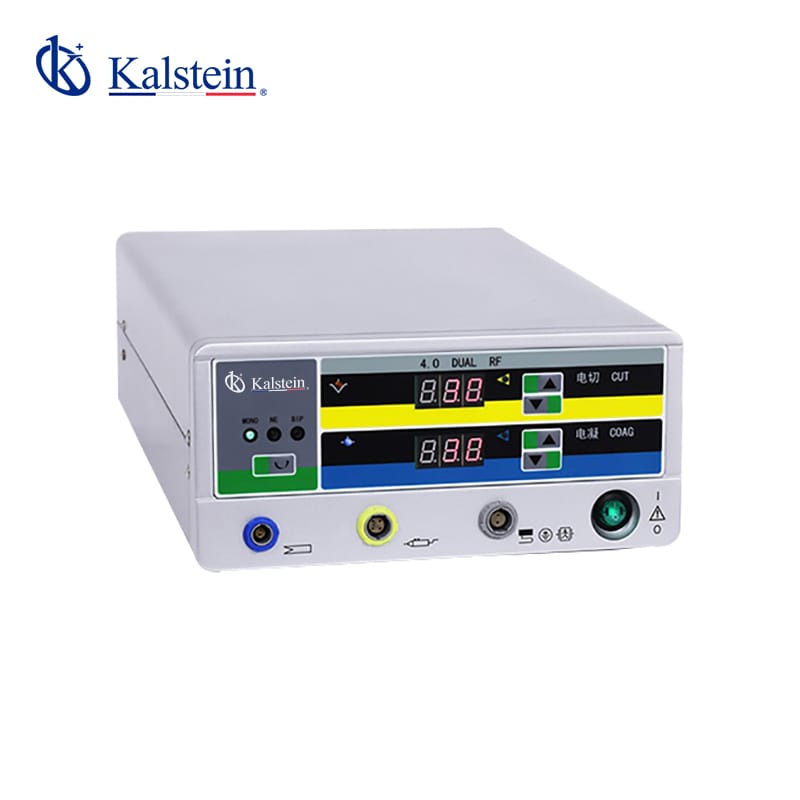
Understanding Results Interpretation and Measurement Reading with the YR02146 Electrosurgical Unit
The YR02146 Electrosurgical Unit represents a significant advancement in surgical technology, designed for precision and efficiency across various medical procedures. This article will explore how to interpret results and read measurements effectively when using the YR02146, ensuring surgical staff can maximize its potential.
Technical Specifications of the YR02146
| Model | Power Output | Weight | Dimensions (WxDxH) |
|---|---|---|---|
| YR02146 | 150w | 7.0 kg | 330 x 450 x 150 mm |
Principle of Operation of the YR02146
The YR02146 operates based on radiofrequency electro-surgery, which utilizes high-frequency electrical currents to cut and coagulate tissue. The unit's ability to adjust power output allows for tailored surgical applications, which is critical in minimizing tissue damage and enhancing recovery times.
This precision is achieved through the device's integration of automatic tissue recognition and output response mechanisms, which adjust power delivery based on tissue density and moisture content. Understanding how these elements interact can dramatically improve surgical outcomes.
Interpreting Measurement Readings
Accurate interpretation of the YR02146 readings is essential for effective surgical practice. The unit provides several outputs, including power levels, impedance measurements, and contact area indicators. Each of these measurements plays a crucial role in ensuring that the electrosurgical techniques are applied effectively.
For instance, power levels displayed during surgery indicate how much energy is being applied. Users must correlate these readings with the expected outcomes — high power settings may be necessary for cutting through dense tissue, while lower settings suffice for delicate coagulation.
Common Misinterpretations of Results
Surgeons occasionally misinterpret the data displayed by the YR02146. Common errors include assuming that higher power always equals better performance. The key lies in understanding the balance between power, tissue type, and desired surgical outcome.
Additionally, misunderstanding the contact area indicators could lead to insufficient or excessive power application. For example, if the contact area is less than 20%, it may indicate inadequate electrode placement, leading to unintended thermal injury or incomplete cutting.
Practical Examples of Measurements
Consider a scenario where a surgeon is performing a laparoscopic procedure. The YR02146 shows a power output of 100 watts with a 15% contact area indication. The surgeon should take this as a cue to adjust the electrode placement to ensure effective tissue interaction, thus avoiding complications such as excessive bleeding or thermal damage.
Another case involves the use of mixed cutting modes. Surgeons must understand how to read the display to switch between pure and mixed modes effectively, depending on the surgical phase, which can significantly influence the outcome.
Site Requirements for Optimal Use
Deploying the YR02146 requires adherence to specific environmental conditions to ensure accuracy and safety. Recommended site preparations include maintaining the operating room temperature between 20-25°C and ensuring a humidity level below 60%.
A checklist for site requirements includes:
- Verify electrical supply specifications (110/240V, 60/50Hz)
- Ensure adequate ventilation to avoid overheating
- Confirm the absence of electromagnetic interference (EMI) sources
Frequently Asked Questions
What are the primary functions of the YR02146 Electrosurgical Unit?
The YR02146 offers seven integrated power output functions that cater to various surgical needs, including cutting and coagulation modes for effective tissue management across multiple surgical disciplines.
How does the power output affect surgical outcomes with the YR02146?
The power output is crucial as it dictates the amount of energy delivered to the tissue, influencing cutting precision and coagulation effectiveness. Proper management of power settings enhances patient safety and surgical success.
What should I do if the YR02146 displays an error code?
Error codes may indicate issues such as improper electrode connection or insufficient power settings. Diagnostic steps include checking electrode placement and reviewing the device settings against the surgical requirements.
How can I ensure accurate readings during surgery?
Ensure that the electrodes are well-connected and that the contact area is adequately monitored throughout the procedure. Regular calibration and validation of the device before surgery can also improve reading accuracy.
What maintenance is required for the YR02146?
Regular maintenance includes cleaning the unit after each use and performing periodic checks on the electrical connections to prevent failures during operation.
Can the YR02146 be used in various surgical fields?
Yes, the YR02146 is versatile and applicable in general surgery, dermatology, plastic surgery, and other fields, making it a valuable tool across surgical practices.
How should I prepare my surgical site for the YR02146?
Preparation involves maintaining proper environmental conditions, ensuring adequate power supply, and confirming that the operating room setup is free from EMI and provides sufficient ventilation.
If you would like to request a quote on the YR02146 Electrosurgical Unit, please reach out to us.
If you are looking for a fusion of innovation and quality, you have come to the right place. At Kalstein, we offer you the luxury of exploring our exclusive catalog of laboratory equipment. We manufacture every device to the highest standards of excellence. Our intuitive and seamless online purchasing channels are designed for your convenience, securing the most competitive prices. Hesitate no longer — we bring science to life, it is time to become part of our community.