Vacuum Ovens: Current Techniques and Protocols in 2026
What is it used for in 2026
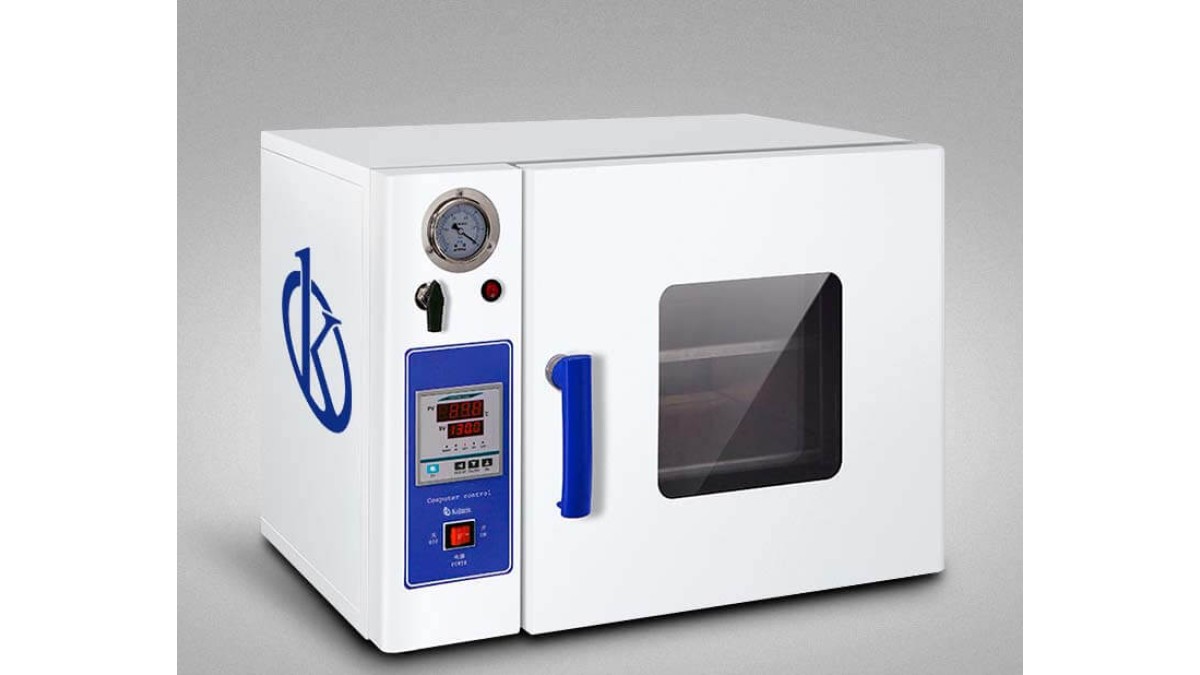
In 2026, vacuum ovens play a crucial role in various laboratory applications. Their ability to lower the boiling point of solvents allows for gentle drying and sterilizing processes without damaging heat-sensitive materials. They are widely used in fields such as pharmaceuticals, biochemistry, agriculture, and environmental research for drying powders, disinfecting glassware, and preparing samples for analysis. These ovens are particularly effective in removing moisture from delicate materials, making them essential in academic and industrial laboratories.
History and evolution of the technology
The development of vacuum oven technology can be traced back to the early 20th century when the scientific community began to recognize the advantages of reducing atmospheric pressure during drying processes. Over the decades, advancements in material science and engineering led to the creation of more efficient heating elements and better insulation materials. In the 21st century, digital interfaces and programmable settings have transformed vacuum ovens, enabling precise control over temperature and pressure settings, contributing to reproducible results.
How to use it step by step
Using a vacuum oven effectively involves several critical steps:
- Preparation: Ensure the vacuum oven is clean and in good working condition. Check for any visible damage.
- Sample Preparation: Place the samples in suitable containers that can withstand vacuum conditions. Avoid overloading the oven.
- Setting Parameters: Set the desired temperature and time on the oven's control panel. Make sure to account for the specific requirements of your materials.
- Evacuation of Air: Close the oven door securely and start the vacuum pump to remove air. Monitor the pressure until it reaches the desired level.
- Drying Process: Allow the samples to dry for the pre-set duration. Monitor the oven to ensure it maintains the set temperature.
- Completion: Once the process is complete, slowly release the vacuum to avoid sudden pressure changes that could damage samples.
- Post-Processing: Retrieve samples carefully and store them in appropriate conditions.
Best techniques and protocols
Employing best practices in using vacuum ovens in 2026 includes:
- Utilizing pre-programmed protocols for specific materials to optimize results.
- Regularly calibrating the oven to maintain accuracy in temperature and pressure readings.
- Implementing a systematic approach to drying that considers the composition and sensitivity of materials.
- Documenting processes and outcomes to ensure reproducibility and reliability in experiments.
- Training laboratory personnel on proper equipment use and safety protocols to minimize risks.
Practical applications by laboratory type
Vacuum ovens find applications across various laboratory types:
- Pharmaceutical Laboratories: Used for drying active ingredients and sterilizing glassware before use.
- Biochemistry Labs: Essential for concentrating samples and preparing them for further analysis.
- Agricultural Research: Helps in drying plant samples and extracting moisture from soils.
- Environmental Testing: Used for preparing samples for contamination and residue analysis.
Regulations, standards and certifications
Compliance with regulations and standards is vital when using vacuum ovens. Laboratories should follow:
- ISO 9001 for quality management systems.
- ISO 13485 for medical devices, ensuring the safety and effectiveness of equipment.
- ASTM standards for material testing and performance evaluation.
- Local health and safety regulations to ensure safe operation and handling of laboratory equipment.
Comparison with alternative technologies
Alternative drying technologies include conventional ovens, freeze dryers, and microwave dryers. While conventional ovens can dry materials, they don’t provide the controlled environment that vacuum ovens offer. Freeze dryers are suitable for sensitive materials but are more expensive and complex. Microwave dryers can reduce drying times significantly but may cause uneven heating.
Comparison of available models
| Model | Best for | Key specs | Recommended use case |
|---|---|---|---|
| YR05260-A | Heat-sensitive materials | Temperature Range: RT + 5 ~ 250°C, Power: 0.9 kW | Ideal for quick drying of powders and sterilizing glassware. |
| YR05261-A | Complex materials | Temperature Range: RT + 5 ~ 250°C, Power: 0.9 kW | Best for drying materials that are easily decomposed. |
| YR05262-SS | General laboratory use | Temperature Range: RT + 5 ~ 250°C, Power: 1.4 kW | Suitable for a variety of applications, including sample preparation. |
| YR05263-SS | High-volume applications | Temperature Range: RT + 5 ~ 250°C, Power: 1.4 kW | Effective for laboratories that require processing large samples. |
| YR05264-A | Delicate items | Temperature Range: RT + 5 ~ 250°C, Power: 0.9 kW | Recommended for drying fragile materials without causing damage. |
| YR05265-SS | Precision drying | Temperature Range: RT + 5 ~ 250°C, Power: 1.4 kW | Best for sensitive applications requiring strict drying protocols. |
Common mistakes and how to avoid them
Common mistakes when using vacuum ovens include:
- Overloading the oven: Leads to uneven drying. Always consult the manufacturer's guidelines.
- Ignoring temperature settings: Not adjusting the temperature for specific materials can result in degradation. Always tailor the settings to the material type.
- Failing to maintain the vacuum: Inconsistent pressure can compromise results. Regularly check vacuum levels and equipment integrity.
- Not documenting procedures: This can hinder reproducibility. Maintain detailed logs for all experiments involving vacuum drying.
Maintenance, calibration and good practices 2026
Maintaining vacuum ovens is essential for optimal performance:
- Regularly calibrate temperature and pressure sensors to ensure accuracy.
- Inspect seals and gaskets for wear and replace them as needed to maintain vacuum integrity.
- Clean the interior after each use to prevent contamination and cross-reactivity.
- Follow the manufacturer's guidelines for maintenance and service schedules to prolong the lifespan of the equipment.
Cost-benefit analysis 2026
When evaluating the cost of vacuum ovens in 2026, consider the following:
- Initial investment versus operational maintenance costs.
- Energy consumption compared to productivity gains from faster drying times.
- The importance of accuracy and reliability in results, which can reduce errors and rework.
- Long-term savings from using durable and efficient equipment versus cheaper alternatives.
Frequently asked questions
What are the key factors to consider when choosing a vacuum oven?
When choosing a vacuum oven, consider factors such as the temperature range, interior dimensions, power consumption, and specific features that suit your laboratory needs. Ensure the model can handle the types of materials you intend to dry.
How often should I calibrate my vacuum oven?
Calibration frequency depends on usage intensity, but it is recommended to calibrate at least once every six months, or more often if the oven is used regularly for critical applications.
Can vacuum ovens be used for sterilization?
Yes, vacuum ovens can effectively sterilize glassware and other tools by removing moisture and exposing materials to heat in a controlled environment, which is critical for microbiological safety.
What precautions should I take when using a vacuum oven?
Always wear appropriate protective equipment, ensure proper ventilation, and avoid overloading the oven. Familiarize yourself with the safety features of the equipment to handle emergencies effectively.
How can I improve the efficiency of my vacuum oven processes?
To enhance efficiency, ensure samples are prepared properly, optimize temperature and vacuum settings, and implement systematic procedures for monitoring and documenting outcomes to refine your drying processes.
Is it necessary to purchase a high-end vacuum oven for small-scale applications?
While high-end models offer more features and reliability, it is essential to assess your specific needs. For small-scale applications, a moderately priced model with the necessary specifications may suffice.
How do I know when to replace my vacuum oven?
Consider replacing your vacuum oven if it frequently requires repairs, maintaining consistent vacuum levels becomes challenging, or if it fails to meet your laboratory's evolving needs for efficiency and accuracy.
If you are looking for a fusion of innovation and quality, you have come to the right place. At Kalstein, we offer you the luxury of exploring our exclusive catalog of laboratory equipment. We manufacture every device to the highest standards of excellence. Our intuitive and seamless online purchasing channels are designed for your convenience, securing the most competitive prices. Hesitate no longer — we bring science to life, it is time to become part of our community.