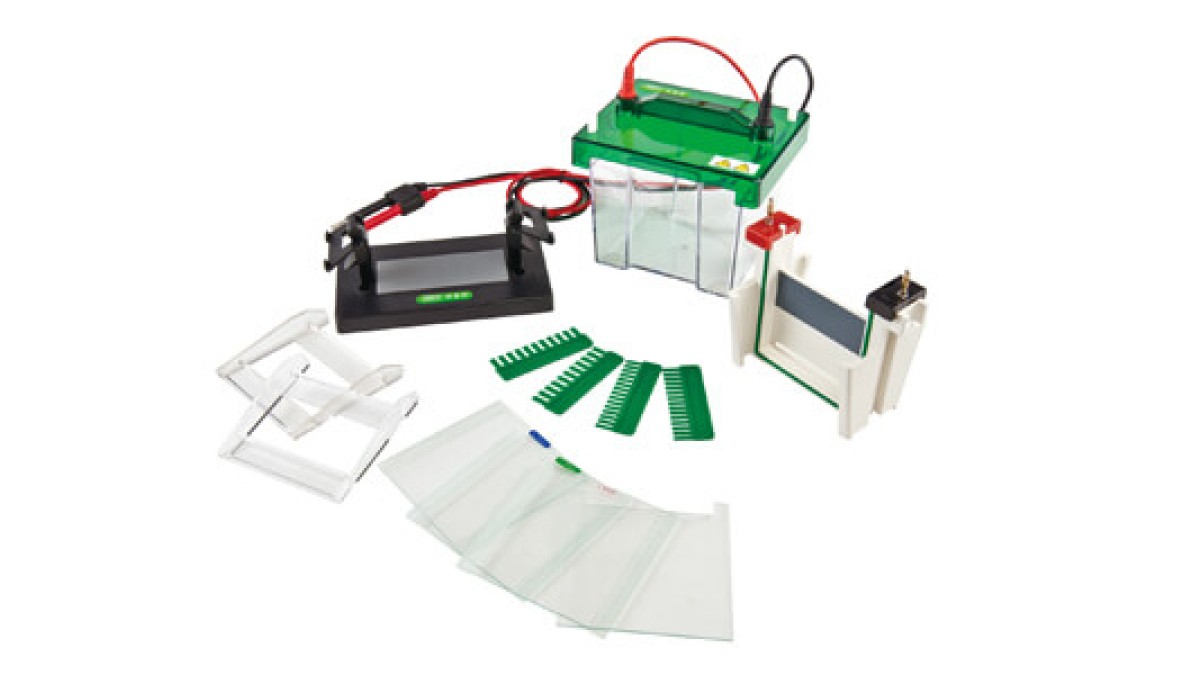
Vertical Electrophoresis: Common Mistakes and How to Avoid Them in Daily Operation 2026
Vertical electrophoresis is a widely used technique in laboratories for separating proteins, and understanding its proper usage is essential for achieving accurate results. In this article, we will explore common mistakes made during operation and provide best practices to help laboratory professionals optimize their workflows.
What is it used for in 2026
In 2026, vertical electrophoresis is primarily used for the separation and analysis of proteins based on their size and charge. This technique is particularly beneficial for studying complex protein mixtures, allowing researchers to investigate protein function, structure, and interactions. Applications include:
- Protein purification and characterization
- Analysis of post-translational modifications
- Comparative proteomics studies
- Quality control in biopharmaceutical production
History and evolution of the technology
The evolution of vertical electrophoresis technology dates back to the mid-20th century, with developments in gel composition and electrical systems. Initially, horizontal electrophoresis was the standard; however, advances led to the adoption of vertical systems due to their efficiency in separating proteins with high resolution. Over the decades, significant improvements have been made in gel materials and apparatus design, enhancing ease of use and reproducibility.
How to use it step by step
Using vertical electrophoresis involves several key steps:
- Prepare the gel solution according to the desired concentration and requirements.
- Pour the gel into a casting tray and insert combs to create wells.
- Allow the gel to polymerize completely.
- Remove the combs and assemble the electrophoresis cell.
- Load samples into the wells, ensuring even distribution.
- Connect the cell to the power supply and set the voltage according to the protocol.
- Run the electrophoresis until the desired separation is achieved.
- Visualize the proteins using appropriate staining methods after electrophoresis.
Best techniques and protocols
For optimal results, adhere to these best techniques:
- Choose the correct gel concentration based on the protein size.
- Use fresh buffer solutions to maintain pH and ionic strength.
- Keep samples on ice before loading to prevent degradation.
- Standardize your sample loading volume to ensure reproducibility.
- Run a molecular weight marker alongside your samples for accurate size estimation.
Practical applications by laboratory type
Vertical electrophoresis is utilized across various laboratory types:
- Biochemistry Labs: Protein analysis and characterization.
- Clinical Labs: Diagnosing diseases through protein markers.
- Research Labs: Investigating protein-protein interactions.
- Pharmaceutical Labs: Quality control of biopharmaceutical products.
Regulations, standards and certifications
Laboratories must comply with various industry regulations and standards, such as:
- ISO 9001 for quality management systems
- Good Laboratory Practices (GLP) for consistency and reliability
- FDA regulations for clinical applications
Comparison with alternative technologies
Vertical electrophoresis offers distinct advantages over alternative methods such as:
- Horizontal electrophoresis: Higher resolution and better separation of proteins.
- HPLC: More suitable for high-throughput analysis but less effective for complex mixtures.
Comparison of available models
| Model | Best for | Key specs | Recommended use case |
|---|---|---|---|
| YR03425 | Small sample analysis | Weight: 1.8 kg, Dimensions: 150x120x115 mm, Price: $303.00 | Ideal for laboratories with limited space. |
| YR03426 | Medium sample throughput | Weight: 2.3 kg, Dimensions: 220x170x120 mm, Price: $405.00 | Suitable for labs needing to cast multiple gels. |
| YR03427 | High capacity runs | Weight: 2.7 kg, Dimensions: 175x175x100 mm, Price: $517.20 | Best for extensive proteomic studies. |
| YR03428 | Versatile gel configurations | Weight: 2.9 kg, Dimensions: 280x140x135 mm, Price: $173.40 | Ideal for varying sample sizes. |
| YR03429 | Dual gel casting | Weight: 5.7 kg, Dimensions: 280x140x250 mm, Price: $238.20 | Perfect for labs with high sample demands. |
| YR03430 | Rapid gel production | Weight: 2.2 kg, Dimensions: 280x140x136 mm, Price: $339.60 | Best for quick analysis turnarounds. |
Common mistakes and how to avoid them
Common mistakes in vertical electrophoresis can compromise results:
- Incorrect gel concentration: Always verify the optimal concentration for your samples.
- Poor sample preparation: Ensure samples are free from contaminants and properly diluted.
- Improper buffer preparation: Use fresh buffers and check pH regularly.
- Overloading samples: Adhere to the recommended loading volume to prevent distortion of bands.
- Ignoring safety protocols: Always wear appropriate PPE and handle samples carefully.
Maintenance, calibration and good practices 2026
Regular maintenance of vertical electrophoresis equipment is vital:
- Clean the apparatus after each use to prevent cross-contamination.
- Inspect electrical connections and leads periodically for safety.
- Calibrate equipment as per manufacturer instructions to ensure operational accuracy.
- Document all maintenance activities for compliance and traceability.
Cost-benefit analysis 2026
Investing in vertical electrophoresis equipment can yield significant benefits:
- High-resolution results justify the purchase cost.
- Enhanced throughput reduces time-to-results, improving overall productivity.
- With proper maintenance, these systems can have a long lifespan, maximizing return on investment.
Frequently asked questions
What factors should I consider when choosing a vertical electrophoresis model?
Consider the volume and type of samples you will be analyzing, space availability in your lab, and your budget. Each model has specific features that cater to different laboratory needs.
How do I prepare my samples for vertical electrophoresis?
Samples should be prepared by diluting them appropriately, ensuring they are free from contaminants, and, if necessary, denaturing proteins to analyze them correctly. Keeping samples on ice can help prevent degradation.
What are the common errors in gel preparation?
Common errors include incorrect gel concentration, not allowing the gel to polymerize fully before use, and using old or improperly stored agarose or acrylamide.
How can I ensure reproducibility in my results?
Adhere to standardized protocols, use fresh reagents, and maintain consistent loading volumes. Document all procedures to ensure any variations can be tracked.
What should I do if my bands appear smeared?
Smeared bands can result from overloaded samples, running the gel too long, or improper gel preparation. Ensure that sample volumes are within recommended limits and consider adjusting running times.
How often should I perform maintenance on my electrophoresis equipment?
Regular maintenance should be performed after every use, including cleaning and inspecting for wear. Detailed maintenance should be scheduled based on manufacturer recommendations, typically every few months.
Where can I find reliable suppliers for vertical electrophoresis equipment?
Reliable suppliers can include specialized laboratory equipment manufacturers and distributors. It is crucial to choose a vendor with a reputation for quality and customer support.
If you are looking for a fusion of innovation and quality, you have come to the right place. At Kalstein, we offer you the luxury of exploring our exclusive catalog of laboratory equipment. We manufacture every device to the highest standards of excellence. Our intuitive and seamless online purchasing channels are designed for your convenience, securing the most competitive prices. Hesitate no longer — we bring science to life, it is time to become part of our community.