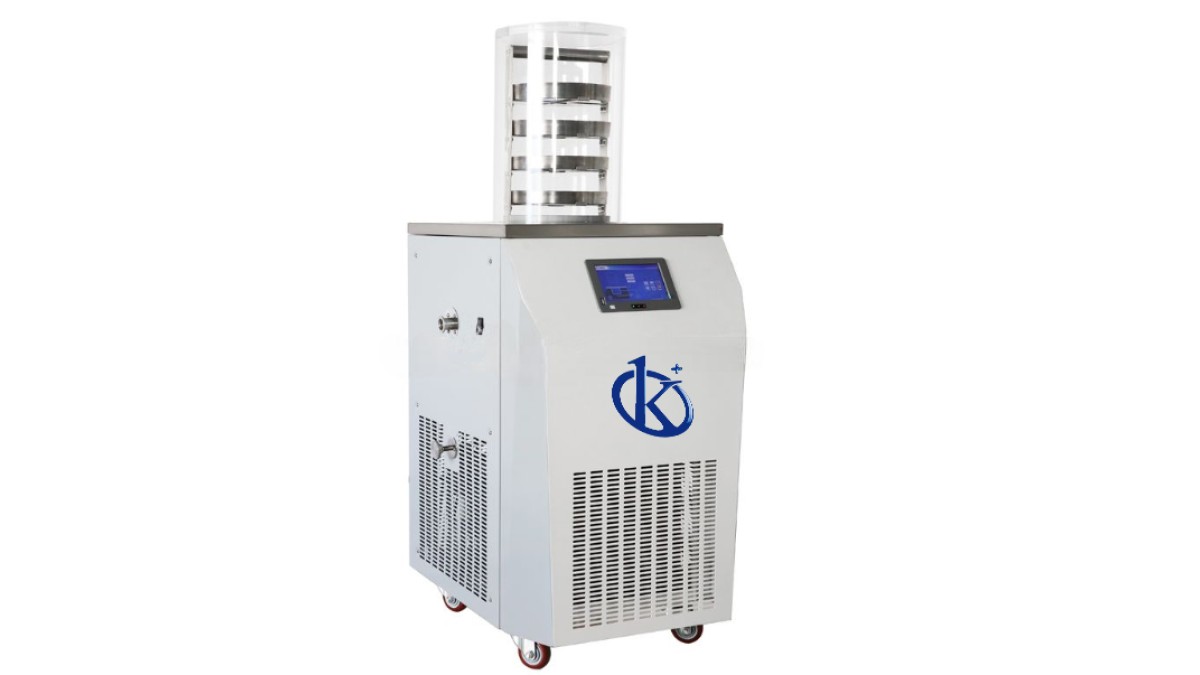
Vertical Laboratory Freeze Dryer: Common Errors and How to Avoid Them in Daily Operation 2026
The Vertical Laboratory Freeze Dryer is an essential piece of equipment in various laboratory settings, widely used in fields such as medicine, pharmacy, biological research, chemistry, and food technology. By preserving the qualities of materials through the freeze-drying process, it allows for long-term storage of valuable samples. However, like any equipment, its operation comes with challenges. Understanding the common mistakes made during its use and knowing how to avoid them will increase efficiency and productivity in the lab.
What is it used for in 2026
In 2026, Vertical Laboratory Freeze Dryers are predominantly utilized for preserving biopharmaceuticals, biological samples, and food products. They work by removing moisture from samples while maintaining their original characteristics and biochemical integrity. Applications include:
- Pharmaceutical production, where stability and longevity of drug compounds are crucial.
- Biological sample preservation, ensuring that proteins and other biomolecules retain their activity.
- Food technology, where freeze-dried fruits and vegetables offer an extended shelf life and convenience.
History and evolution of the technology
The technology behind freeze-drying dates back to the early 20th century. Initially developed for pharmaceuticals during World War II, it has evolved significantly. The introduction of vertical freeze dryers in the late 20th century allowed for more efficient drying processes. Advances in automation and control systems have made modern freeze dryers more user-friendly and reliable, enhancing their role in laboratories.
How to use it step by step
Using a Vertical Laboratory Freeze Dryer involves several important steps:
- Preparation of Samples: Ensure samples are properly prepared and placed in appropriate containers compatible with the drying process.
- Loading the Dryer: Carefully load samples onto the trays, ensuring adequate spacing for efficient airflow.
- Setting Parameters: Configure the freeze-drying parameters, including temperature, pressure, and duration based on the material being dried.
- Monitoring the Process: Regularly check the process through the control panel to ensure it adheres to the set parameters.
- Post-Drying Handling: Once completed, remove the samples carefully and store them in suitable conditions to maintain their integrity.
Best techniques and protocols
Adopting best practices in freeze-drying is crucial for optimizing the results:
- Pre-Freezing: Always pre-freeze samples to enhance the efficiency of the drying process.
- Optimize Vacuum Levels: Ensure the vacuum level is adequately maintained for the specific material being dried.
- Consistent Monitoring: Utilize monitoring software that can alert operators to deviations from set parameters.
Practical applications by laboratory type
Different laboratory types utilize Vertical Laboratory Freeze Dryers in varied ways:
- Pharmaceutical Labs: Employ these dryers for the preservation of vaccines and other sensitive medications.
- Biotechnology Labs: Use freeze drying for preserving enzymes, antibodies, and other biological materials.
- Food Industry: Freeze-dried fruits and vegetables for snacks and extended shelf life products.
Regulations, standards and certifications
Compliance with regulations is crucial. Relevant standards include:
- FDA regulations for pharmaceutical manufacturing.
- ISO standards related to laboratory equipment and processes.
- Good Manufacturing Practice (GMP) guidelines.
Comparison with alternative technologies
Vertical freeze dryers offer several advantages over alternative drying technologies such as conventional ovens or air-drying methods:
- Preservation of volatile components and nutrients.
- Reduced risk of thermal degradation.
- Longer shelf life for sensitive materials.
Comparison of available models
| Model | Best for | Key specs | Recommended use case |
|---|---|---|---|
| YR05198 | General laboratory use | Price: $4392.00, Area: 0.18m²/0.27m² | Routine lyophilization for various samples |
| YR05199 | General laboratory use | Price: $4882.00, Area: 0.09m² | Routine lyophilization for smaller batches |
| YR05200 | General laboratory use | Price: $4178.00, Area: 0.18m²/0.27m² | Routine lyophilization for various samples |
| YR05201 | General laboratory use | Price: $5061.00, Area: 0.09m² | Routine lyophilization for smaller batches |
| YR05985-1 | Freeze-drying fruits and vegetables | Price: $16800.00, Area: 0.7m² | Large-scale food preservation |
| YR05985-2 | Freeze-drying fruits and vegetables | Price: $21000.00, Area: 1.04m² | Large-scale food preservation with enhanced features |
Common mistakes and how to avoid them
Common errors made during the operation of Vertical Laboratory Freeze Dryers include:
- Not pre-freezing samples: Always pre-freeze samples to reduce drying time and improve results.
- Overloading the Dryer: Avoid overloading trays to ensure proper airflow and drying efficiency.
- Ignoring Maintenance Schedules: Regular maintenance is essential to prevent mechanical failures and prolong equipment life.
Maintenance, calibration and good practices 2026
To ensure optimal performance, follow these maintenance practices:
- Regular Calibration: Calibrate temperature and pressure settings to maintain accuracy.
- Cleaning: Perform routine cleaning of the interior and exterior components of the dryer.
- Record Keeping: Maintain detailed records of maintenance and calibration for compliance and troubleshooting.
Cost-benefit analysis 2026
While the initial investment in Vertical Laboratory Freeze Dryers can be substantial, the long-term benefits usually outweigh the costs. Considerations include:
- Reduction in material waste through effective preservation.
- Increased shelf life of products leading to higher customer satisfaction.
- Potential for expanding laboratory capabilities, resulting in new revenue streams.
Frequently asked questions
What are the main benefits of using a Vertical Laboratory Freeze Dryer?
Vertical Laboratory Freeze Dryers offer superior preservation of sensitive materials, extended shelf life of samples, and minimal loss of volatile compounds during the drying process.
How can I determine the right model for my needs?
Consider the volume of samples you typically process, the nature of those samples, and your budget. Evaluate the specifications of each model to match your requirements.
What maintenance is required for consistent performance?
Regular maintenance includes calibration, cleaning, and adhering to a service schedule. Document all maintenance actions to ensure compliance and operational integrity.
Can moisture levels affect the freezing process?
Yes, high moisture levels can hinder the freeze-drying process. Ensure samples are adequately prepared and pre-frozen to minimize moisture content before loading.
Is training required to operate these dryers effectively?
While basic operation can be straightforward, comprehensive training on the specific model’s features and maintenance routines is highly recommended to maximize efficiency and avoid errors.
What should I do if the equipment fails during operation?
Follow troubleshooting steps based on the equipment manual, and consult with technical support if issues persist. Regular maintenance can help prevent unexpected failures.
How do I request a quote for a Vertical Laboratory Freeze Dryer?
Please reach out through our contact page to request a quote tailored to your specific needs and requirements.
If you are looking for a fusion of innovation and quality, you have come to the right place. At Kalstein, we offer you the luxury of exploring our exclusive catalog of laboratory equipment. We manufacture every device to the highest standards of excellence. Our intuitive and seamless online purchasing channels are designed for your convenience, securing the most competitive prices. Hesitate no longer — we bring science to life, it is time to become part of our community.