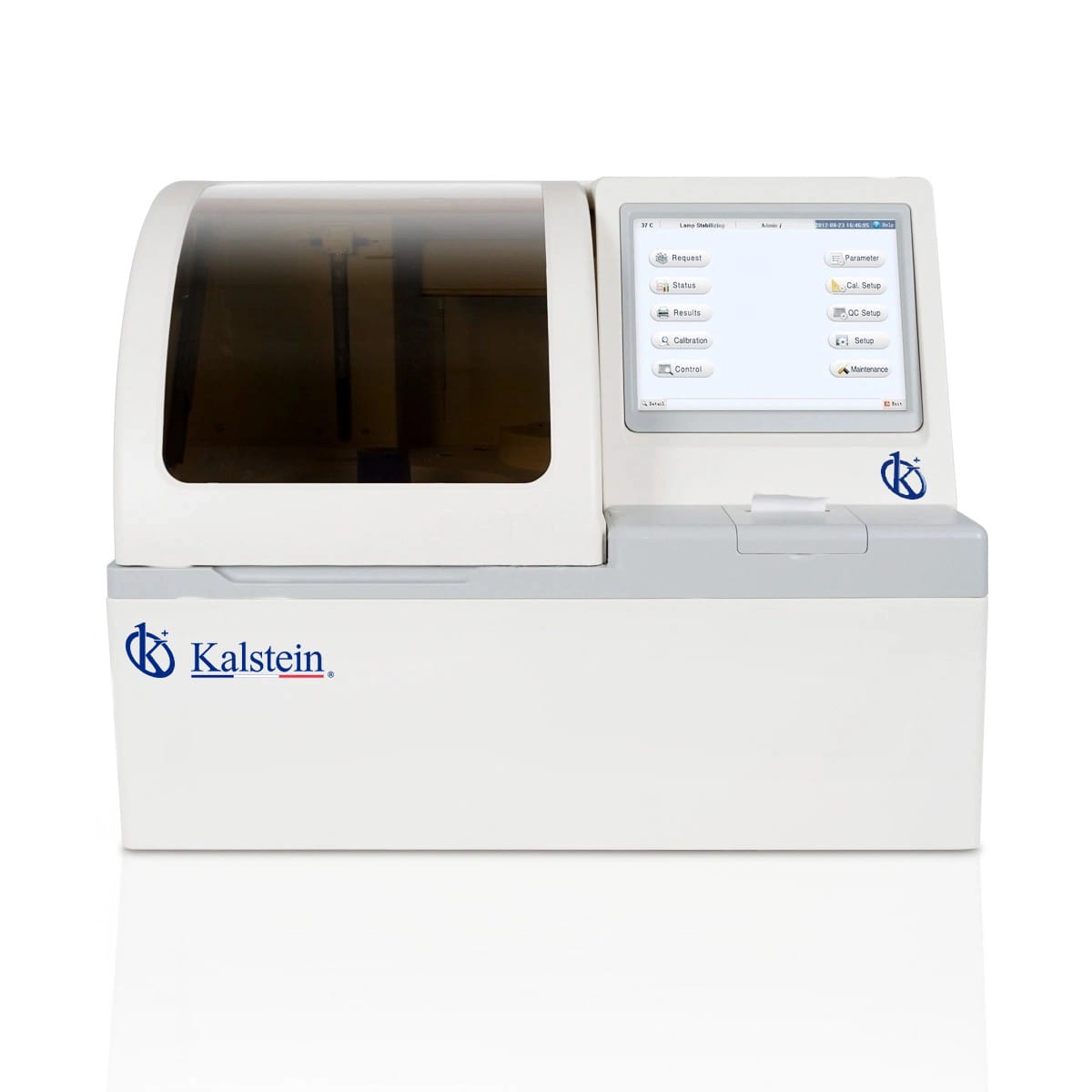
Veterinary Chemistry Analyzers: Practical Applications and Techniques 2026
Veterinary chemistry analyzers are essential tools in veterinary practices and research laboratories. They provide critical insights into animal health by analyzing various biological samples. In this article, we will discuss how to effectively use these analyzers, their applications, and best practices in 2026.
What is it used for in 2026
Veterinary chemistry analyzers are used for analyzing blood, urine, and other biological fluids to assess the health of animals. In 2026, they have become indispensable in diagnosing diseases, monitoring health status, and managing treatment plans for pets, livestock, and wildlife. These analyzers facilitate rapid testing and yield accurate results, allowing veterinarians to make informed decisions promptly.
History and evolution of the technology
The evolution of veterinary chemistry analyzers began in the late 20th century, with the introduction of basic laboratory devices that performed limited tests. Over time, advancements in technology led to the development of automatic analyzers that could handle multiple tests simultaneously with high precision. By 2026, these analyzers have integrated sophisticated software, enabling customization, enhanced accuracy, and user-friendly interfaces.
How to use it step by step
Using a veterinary chemistry analyzer involves several key steps:
- Sample Preparation: Collect the biological samples (blood, urine, etc.) and prepare them according to the analyzer’s guidelines.
- Calibration: Ensure the analyzer is calibrated correctly using standard reagents to maintain accuracy.
- Testing: Load the samples into the analyzer as per the manufacturer’s instructions.
- Result Analysis: After testing, analyze the results generated by the software.
- Report Generation: Generate and review reports for clinical decision-making.
Best techniques and protocols
To maximize the efficacy of veterinary chemistry analyzers, follow these best practices:
- Regularly update software to leverage the latest features.
- Implement strict quality control measures to ensure accuracy.
- Train personnel thoroughly on operating the analyzer and interpreting results.
- Use appropriate reagents and ensure they are within their expiration dates.
Practical applications by laboratory type
Veterinary chemistry analyzers are used across various laboratory settings, including:
- Small Animal Clinics: For routine health check-ups and diagnostics in pets.
- Large Animal Veterinary Practices: To monitor the health of livestock and optimize their production.
- Research Laboratories: For studying animal diseases and developing treatment protocols.
Regulations, standards and certifications
Veterinary chemistry analyzers must comply with various regulations and standards to ensure safety and efficacy. These include:
- ISO 13485 for quality management systems in medical devices.
- Local veterinary regulations that govern laboratory practices.
- CE marking for devices sold in Europe, indicating compliance with health and safety standards.
Comparison with alternative technologies
While veterinary chemistry analyzers are widely used, alternative technologies such as manual testing methods and point-of-care devices exist. Compared to these alternatives, automatic analyzers offer:
- Higher throughput and speed of results.
- Greater accuracy and reduced human error.
- Comprehensive testing capabilities in a single device.
Comparison of available models
| Model | Best for | Key specs | Recommended use case |
|---|---|---|---|
| YR06168 | High-throughput testing | Performance up to 100 tests/hour | Routine diagnostics in busy veterinary clinics |
| YR06169 | Portable testing | 8.4-inch touchscreen, 100μl sample | Field testing and mobile clinics |
| YR06172 | Immunofluorescence testing | 7-inch touchscreen, 2-hour battery life | Specialized immunology labs |
| YR06174 | Blood gas analysis | Multi-combination parameters, high-resolution | Emergency veterinary medicine |
| YR06077 | Comprehensive testing | 34 fixed tests, USB compatible | General veterinary practices |
Common mistakes and how to avoid them
Some common mistakes when using veterinary chemistry analyzers include:
- Incorrect Sample Handling: Always follow proper protocols for sample collection and processing.
- Neglecting Calibration: Regularly calibrate the device to ensure accurate results.
- Failure to Update Software: Keep your software updated for optimal performance.
Maintenance, calibration and good practices 2026
To maintain your veterinary chemistry analyzer:
- Clean the device regularly as per the manufacturer's instructions.
- Perform scheduled maintenance checks to prevent breakdowns.
- Calibrate the instruments as recommended to ensure consistent accuracy.
Cost-benefit analysis 2026
Investing in a veterinary chemistry analyzer can be costly, but the benefits often outweigh the expenses. Considerations include:
- Reduction in manual labor and time savings.
- Increased diagnostic capabilities, leading to better patient outcomes.
- The ability to offer a wider range of tests increases client satisfaction and revenue.
Frequently asked questions
What should I consider when choosing a veterinary chemistry analyzer?
Consider factors such as the type of tests needed, throughput requirements, ease of use, and budget constraints.
How often should I calibrate my analyzer?
Calibration frequency depends on usage; however, it is recommended to calibrate at least once a month or before conducting extensive testing.
Can I use my analyzer for different species?
Yes, most modern veterinary chemistry analyzers can be configured for multiple animal species, though some may have limitations.
What are the common types of tests performed?
Common tests include blood glucose, liver enzymes, kidney function tests, and electrolyte levels.
Is it necessary to have a dedicated technician for operating the analyzer?
While it is beneficial for efficiency, trained veterinary staff can also operate the analyzer competently with proper training.
How can I ensure the accuracy of my results?
Regular maintenance, calibration, and quality control measures are essential to ensure accurate results.
Where can I request a quote for a veterinary chemistry analyzer?
If you are interested in acquiring a veterinary chemistry analyzer, you can request a quote on Kalstein Plus.
If you are looking for a fusion of innovation and quality, you have come to the right place. At Kalstein, we offer you the luxury of exploring our exclusive catalog of laboratory equipment. We manufacture every device to the highest standards of excellence. Our intuitive and seamless online purchasing channels are designed for your convenience, securing the most competitive prices. Hesitate no longer — we bring science to life, it is time to become part of our community.