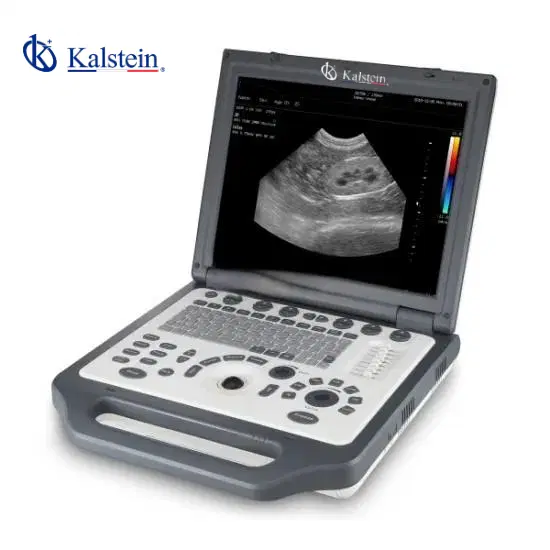
Veterinary Color Doppler: Practical Applications and Techniques 2026
Veterinary Color Doppler technology has revolutionized the way veterinarians diagnose and treat various conditions in animals. In 2026, it continues to play a crucial role in clinical and hospital laboratories, enhancing diagnostic capabilities and improving patient outcomes.
What is it used for in 2026
Veterinary Color Doppler systems are primarily used for evaluating blood flow and cardiovascular health in animals. By utilizing ultrasound technology, veterinarians can visualize blood flow in real time, assess organ function, and detect abnormalities such as heart defects, vascular obstructions, and tumors. These systems assist in making accurate diagnoses, planning treatments, and monitoring the progress of certain conditions. They are particularly beneficial for species like dogs, cats, horses, and livestock, providing essential insights into their health status.
History and evolution of the technology
The development of Doppler ultrasound in veterinary medicine dates back to the 1980s, when initial models were introduced to aid in the diagnosis of cardiac conditions. Over the years, advancements in digital imaging, software capabilities, and transducer technology have led to more sophisticated and user-friendly systems. Today, models such as the Veterinary Laptop with Color Doppler YR06139 and the Veterinary Color Doppler System YR06140 incorporate high-resolution displays and advanced imaging techniques, making them indispensable tools in veterinary practice.
How to use it step by step
Using Veterinary Color Doppler systems effectively involves several steps:
- Preparation: Ensure the equipment is charged and all necessary probes are available. Prepare the animal by ensuring they are calm and properly positioned.
- Connecting the equipment: Attach the appropriate transducer to the main unit and connect any necessary cables.
- Calibration: Calibrate the device according to the manufacturer’s guidelines to ensure optimal performance.
- Scanning: Apply a suitable ultrasound gel to the area being examined. Position the transducer and begin scanning, adjusting settings as needed to optimize image quality.
- Analysis: Observe the blood flow patterns on the display, capturing images and recording measurements as necessary for diagnosis.
- Reporting: Generate a diagnostic report that includes findings, images, and any recommendations for treatment.
Best techniques and protocols
To achieve the best results with Veterinary Color Doppler technology, follow these techniques:
- Use high-quality ultrasound gel to ensure proper contact and eliminate air pockets.
- Familiarize yourself with the various settings on the machine, such as gain, depth, and color flow, to optimize imaging.
- Utilize the multiple frequency probes available for different types of animals and body parts.
- Incorporate Doppler mode selectively based on the area of interest, whether assessing cardiac, vascular, or abdominal conditions.
Practical applications by laboratory type
Veterinary Color Doppler systems find extensive applications across various laboratory settings:
- Clinical Laboratories: Used for routine heart and vascular assessments in companion animals.
- Specialty Clinics: Essential for cardiac specialists performing detailed examinations on breeds predisposed to heart conditions.
- Research Facilities: Utilized in studies involving animal physiology and the effects of treatments on cardiovascular health.
- Emergency Veterinary Services: Critical for rapid assessment of trauma cases where vascular injuries may be present.
Regulations, standards and certifications
Veterinary Color Doppler devices must comply with various regulations and standards:
- Devices should meet international standards established by organizations like ISO and IEC for medical equipment.
- Regular calibration and maintenance are required to ensure compliance with veterinary practice regulations.
- Personnel operating the equipment should have proper training and certification in ultrasound technology.
Comparison with alternative technologies
When compared to alternative imaging technologies such as X-rays and MRI, Veterinary Color Doppler has distinct advantages:
- Non-invasive: Color Doppler provides real-time blood flow visualization without invasive procedures.
- Dynamic Imaging: It allows for real-time assessment of cardiovascular function, unlike static images from X-rays.
- Cost-effective: Generally, Color Doppler systems are less expensive to operate compared to MRI machines.
Comparison of available models
| Model | Best for | Key specs | Recommended use case |
|---|---|---|---|
| YR06139 | Portable diagnostics for various animals | High-resolution 15" LCD, Weight < 5kg | Field diagnostics and routine examinations |
| YR06140 | Comprehensive cardiovascular assessments | Full digital imaging technology, ≥500GB internal storage | Specialty clinics with high demand for data |
| YR06141 | Advanced veterinary care in hospitals | Adjustable 19" touch screen, Multiple probe connections | Emergency services and complex diagnostics |
Common mistakes and how to avoid them
Operating Veterinary Color Doppler systems can be challenging, and common mistakes include:
- Improper probe placement: Ensure correct positioning to avoid misinterpretation of results.
- Neglecting calibration: Regularly calibrate the system to maintain accuracy.
- Inadequate patient preparation: Ensure animals are comfortable to minimize movement artifacts during scanning.
Maintenance, calibration and good practices 2026
Proper maintenance and calibration are critical for optimal performance:
- Schedule routine maintenance checks according to the manufacturer's recommendations.
- Keep a log of all calibrations and maintenance performed on each unit.
- Train staff on the proper handling and maintenance of the equipment to extend its lifespan.
Cost-benefit analysis 2026
Investing in Veterinary Color Doppler technology offers numerous benefits:
- High ROI: Improved diagnostic capabilities can lead to better patient outcomes and increased client satisfaction.
- Reduced referral costs: Able to perform complex assessments in-house reduces the need for outside referrals.
- Versatile applications: Can be used across various species and conditions, enhancing practice revenue.
Frequently asked questions
What types of animals can be scanned using Veterinary Color Doppler?
Veterinary Color Doppler systems are effective for scanning a variety of animals, including dogs, cats, horses, and livestock. Each model may have specific specifications tailored to different species, so it is crucial to choose the correct equipment based on the intended use.
How do I choose the right Veterinary Color Doppler system for my practice?
Consider the specific needs of your practice, such as the types of animals treated, the complexity of cases, and budget constraints. Evaluate the features of each model, including portability, image quality, and data management capabilities.
What are the common troubleshooting steps if my system is not functioning correctly?
Check all connections to ensure they are secure, verify that the device is properly calibrated, and review the probe settings. If problems persist, consult the user manual for troubleshooting guidance or contact technical support.
Can Veterinary Color Doppler systems be used for routine check-ups?
Yes, these systems are well-suited for routine cardiovascular assessments, allowing veterinarians to monitor the health of animals and detect any potential issues early on.
What type of training is required to operate Veterinary Color Doppler systems?
Veterinary professionals typically require training in ultrasound technology, which includes understanding how to operate the device, interpret images, and apply the findings to clinical practice. Many manufacturers offer training programs as part of the purchase.
How often should I calibrate my Veterinary Color Doppler system?
Calibration frequency may vary based on usage; however, it is recommended to calibrate the system at least monthly or after any major repairs or maintenance to ensure optimal performance.
If you are looking for a fusion of innovation and quality, you have come to the right place. At Kalstein, we offer you the luxury of exploring our exclusive catalog of laboratory equipment. We manufacture every device to the highest standards of excellence. Our intuitive and seamless online purchasing channels are designed for your convenience, securing the most competitive prices. Hesitate no longer — we bring science to life, it is time to become part of our community.