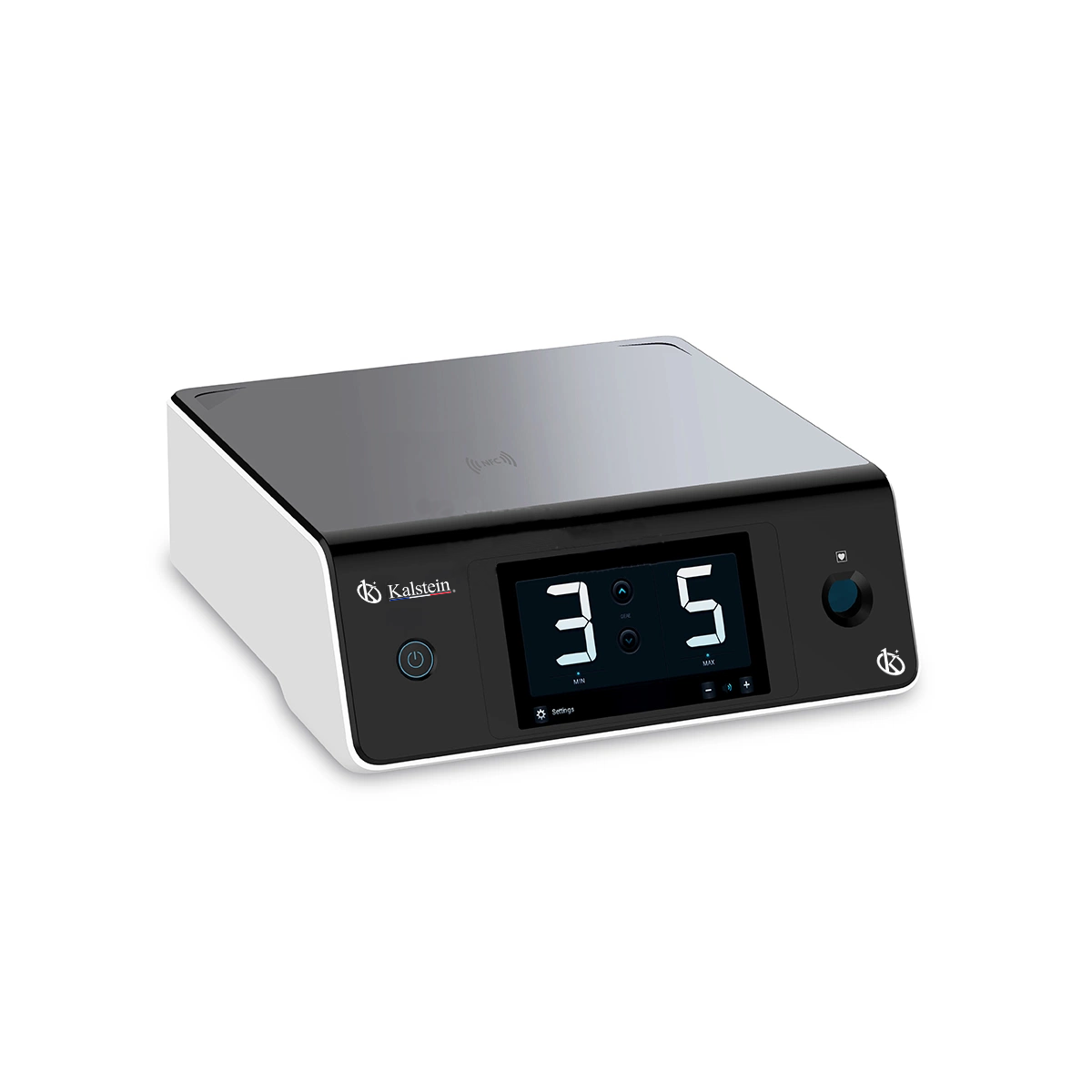
Veterinary Electrosurgical Units: Applications in Research, Biotechnology, and Academia 2026
Veterinary Electrosurgical Units (VEUs) have become essential tools in veterinary practice and laboratory settings, offering precision in tissue management and surgical procedures. As we delve into 2026, understanding their applications, techniques, and workflow integration is vital for laboratory professionals. This article will provide insights into the usage, history, techniques, and the best practices for utilizing these units effectively.
What is it used for in 2026
In 2026, Veterinary Electrosurgical Units are primarily used for a range of surgical applications, such as cutting, coagulating, and sealing tissues during various procedures. Their efficiency in hemostasis and precision cutting significantly minimizes blood loss and promotes faster recovery in veterinary patients. These units are widely utilized in:
- General surgery
- Oncology procedures
- Ophthalmic surgeries
- Orthopedic operations
- Soft tissue surgeries
With advancements in technology, VEUs now incorporate features such as improved control mechanisms, multifunctionality, and enhanced safety protocols, making them invaluable in both veterinary clinics and research environments.
History and evolution of the technology
The concept of electrosurgery dates back to the early 20th century, but it wasn't until the 1980s that significant advancements were made in veterinary applications. Initially, electrosurgical devices were large, cumbersome, and limited in function. Over the decades, technology has evolved, leading to the development of compact, versatile, and user-friendly units. The integration of modern electronics, such as closed-loop current control and adaptive tissue response, has revolutionized the effectiveness of VEUs. Today, models like the Veterinary Ultrasonic Scalpel YR06129 and the Vascular Blood Vessel Sealing Generator YR06131 exemplify advanced engineering and design in electrosurgical technology.
How to use it step by step
Using Veterinary Electrosurgical Units effectively requires a clear understanding of their functionalities and proper operational protocols. Here are the general steps to follow:
- Preparation: Ensure that all instruments are sterile and ready for use. Familiarize yourself with the electrosurgical unit's controls and settings.
- Power On: Turn on the unit and select the appropriate mode for the procedure (e.g., cutting, coagulation).
- Calibration: Inspect and calibrate the unit as per manufacturer guidelines to ensure optimal performance.
- Connect Electrodes: Attach the correct electrodes or handpieces required for the specific surgical task.
- Monitor Settings: Adjust the output settings (power, frequency) based on the type of procedure and tissue being treated.
- Perform Surgery: Proceed with the surgical procedure, using the electrosurgical unit to manage tissues effectively, ensuring to maintain visual contact and precise control throughout.
- Post-Procedure: Turn off the unit, disconnect the electrodes, and perform any necessary cleanup and sterilization of the instruments.
Best techniques and protocols
Effective techniques and protocols are essential for maximizing the performance of Veterinary Electrosurgical Units:
- Maintain a Steady Hand: Ensuring a steady hand during procedures aids in achieving precision and minimizing tissue damage.
- Use Appropriate Power Settings: Adjust power settings according to the tissue type to avoid excessive thermal injury.
- Monitor Tissue Response: Be attentive to changes in tissue color and texture to adjust techniques appropriately.
- Train and Educate: Continuous education and training on the latest models and techniques can lead to better outcomes and enhanced safety.
- Adhere to Safety Protocols: Always follow safety protocols and guidelines to protect both patients and operators from potential hazards.
Practical applications by laboratory type
The applications of Veterinary Electrosurgical Units vary across different types of veterinary laboratories:
Research Laboratories
In research settings, VEUs facilitate exploratory surgeries and tissue samples, providing data on various physiological responses.
Clinical Laboratories
Clinical environments benefit from VEUs during routine surgical procedures, ensuring high efficiency and safety in patient management.
Teaching Hospitals
VEUs serve as an educational tool in veterinary schools, allowing students to practice surgical techniques under supervision.
Private Veterinary Practices
Private practices utilize VEUs for a range of surgical procedures, promoting a quick recovery and better patient outcomes.
Regulations, standards and certifications
In 2026, Veterinary Electrosurgical Units must comply with specific regulatory standards to ensure safety and efficacy. These include:
- ISO 13485 for quality management systems in medical devices
- IEC 60601 for medical electrical equipment safety
- Local regulatory body certifications based on the region
Adhering to these standards is crucial for manufacturers and users in ensuring that the devices meet necessary safety regulations.
Comparison with alternative technologies
While Veterinary Electrosurgical Units are highly effective, there are alternative technologies available. Here’s a quick comparison:
- Laser Surgery: Offers precision and minimal thermal damage but can be more expensive and requires additional training.
- CO2 Laser Units: Excellent for soft tissue cutting with less smoke and more precision, but again, the cost may be a factor.
- Traditional Surgical Techniques: More familiar to many practitioners but typically involve more blood loss and longer recovery times.
Comparison of available models
| Model | Best for | Key specs | Recommended use case |
|---|---|---|---|
| YR06129 | Precision tissue cutting and sealing | Power: 690VA, Amplitude: 20-100um, Max output current: 380mA | Use in surgeries requiring high precision and minimal thermal damage. |
| YR06130 | General veterinary surgeries | Power: 35 watts max, Frequency: 55.5+0.5 KHz | Applicable in a variety of surgical environments including gynecology and urology. |
| YR06131 | Laparoscopic and open procedures | Max power: 300 watts, Automatic identification | Ideal for surgeries requiring uniform sealing of blood vessels. |
| YR06132 | General and soft tissue surgeries | Modes: Pure 300W, Mixed 250W, Coagulation: 120W | Effective for various surgical techniques requiring cutting and coagulation. |
| YR06133 | Veterinary laser surgery | Power: 15W, Dual wavelength: 810nm/980nm | Portable solution for diverse surgical applications with flexible use. |
| YR06134 | Advanced surgical applications | Power: 15W + 15W, Dual wavelength: 810nm/980nm | Best for complex procedures needing precision and minimal recovery time. |
Common mistakes and how to avoid them
When using Veterinary Electrosurgical Units, common mistakes can lead to complications. Here are ways to avoid them:
- Ignoring Manufacturer Instructions: Always follow the specific operational guidelines provided by the manufacturer to ensure proper use.
- Improper Calibration: Failing to calibrate can lead to inadequate performance; always check settings before procedures.
- Neglecting Safety Protocols: Ensure all safety measures are in place to protect both patients and surgical staff.
- Inadequate Training: Regular training and refreshers on the equipment can help avoid misuse.
Maintenance, calibration and good practices 2026
Effective maintenance of Veterinary Electrosurgical Units is crucial for longevity and performance. Here are best practices:
- Regular Cleaning: Ensure the unit is cleaned and sterilized after each use to maintain hygiene.
- Frequent Calibration: Calibrate the device regularly to ensure accurate output and performance.
- Inspect Components: Regularly check all components, including electrodes and handpieces, for wear and tear.
- Document Maintenance: Keep a log of maintenance and calibration activities for reference and compliance.
Cost-benefit analysis 2026
Investing in Veterinary Electrosurgical Units presents both costs and benefits:
- Initial Cost: The upfront cost can be high; however, models range from $1,600 to $5,600 based on features.
- Operational Efficiency: The units enhance surgical efficiency, reducing operation time and increasing patient turnover.
- Cost Savings: Minimizing blood loss and improving recovery times can lead to lower overall treatment costs.
- Return on Investment: Increased patient satisfaction and higher surgical success rates contribute to long-term financial benefits.
Frequently asked questions
How do I choose the right Veterinary Electrosurgical Unit for my practice?
Consider the types of surgeries you typically perform, the power output, and the specific features you need, such as cutting versus coagulation capabilities. Evaluate your budget and the unit's compliance with safety regulations.
What training is required to use Veterinary Electrosurgical Units effectively?
Training should include hands-on instruction on the specific model, understanding operational protocols, safety practices, and troubleshooting minor issues. Continuous education is recommended for best practices.
Can I use Veterinary Electrosurgical Units on all types of tissue?
While VEUs are versatile, you should adjust the settings based on the tissue type being treated. Understanding the tissue's response is key to avoiding complications.
What are the maintenance requirements for Veterinary Electrosurgical Units?
Regular cleaning, calibration, and inspection of components are essential. Maintain a maintenance log and follow manufacturer guidelines to ensure optimal performance.
How can I ensure safety while using Veterinary Electrosurgical Units?
Always adhere to safety protocols, keep your workspace organized, and ensure all staff are trained on emergency procedures. Regular equipment checks and proper personal protective equipment (PPE) usage are crucial.
What are the key differences between electrosurgery and laser surgery in veterinary practices?
Electrosurgery is typically more versatile and can be less expensive, while laser surgery offers precision and minimal thermal damage. Each method has its advantages, depending on the specific surgical requirements.
Where can I request a quote for Veterinary Electrosurgical Units?
You can request a quote through the appropriate channels from your equipment provider or directly from Kalstein for competitive pricing and expert recommendations.
If you are looking for a fusion of innovation and quality, you have come to the right place. At Kalstein, we offer you the luxury of exploring our exclusive catalog of laboratory equipment. We manufacture every device to the highest standards of excellence. Our intuitive and seamless online purchasing channels are designed for your convenience, securing the most competitive prices. Hesitate no longer — we bring science to life, it is time to become part of our community.