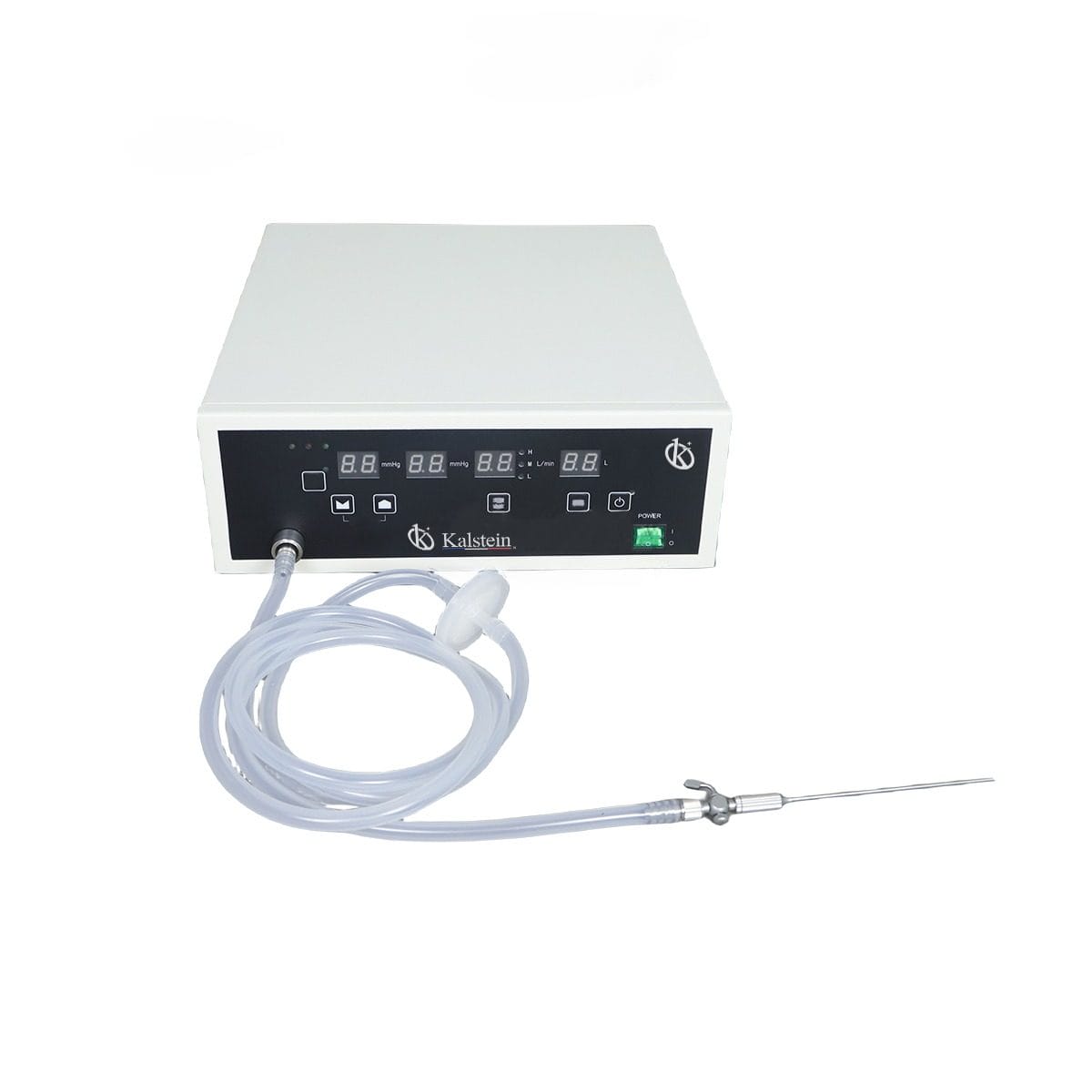
Veterinary Laparoscopy Systems: Applications and Best Practices in 2026
What is it used for in 2026
Veterinary laparoscopy systems are essential tools in modern animal surgery. They are primarily used for minimally invasive surgical procedures, allowing veterinarians to perform complex operations with reduced trauma to the patient. These systems provide enhanced visualization and access to internal organs, making diagnoses and surgical interventions more efficient. In 2026, the applications include spaying and neutering, biopsies, exploratory surgery, and various laparoscopic techniques aimed at improving the overall health and recovery of animals.
History and evolution of the technology
The evolution of veterinary laparoscopy has transformed the way surgeries are performed on animals. Initially, veterinary surgeries were highly invasive, requiring large incisions and extended recovery times. Over the years, advancements in camera technology, light sources, and insufflation systems have led to the development of veterinary laparoscopy systems that enable procedures with minimal incisions. The introduction of high-definition imaging and CO2 insufflators has further enhanced surgical precision and safety.
How to use it step by step
Using a veterinary laparoscopy system involves several key steps:
- Preparation: Ensure the animal is properly anesthetized and positioned. Sterilize the surgical area and equipment.
- Setup: Connect the camera, light source, and insufflator. Verify all connections and settings.
- Insufflation: Use the CO2 insufflator to create a working space in the abdominal cavity, allowing better visibility and access.
- Visualization: Insert the laparoscope and obtain clear images of the surgical field on the monitor.
- Surgery: Perform the necessary surgical procedures using specialized laparoscopic instruments.
- Closure: Remove instruments and laparoscope, deflate the cavity, and close the incision appropriately.
Best techniques and protocols
To maximize the effectiveness of veterinary laparoscopy, practitioners should adhere to the following techniques and protocols:
- Use high-definition cameras for better visualization.
- Maintain carbon dioxide levels within recommended ranges during insufflation.
- Employ a gentle approach to tissue manipulation to minimize trauma.
- Follow sterile techniques throughout the procedure.
- Ensure proper training and familiarity with the equipment and instruments.
Practical applications by laboratory type
Veterinary laparoscopy systems have diverse applications across various laboratory types:
- Research Laboratories: Used for studying animal physiology and conducting experimental surgeries.
- Clinical Veterinary Practices: Commonly employed in routine surgical procedures and diagnostics.
- Teaching Institutions: Serve as educational tools for veterinary students learning surgical techniques.
Regulations, standards and certifications
Veterinary laparoscopy systems must comply with specific regulations and standards to ensure safety and efficacy:
- ISO certifications for medical devices.
- Compliance with veterinary practice regulations set by local and national authorities.
- Regular inspection and maintenance protocols to ensure operational safety.
Comparison with alternative technologies
While veterinary laparoscopy offers numerous advantages, it is important to consider alternative technologies:
- Open surgeries, while more invasive, may be necessary for complex cases.
- Ultrasound and radiography can provide diagnostic information but cannot replace surgical intervention.
Comparison of available models
| Model | Best for | Key specs | Recommended use case |
|---|---|---|---|
| YR06157 | Small animal procedures | Flow: 4L/min, 6L/min, 10L/min; Pressure: 0.67kPa~3.30kPa | Ideal for laparoscopic surgeries requiring precise CO2 insufflation. |
| YR06156 | High-definition imaging | Resolution: 1920*1080; Illumination: ≥700,000 Lux | Best suited for detailed visualization during surgical procedures. |
| YR06158 | Versatile insufflation | Flow: 2L/min-40L/min; Noise: ≤50dB(A) | Perfect for creating a stable CO2 environment for various surgical applications. |
Common mistakes and how to avoid them
Some common mistakes when using veterinary laparoscopy systems include:
- Improper patient positioning can lead to complications; always ensure the animal is securely placed.
- Failure to maintain sterility can introduce infections; adhere strictly to sterilization protocols.
- Inadequate knowledge of equipment can result in improper usage; ensure all operators are trained.
Maintenance, calibration and good practices 2026
Regular maintenance and calibration of veterinary laparoscopy systems are vital for optimal performance:
- Schedule periodic inspections and servicing.
- Calibrate devices according to manufacturer specifications.
- Keep equipment clean and store it properly after use.
Cost-benefit analysis 2026
Investing in veterinary laparoscopy systems can yield significant benefits:
- Reduced surgery time and recovery periods lead to increased patient turnover.
- Minimally invasive procedures often result in lower complication rates.
- High-quality imaging enhances diagnostic capabilities and surgical outcomes.
Frequently asked questions
What are the benefits of using laparoscopy in veterinary practice?
Laparoscopy allows for minimally invasive surgeries, leading to quicker recovery times, less pain, and reduced risk of complications compared to traditional open surgeries.
How do I choose the right laparoscopy system for my practice?
Consider the types of procedures you frequently perform, the size of animals you treat, and the specific features of each system, such as imaging quality and insufflation capacity.
What training is necessary for using a veterinary laparoscopy system?
Veterinarians should undergo specialized training on laparoscopy techniques, equipment operation, and patient handling to ensure safety and efficacy during procedures.
How often should I perform maintenance on my laparoscopy equipment?
Regular maintenance should be conducted according to the manufacturer's guidelines, with professional servicing at least once a year to ensure all functions are operating correctly.
Can laparoscopy be used for all types of surgical procedures?
While laparoscopy is suitable for many surgical procedures, some complex cases may still require traditional open surgery based on the specific needs of the animal.
What are the key considerations for setting up a laparoscopy procedure?
Key considerations include ensuring proper anesthetic protocols, maintaining sterility, and having all necessary equipment and instruments readily available before starting the procedure.
Is there a significant cost associated with investing in laparoscopy technology?
While the initial investment can be high, the long-term benefits such as improved surgical outcomes, reduced recovery times, and increased patient throughput often justify the cost.
If you are looking for a fusion of innovation and quality, you have come to the right place. At Kalstein, we offer you the luxury of exploring our exclusive catalog of laboratory equipment. We manufacture every device to the highest standards of excellence. Our intuitive and seamless online purchasing channels are designed for your convenience, securing the most competitive prices. Hesitate no longer — we bring science to life, it is time to become part of our community.