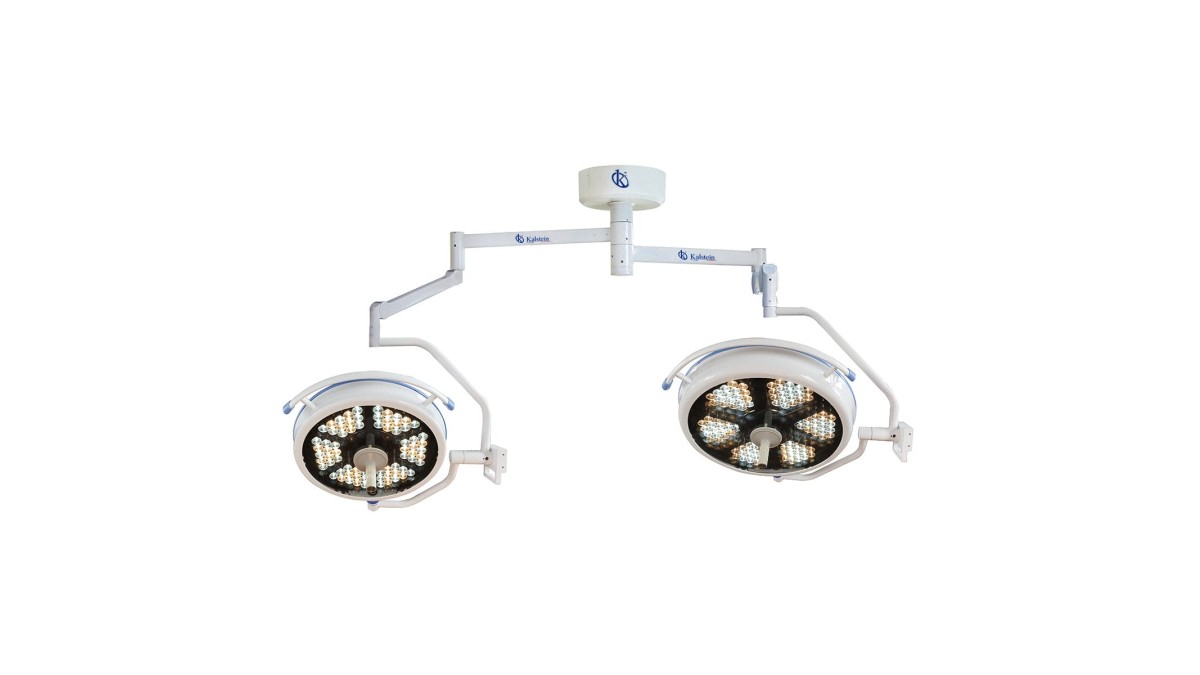
Veterinary Operating Lamps: Practical Applications and Techniques 2026
Veterinary operating lamps play a crucial role in providing the essential illumination needed for surgical and medical procedures in veterinary practices. As technology evolves, these lamps have become more efficient and versatile, making them indispensable in modern veterinary medicine. In this article, we will explore how to use these lamps effectively, the best practices for their application, and a detailed comparison of several models available in 2026.
What is it used for in 2026
In 2026, veterinary operating lamps are primarily used for surgical lighting, enabling veterinarians to perform intricate procedures with precision. These lamps ensure that the surgical site is illuminated adequately, allowing for accurate diagnoses and improved surgical outcomes. They are utilized in various procedures, including orthopedic surgeries, soft tissue surgeries, and emergency interventions. The advanced features of modern veterinary operating lamps also allow for color temperature adjustments, enhancing visibility and reducing eye strain for veterinary professionals.
History and evolution of the technology
The technology behind veterinary operating lamps has evolved significantly over the years. Early surgical lights relied on incandescent bulbs, which produced significant heat and consumed a lot of energy. With the advent of LED technology, veterinary operating lamps have transitioned to more efficient and cooler light sources. LED lamps provide better illumination, longer lifespans, and lower ongoing maintenance costs. Innovations such as shadowless lighting have further enhanced visibility in surgical settings, eliminating shadows and improving the overall surgical experience.
How to use it step by step
Using veterinary operating lamps involves several steps to ensure optimal performance:
- Setup: Position the lamp in the surgical area, ensuring it is stable and at the correct height for the procedure.
- Power On: Connect the lamp to the power source and turn it on. Adjust the brightness settings as needed.
- Adjust Color Temperature: Depending on the procedure, you may need to adjust the color temperature to enhance visibility. Refer to the lamp's manual for instructions on how to do this.
- Focus the Beam: Use the focusing mechanism to direct the light precisely where it is needed, reducing glare and shadows.
- Monitor Light Output: Check the light output regularly during the procedure to ensure it remains optimal. Adjust brightness and focus as necessary.
- Power Off: After the procedure, turn off the lamp and disconnect it from the power source if not in use.
Best techniques and protocols
To maximize the effectiveness of veterinary operating lamps, follow these best techniques and protocols:
- Ensure regular maintenance and cleaning of the lamp to prevent dust accumulation, which can affect light quality.
- Utilize the lamp's adjustable features to cater to different types of surgeries and preferences of the veterinary staff.
- Train staff on the correct use of the lamps and their various functions for consistent application in surgical settings.
- Incorporate pre-surgery checks to confirm that the lamp is functioning correctly and that all settings are optimized for the procedure.
Practical applications by laboratory type
Veterinary operating lamps are utilized in various laboratory settings, including:
- Small Animal Clinics: For routine surgeries and examinations, ensuring proper lighting to enhance visibility.
- Large Animal Hospitals: To facilitate surgeries for larger animals, where efficient and adjustable lighting is crucial.
- Research Facilities: In laboratories conducting studies on animal health, providing the necessary illumination for detailed observations.
Regulations, standards and certifications
Veterinary operating lamps must comply with specific regulations and standards to ensure safety and effectiveness. These may include:
- ISO 13485 for medical devices quality management systems.
- IEC 60601 for medical electrical equipment safety.
- Local health and safety regulations that govern medical equipment usage in veterinary practices.
Comparison with alternative technologies
Comparing veterinary operating lamps with traditional lighting solutions reveals significant advantages:
- LED vs. Incandescent: LEDs offer longer life, lower heat output, and better energy efficiency compared to incandescent bulbs.
- Shadowless vs. Traditional: Shadowless lamps provide uniform lighting, reducing shadows that could obscure the surgical field.
Comparison of available models
| Model | Best for | Key specs | Recommended use case |
|---|---|---|---|
| YR06115 | Complex surgeries | Illuminance: ≥160,000 Lux, Color Temp: 3800±500K to 5000±500K | Best for neurosurgery and thoracic surgery due to high depth of illumination. |
| YR06116 | General surgeries | Illuminance: 160,000 Lux, Lifespan: 60,000 hours | Ideal for routine surgical procedures and examinations. |
| YR06117 | Ceiling-mounted applications | Illuminance: 40000~160000 Lux, Color Temp: 3000~6700K | Best for operating rooms requiring flexible light positioning. |
| YR06118 | Wall-mounted applications | Illuminance: 40000~160000 Lux, Color Temp: 3000~6700K | Ideal for clinics with space constraints requiring wall-mounted solutions. |
| YR06119 | Minor surgeries | Illuminance: ≥100,000 Lux, Lifespan: ≥30,000 hours | Best for procedures needing reliable lighting without excessive heat. |
| YR06120 | Deep illumination needs | Illuminance: ≥50000 Lux, Color Temp: 4800±200K | Recommended for surgeries requiring prolonged deep lighting. |
Common mistakes and how to avoid them
When using veterinary operating lamps, common mistakes can hinder their effectiveness:
- Improper positioning: Ensure lamps are positioned correctly to avoid shadows.
- Neglecting maintenance: Regular checks and cleaning are essential for optimal performance.
- Ignoring settings: Always adjust light settings according to the specific surgical procedure.
Maintenance, calibration and good practices 2026
Effective maintenance and calibration of veterinary operating lamps involve:
- Regularly cleaning the lamp and lenses to remove dust and grime.
- Conducting routine inspections to check for any signs of wear or malfunction.
- Keeping a maintenance log to track any repairs or replacements needed.
Cost-benefit analysis 2026
When evaluating the cost-benefit of veterinary operating lamps, consider the following:
- Initial investment: Analyze the purchase cost vs. the expected lifespan and energy savings.
- Operational savings: LEDs typically offer lower operating costs due to reduced energy consumption.
- Improved outcomes: Quality lighting can lead to better surgical outcomes and overall patient care.
Frequently asked questions
What should I consider when choosing a veterinary operating lamp?
Consider factors such as brightness, color temperature adjustment options, and the type of mounting (ceiling, wall, or mobile) that best suits your surgical environment.
How often should I perform maintenance on my operating lamp?
Regular maintenance should be performed at least every six months, including cleaning and checking for any necessary repairs or adjustments.
Can I use LED lamps for all types of surgeries?
Yes, LED lamps are versatile and can be used for various surgeries, but ensure they provide adequate illumination for specific procedures.
How do I adjust the brightness and color temperature on my lamp?
Refer to the user manual for specific instructions; most modern lamps will have a control panel or remote for adjustments.
What are the advantages of shadowless lamps over traditional lamps?
Shadowless lamps provide uniform lighting without shadows, which is crucial for precision in surgical procedures, enhancing visibility significantly.
Is there a specific training needed for using these lamps?
While no formal training is required, staff should be trained on the lamp's features and proper usage to maximize effectiveness.
How can I get a quote for a veterinary operating lamp?
Please request a quote on our platform for competitive pricing and further assistance.
If you are looking for a fusion of innovation and quality, you have come to the right place. At Kalstein, we offer you the luxury of exploring our exclusive catalog of laboratory equipment. We manufacture every device to the highest standards of excellence. Our intuitive and seamless online purchasing channels are designed for your convenience, securing the most competitive prices. Hesitate no longer — we bring science to life, it is time to become part of our community.